
MYWAY Metal Bolts – Wide Range, Great Value. Your China Fastener Manufacturer.
11+ Years Expertise | Professional Fastener Manufacturer | Standard & Custom Parts | DIN, ISO, ANSI Certified | Strong R&D | Ample Stock | Cost-Effective |
Professional Team | Serving 40+ Countries | Reliable Logistics
Hex Bolts
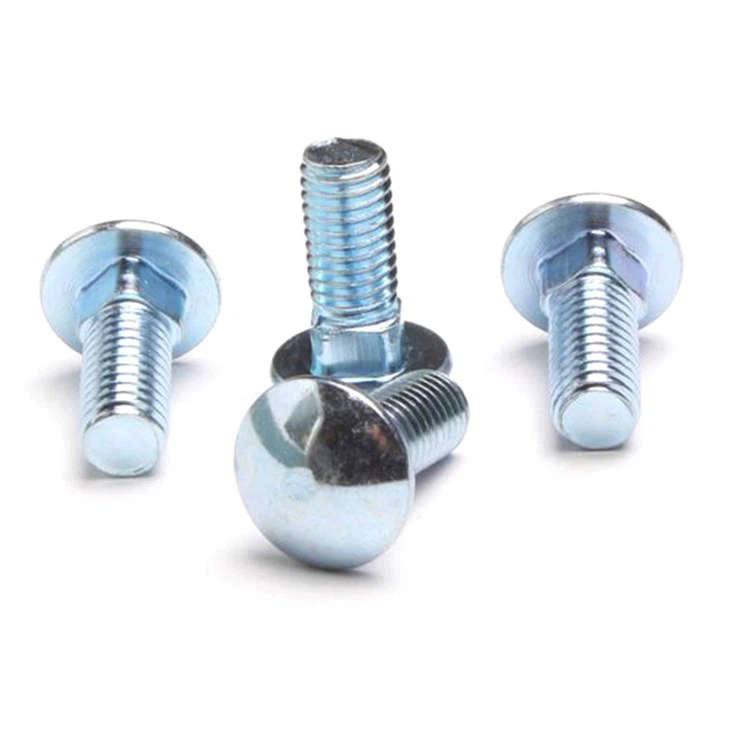
Carriage Bolt DIN933 Blue White Zinc/Bright Znic/Clear Zinc
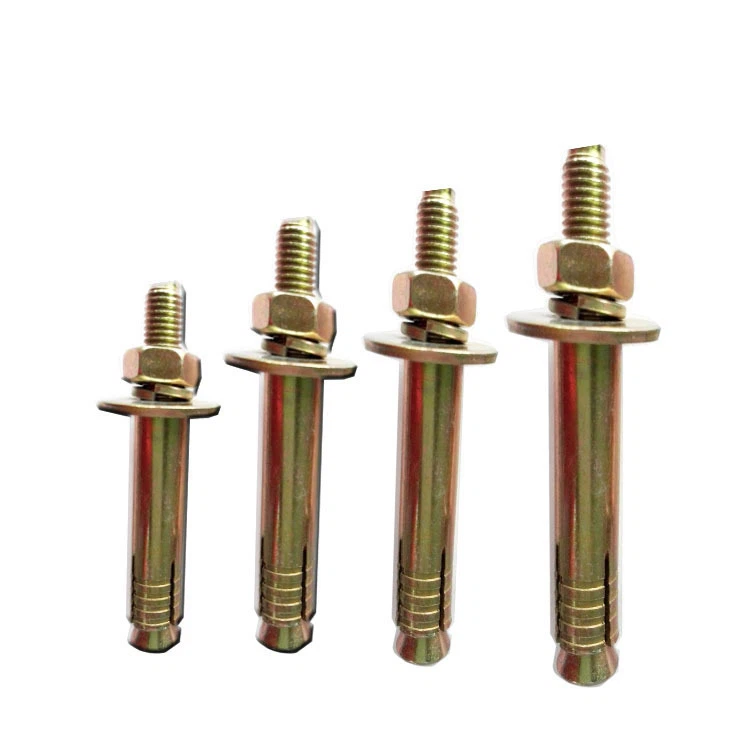
Elevator Expansion Bolts Color Zinc/Colour Zinc
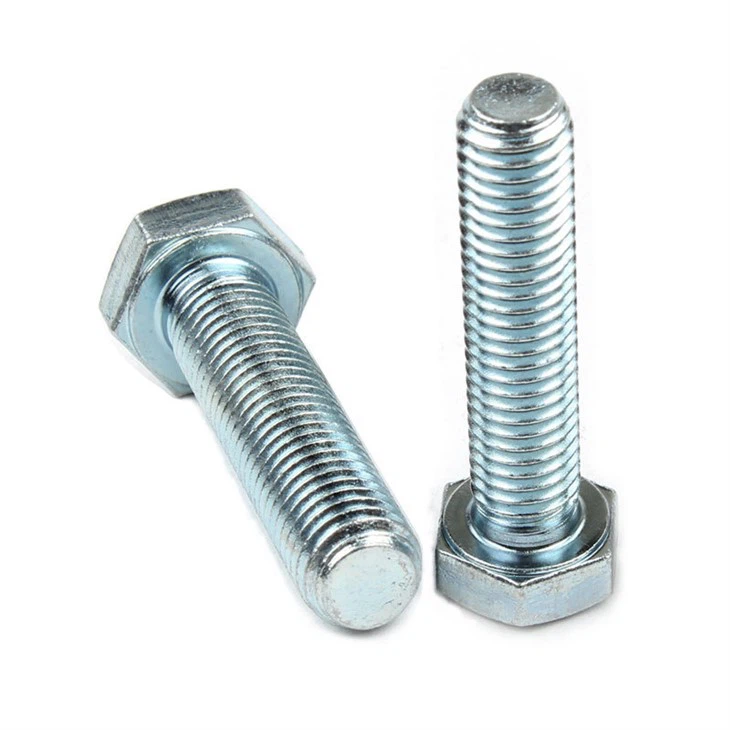
Hex Bolt GB5783 Grade 8.8
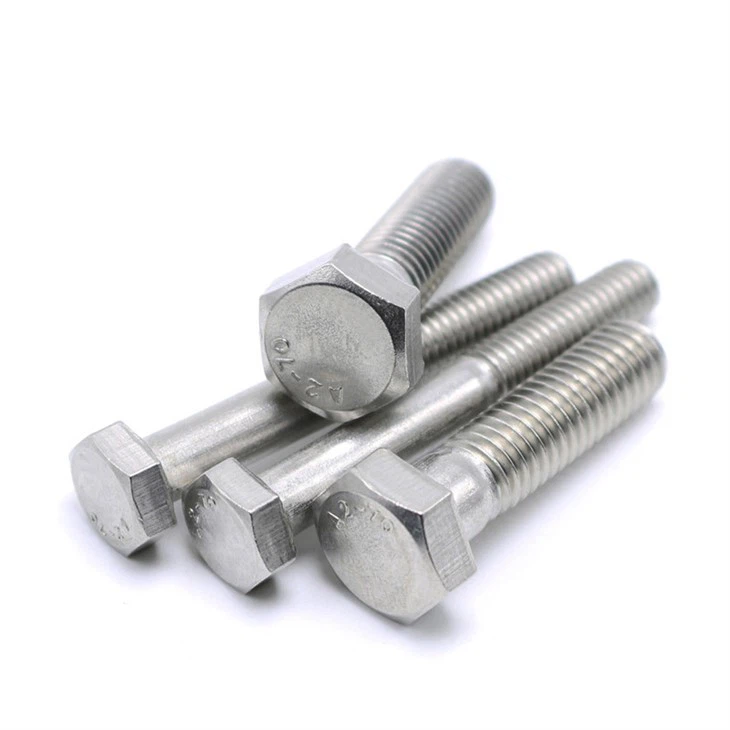
Hex Half Thread Bolt DIN931 ASME B18.2.1 M8x20 SS316/316 Stainless Steel
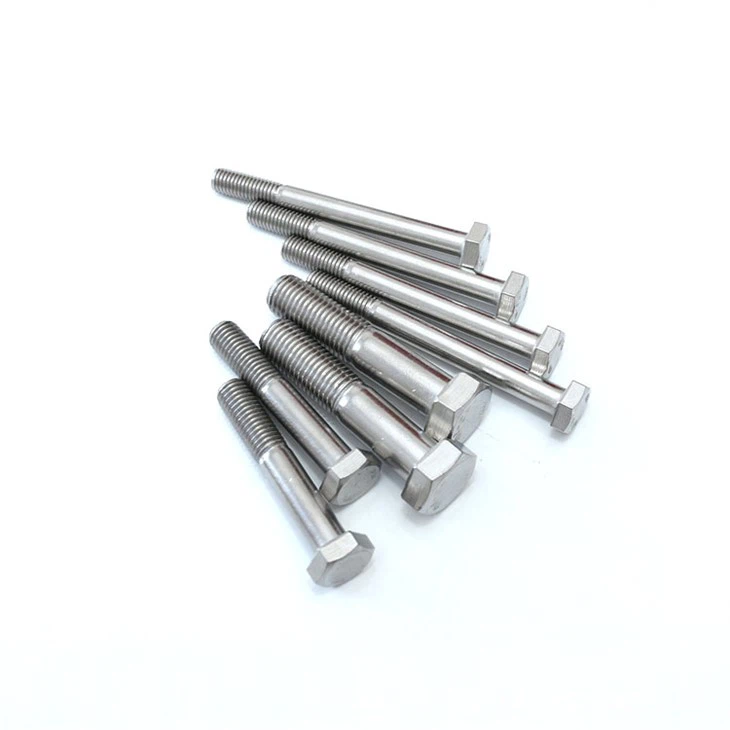
Hex Half Thread Bolt DIN931 ASME B18.2.1 M8x30 A4 SS316
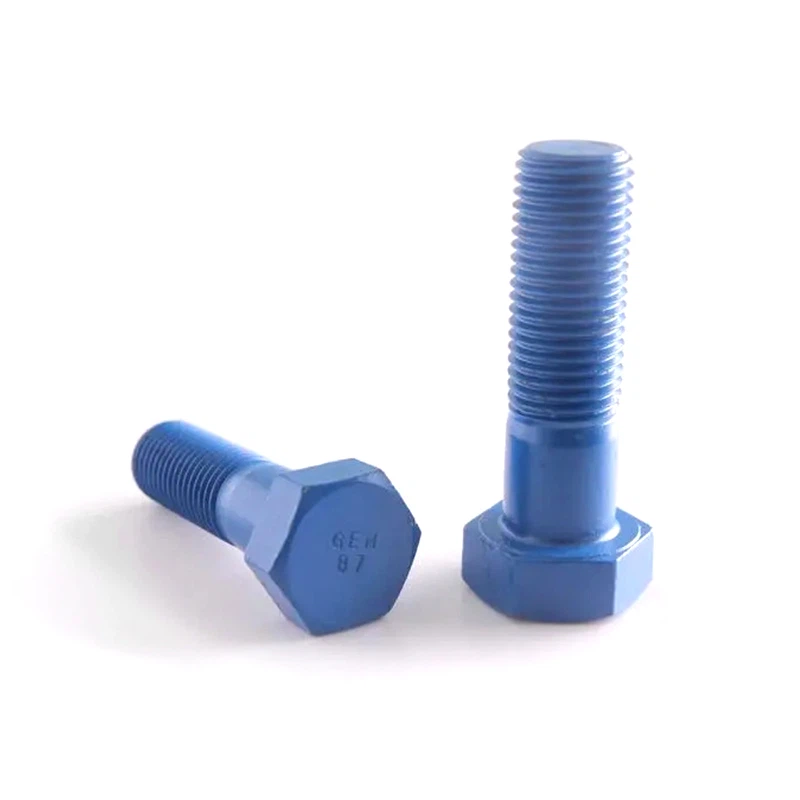
Hex Half Thread Bolt DIN931 ASME B18.2.1 M10X35 6.8 Grade Teflon/PTFE
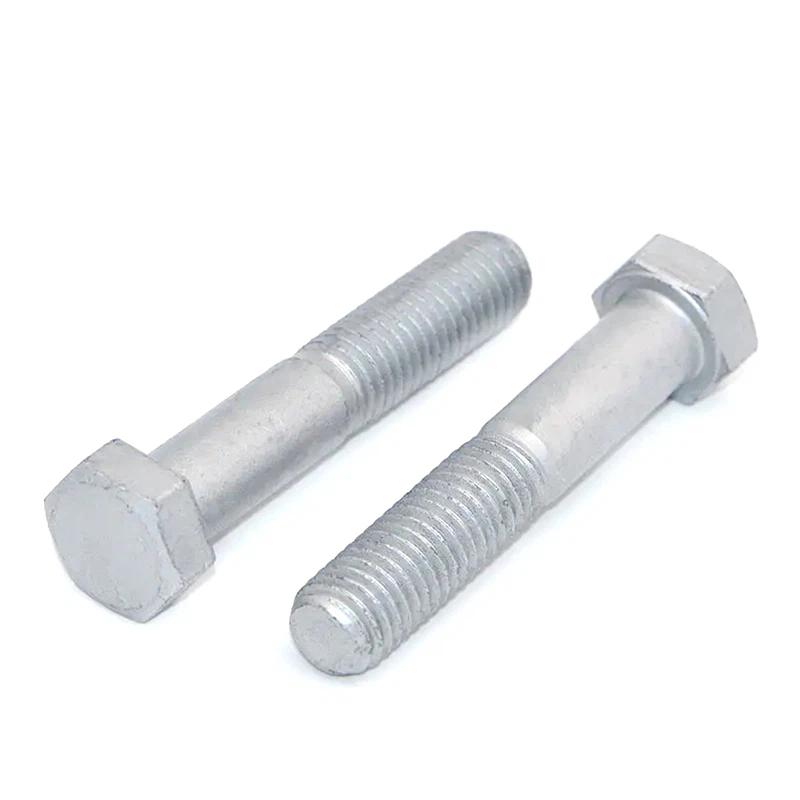
Hex Half Thread Bolt DIN931 ASME B18.2.1 M6X16 8.8 Grade Dacromet
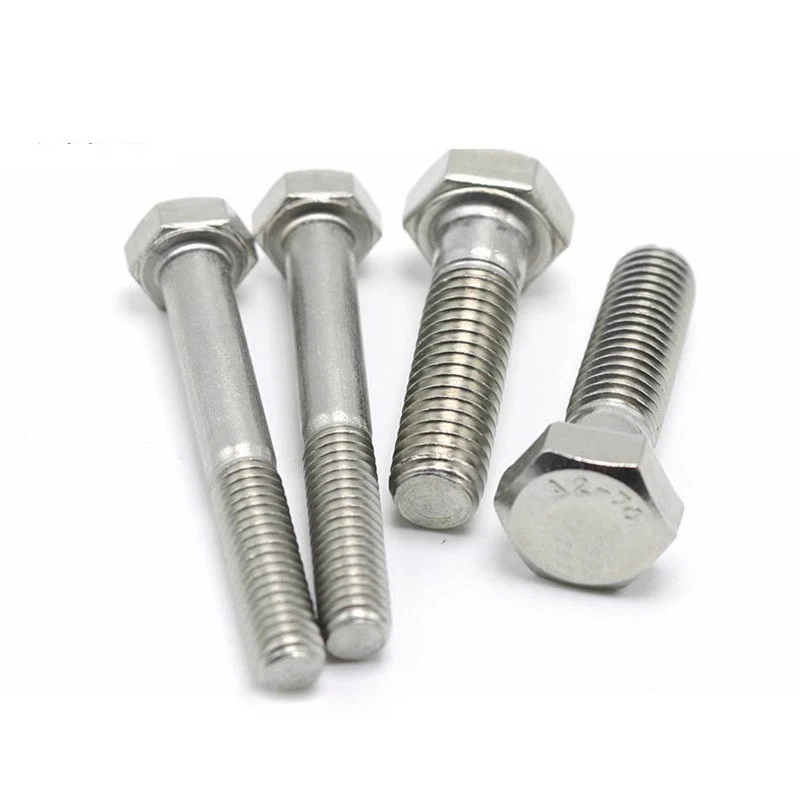
Hex Half Thread Bolt DIN931 ASME B18.2.1 M12X120 SS316/316 Stainless Steel
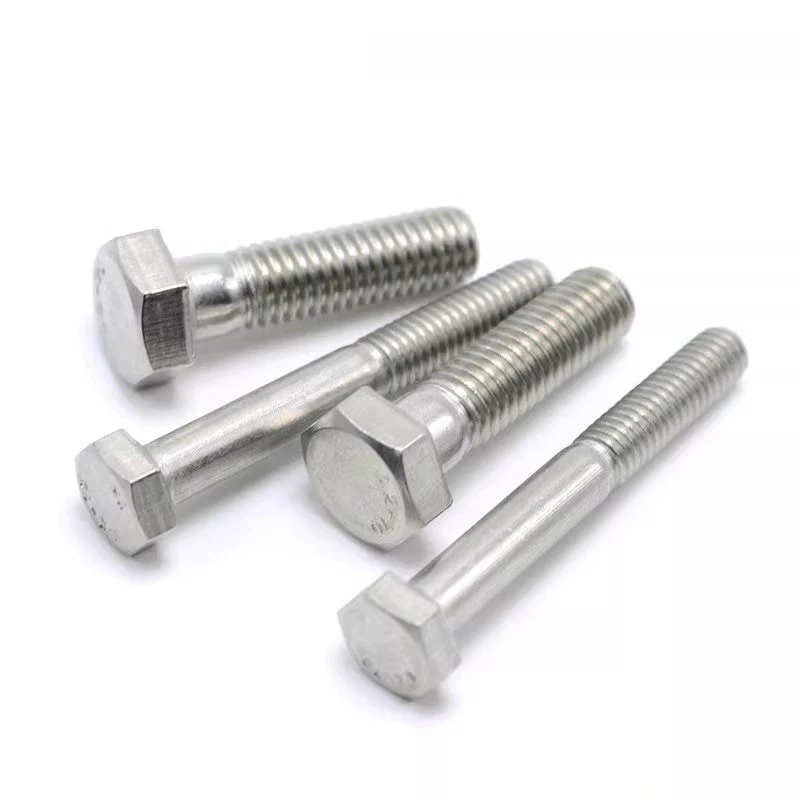
Hex Half Thread Bolt DIN931 ASME B18.2.1 M8X12 SS304/304 Stainless Steel
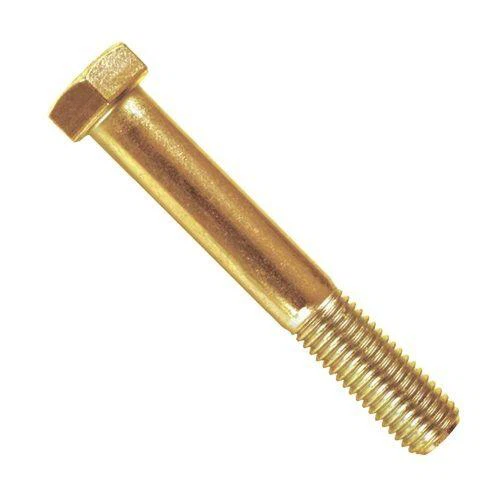
Hex Half Thread Bolt DIN931 ASME B18.2.1 M12X70 8.8 Grade Brass
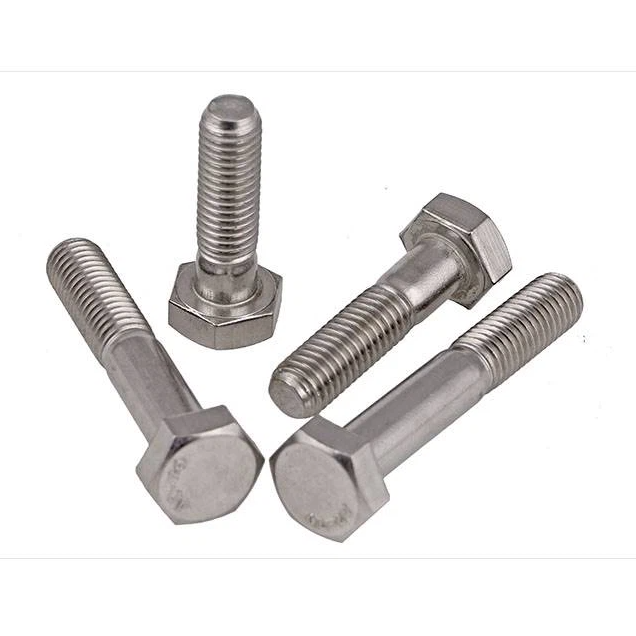
Hex Half Thread Bolt DIN931 ASME B18.2.1 M14X70 8.8 Grade Plain
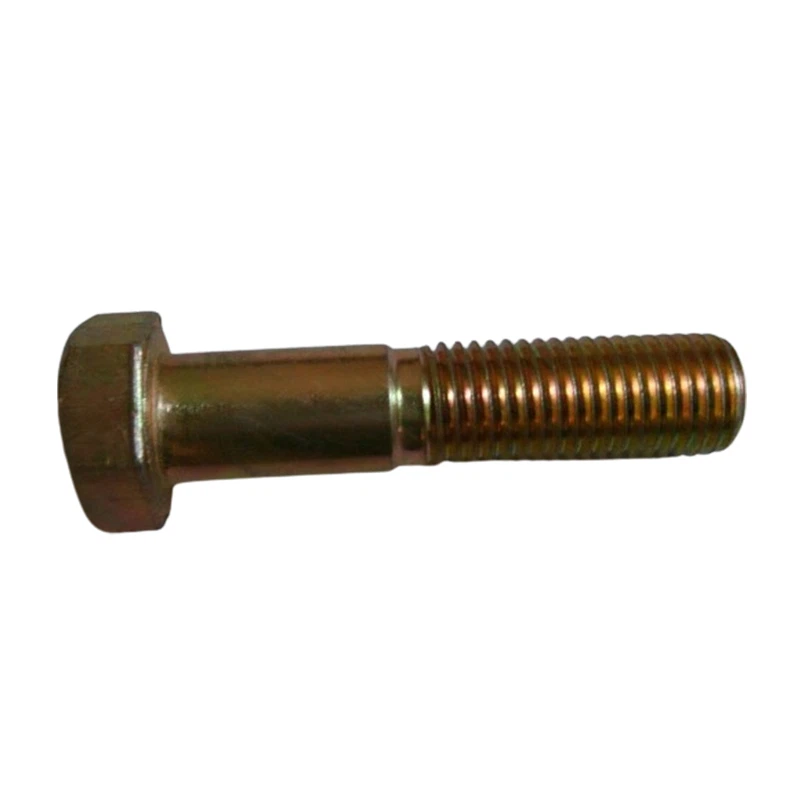
Hex Half Thread Bolt DIN931 ASME B18.2.1 M16X60 6.8 Grade Color Zinc/Colour Zinc
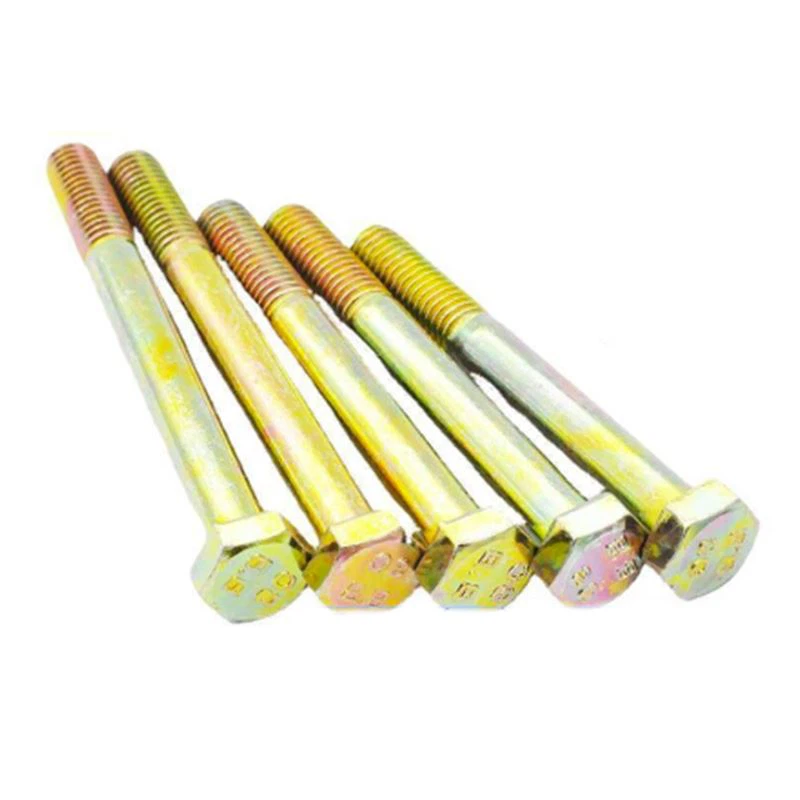
Hex Half Thread Bolt DIN931 ASME B18.2.1 M12X40 8 Grade Yellow Zinc
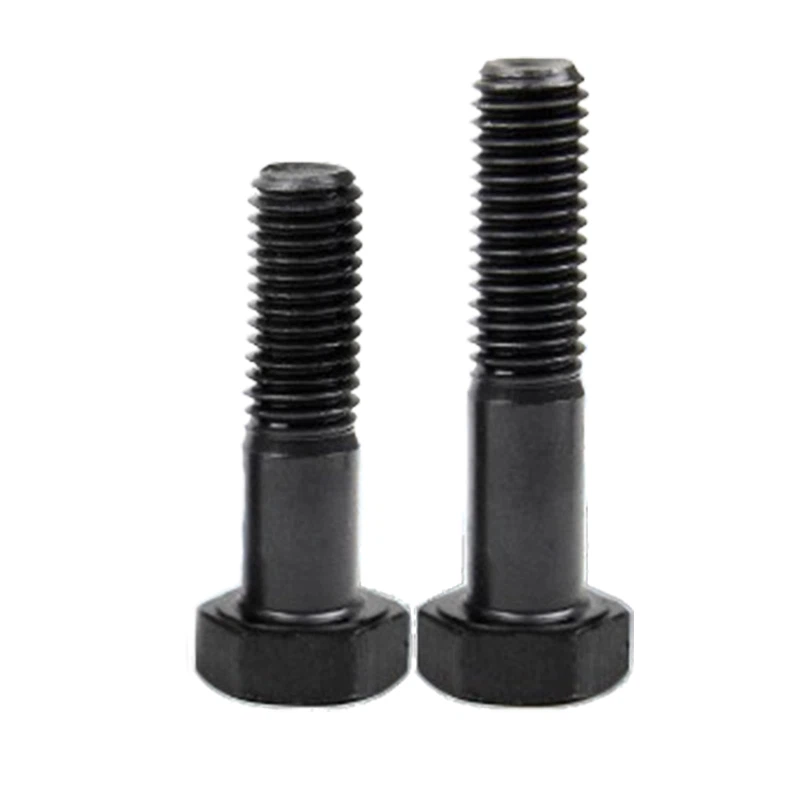
Hex Half Thread Bolt DIN931 ASME B18.2.1 M10X40 12.9 Grade Black
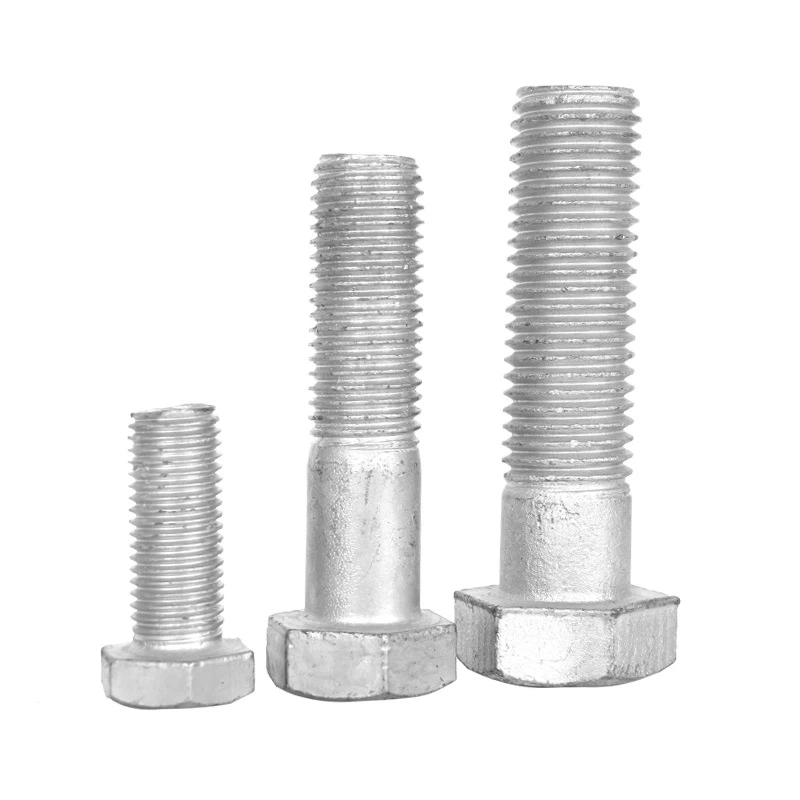
Hex Half Thread Bolt DIN931 ASME B18.2.1 M12X40 8.8 Grade HDG/Hot Dip Galvanized
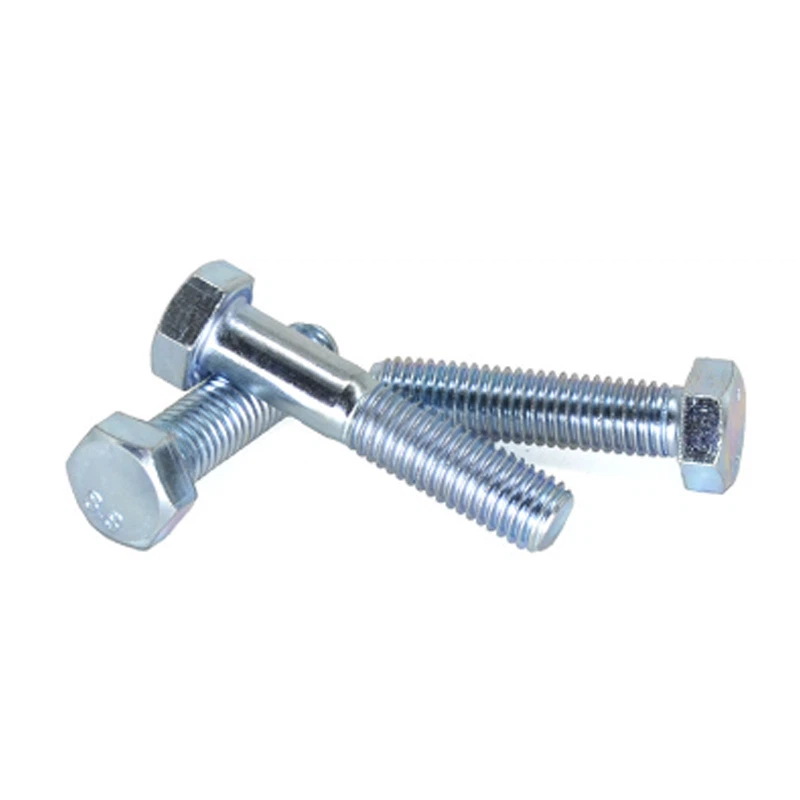
Hex Half Thread Bolt DIN931 ASME B18.2.1 M12X50 8.8 Grade Bright Zinc/Zinc Plated/Clear Zinc/Blue White Zinc
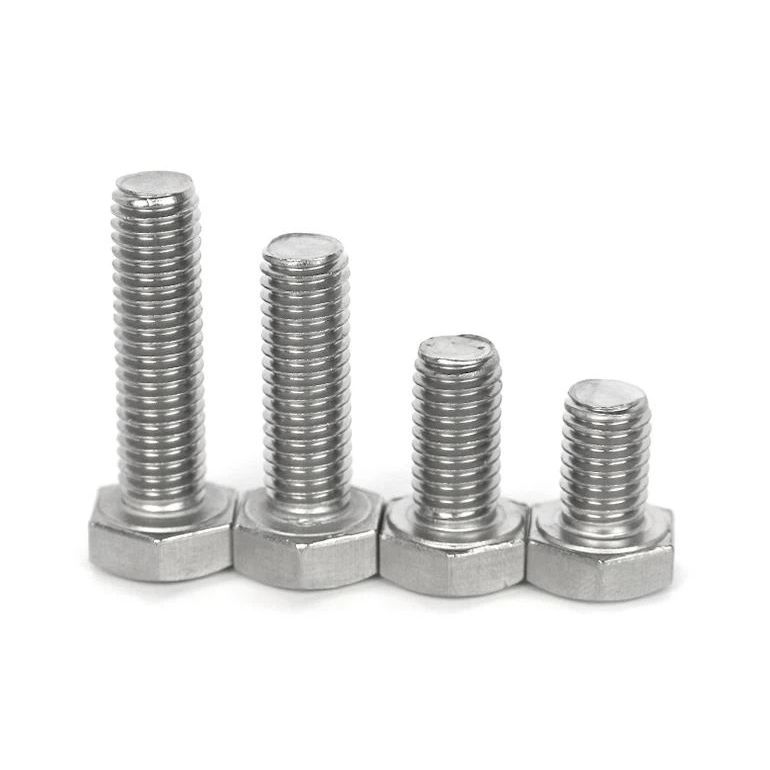
Hex Full Thread Bolt DIN933 ASME B18.2.1 M8x20 SS316/316 Stainless Steel
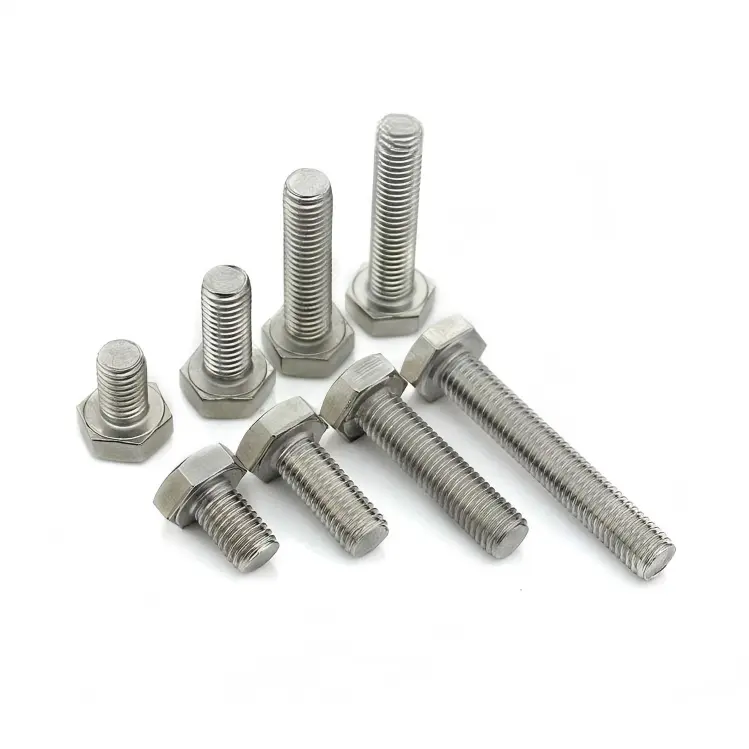
Hex Full Thread Bolt DIN933 ASME B18.2.1 M8x30 A4(ss316)
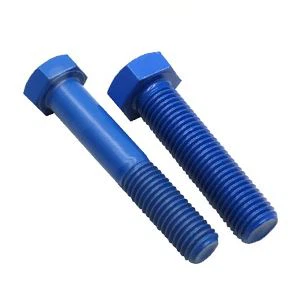
Hex Full Thread Bolt DIN933 ASME B18.2.1 M10X35 6.8 Grade Teflon/PTFE
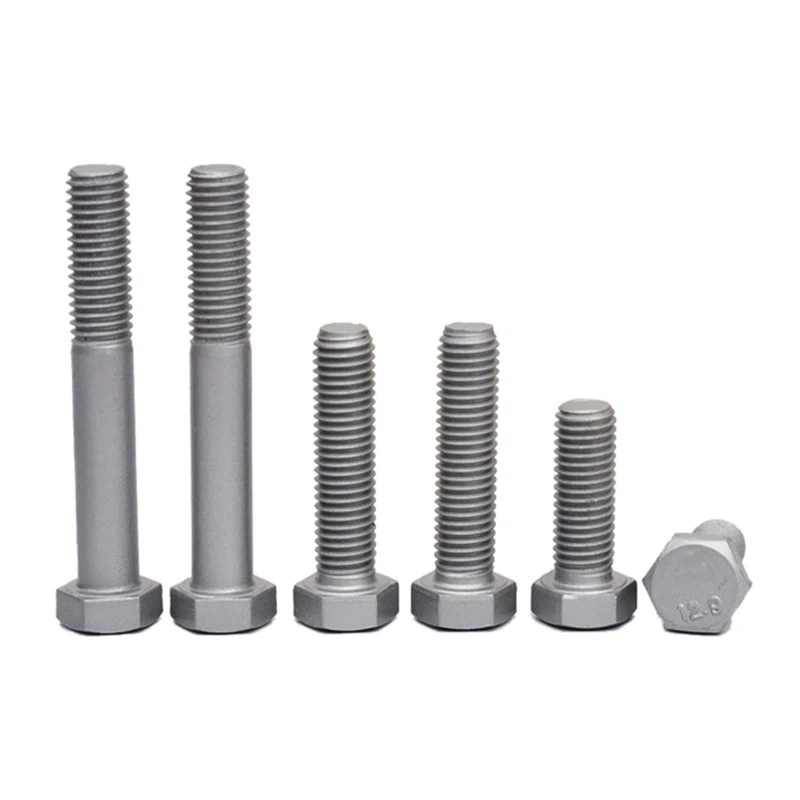
Hex Full Thread Bolt DIN933 ASME B18.2.1 M6X16 8.8 Grade Dacromet
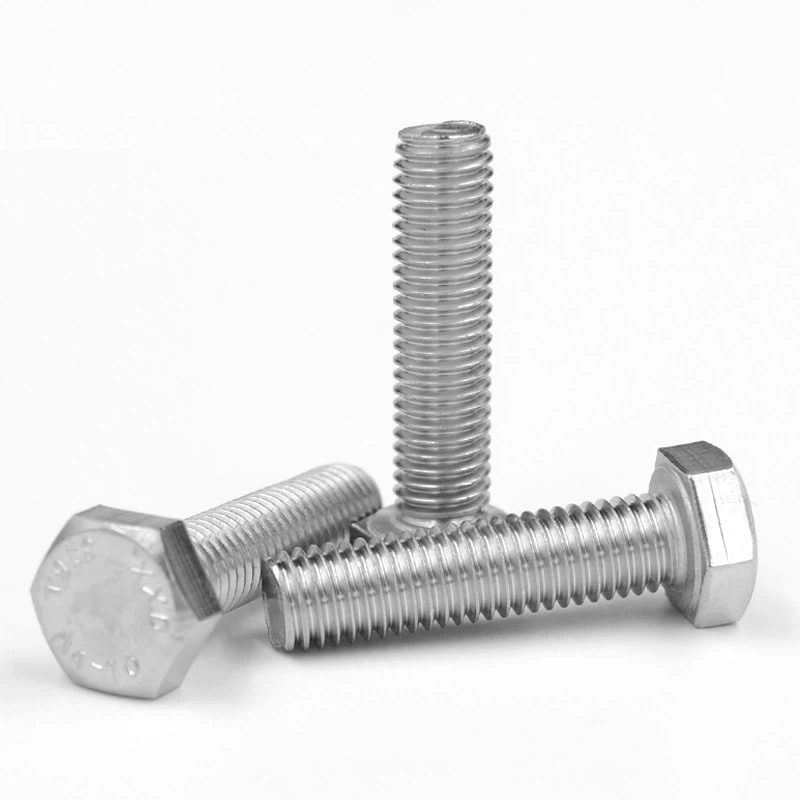
Hex Full Thread Bolt DIN933 ASME B18.2.1 M12X120 SS316/316 Stainless Steel
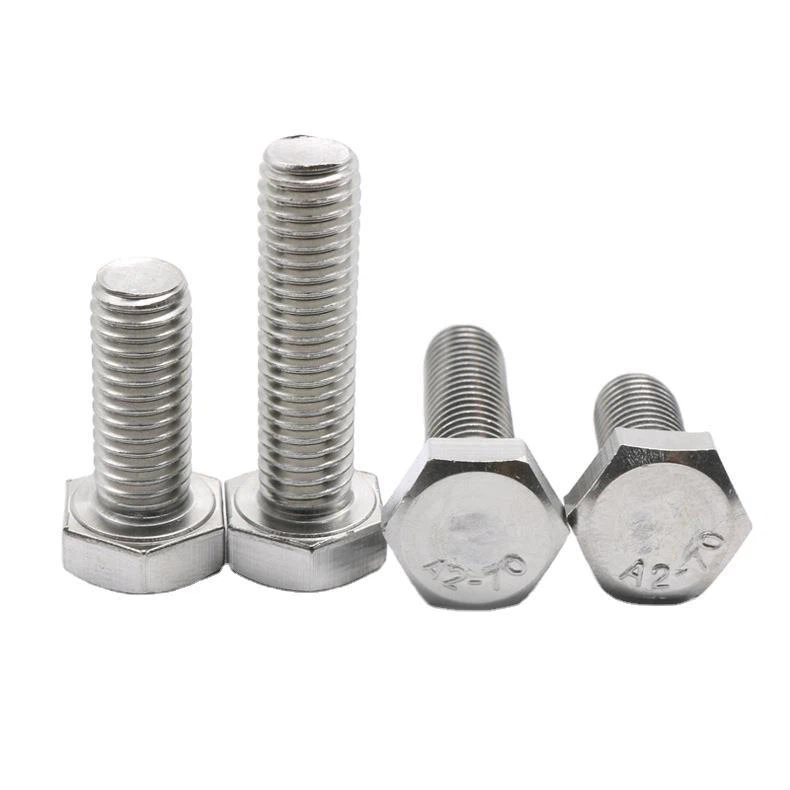
Hex Full Thread Bolt DIN933 ASME B18.2.1 M8X12 SS304/304 Stainless Steel
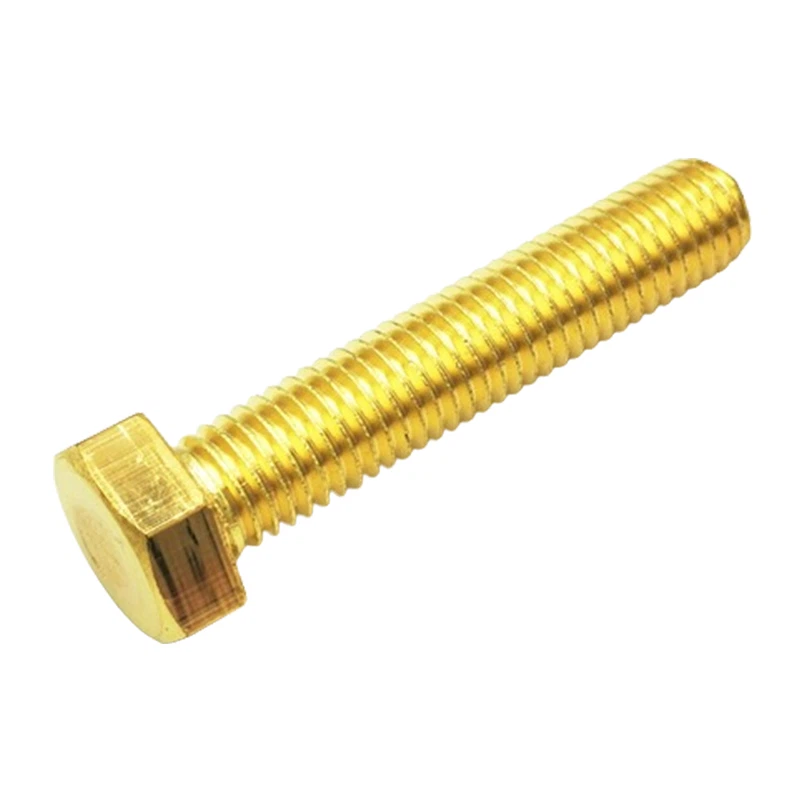
Hex Full Thread Bolt DIN933 ASME B18.2.1 M12X70 8.8 Grade Brass
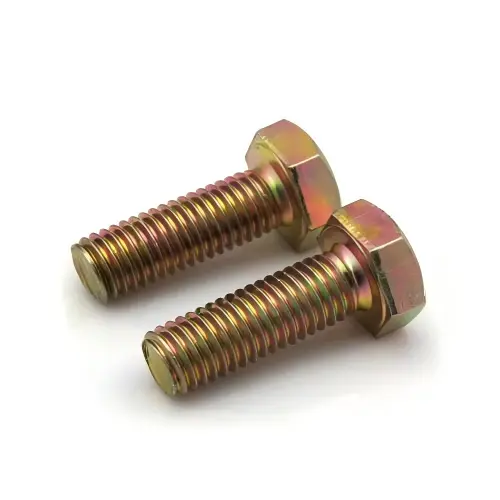
Hex Full Thread Bolt DIN933 ASME B18.2.1 M16X60 6.8 Grade Color Zinc/Colour Zinc
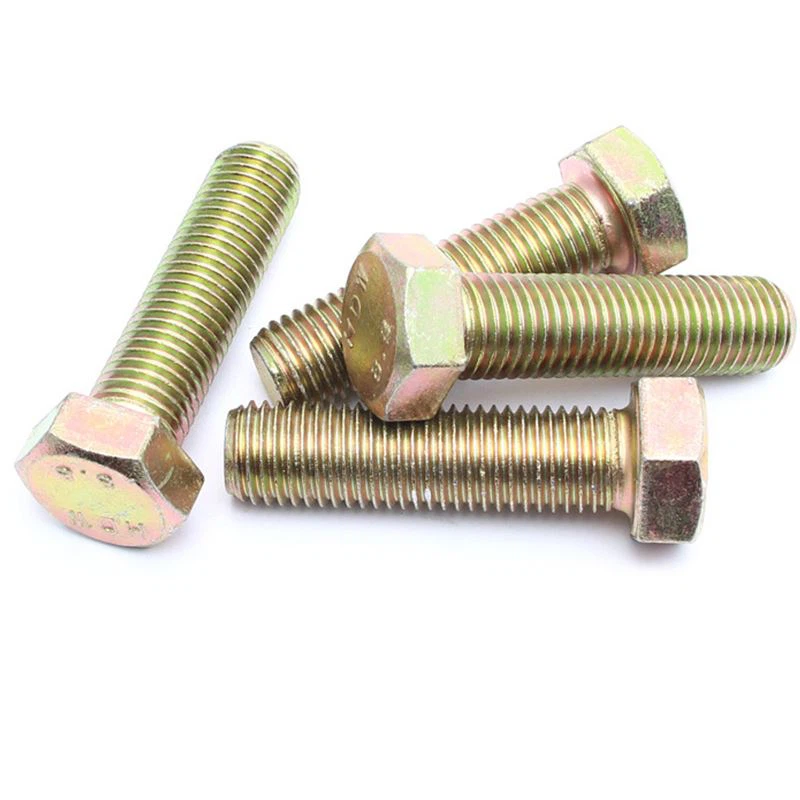
Hex Full Thread Bolt DIN933 ASME B18.2.1 M12X40 8 Grade Yellow Zinc
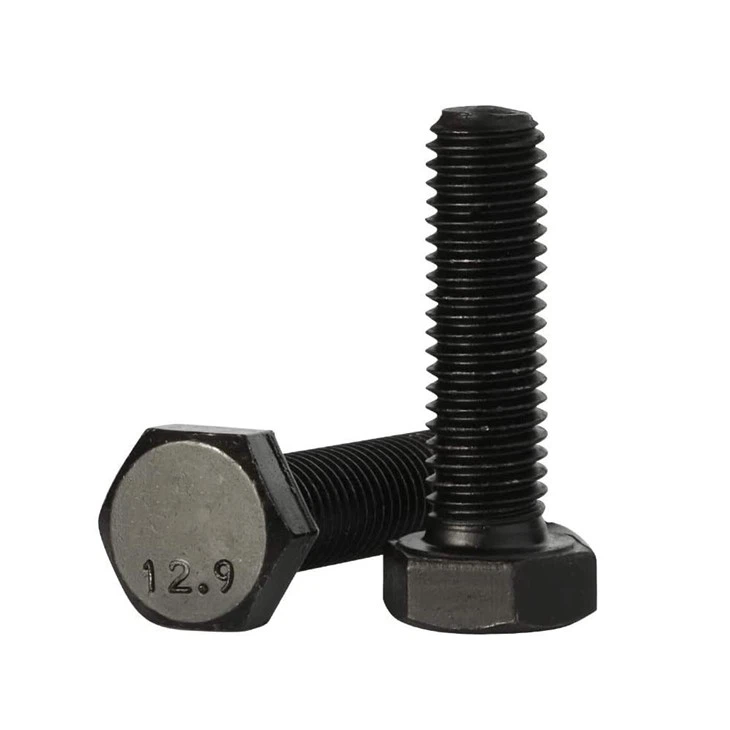
Hex Full Thread Bolt DIN933 ASME B18.2.1 M10X40 12.9 Grade Black
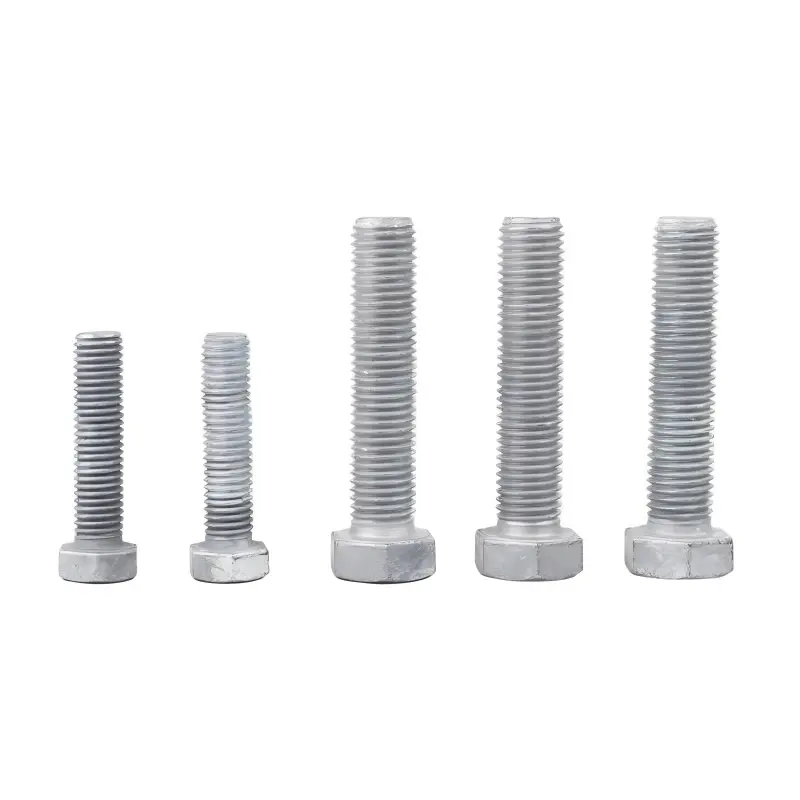
Hex Full Thread Bolt DIN933 ASME B18.2.1 M12X40 8.8 Grade HDG/Hot Dip Galvanized
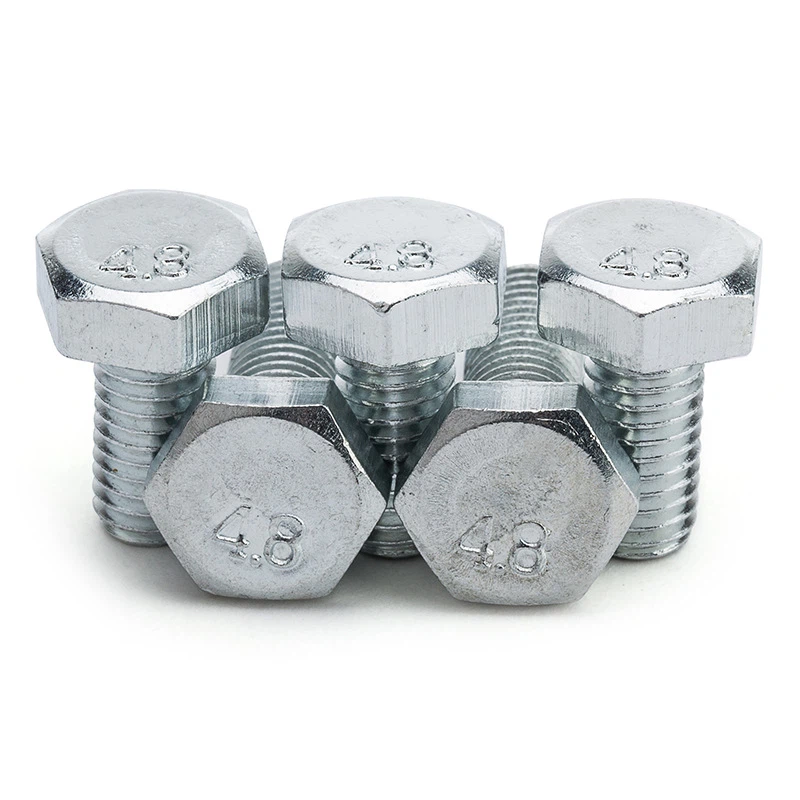
Hex Full Thread Bolt DIN933 ASME B18.2.1 M12X50 8.8 Grade Bright Zinc/Zinc Plated/Clear Zinc/Blue White Zinc
Hex bolts are composed of a head and a screw.
The head is hexagonal, and the screw has full-thread and half-thread externalthreads.lt needs to beused in conjunction with a nut to fasten and connect two belt Partswith through holes.
Standards provided: DIN,BS,ANSI/ASME/ASTM/ISO,EN,GOST etc.
Full-thread Diameter range : M1.6-M52
Half-thread Diameter range : M1.6-M160
Full-thread Length range : 2-200
Half-thread Length range : 12-500
Grades:4.8,5.8,6.8,8.8,9.8,10.9.etc
Raw Materials : Carbon steel, stainless steel, alloy steel, brass,nonferrous metals, etc
Surface Treatment:Plain, Zinc Plate, Yellow Zinc Plate, Hot Dip Galvanizing, Blackening.etc
What is Hex Bolts
Hex bolts are a type of threaded bolt, characterised by their six-sided hexagonal-shaped head. Hex bolts can be either fully threaded or partially threaded (featuring a clear shank along part of the body) and are suitable for use in a wide range of applications, typically machinery and construction. They are available in a choice of types, sizes, materials and finishes, providing the freedom and flexibility to select the bolt best suited to your particular task or application. Hex bolts are sometimes also known as hex head bolts or hexagon bolts, again due to their distinctive head shape.
Advantages of Hex Bolts
High torque capacity: Hex bolts, with their six-sided heads, provide a larger contact area for wrenches or socket tools. This design allows for higher torque application and better grip during installation and removal.
Versatility: Hex bolts come in various sizes and materials, making them suitable for a wide range of applications, from construction and machinery to automotive and industrial settings.
Secure fastening: When properly tightened with the appropriate tools, hex bolts offer reliable and secure fastening, reducing the risk of loosening or vibration-related failures.
Durable: Hex bolts are available in a variety of materials, including steel, stainless steel, and more, allowing for options that resist corrosion and provide long-term durability.
Standardized sizing: Hex bolts conform to industry standards, ensuring compatibility with a wide range of nuts, washers, and other hardware components.
Why Choose US
Our Factory
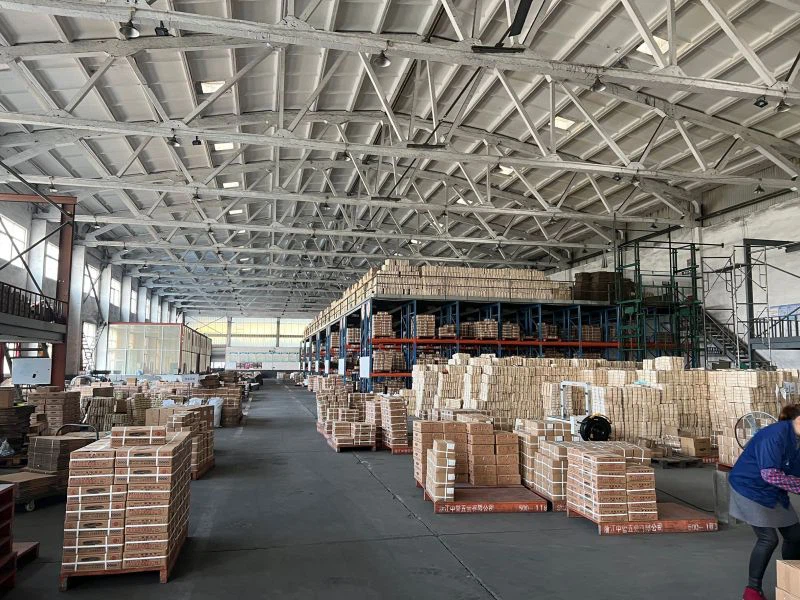
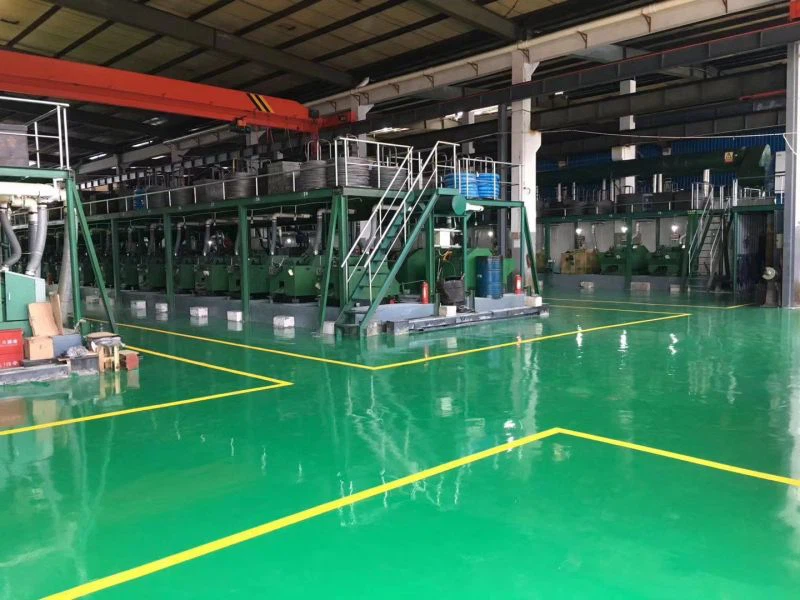
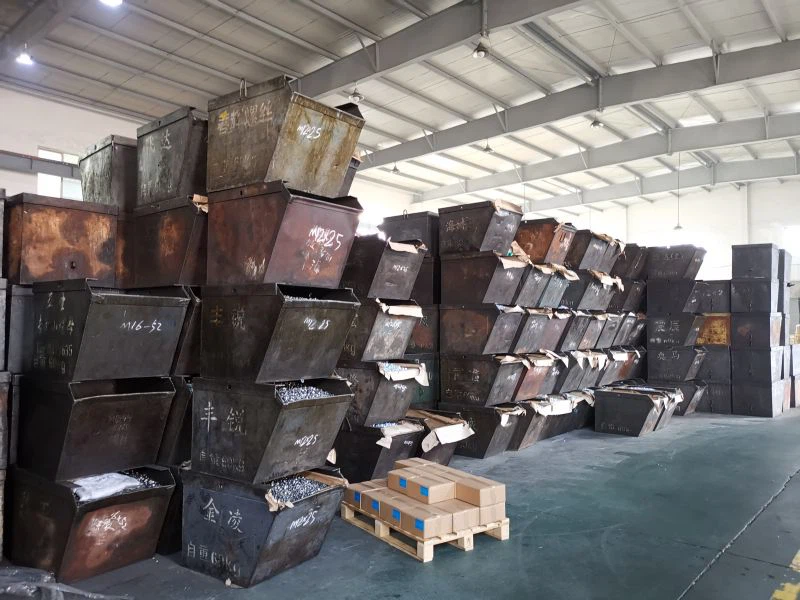
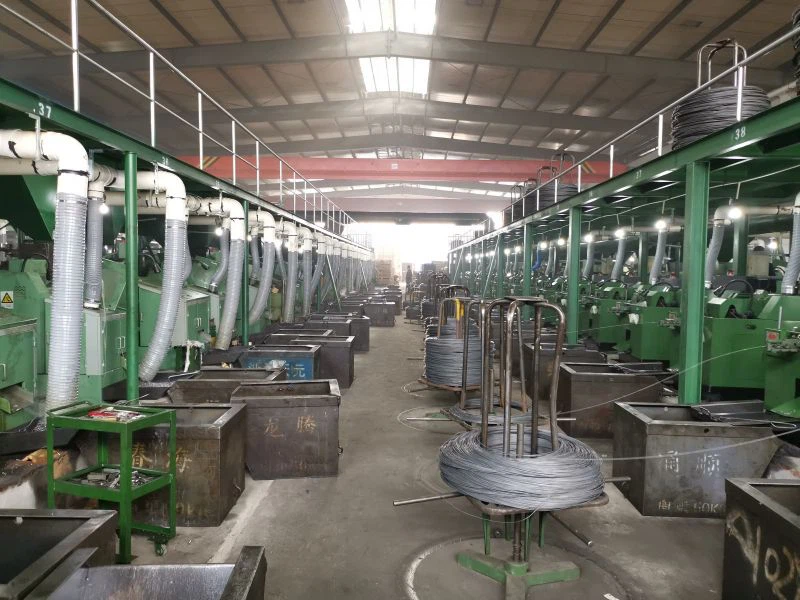
Zhejiang Myway Co.,Ltd started in 2005, Main producing fastener products. With the continuous development of business, the company invested in tool products. Established Zhejiang Myway Co., Ltd in 2015 with a registered capital of 50 million R M B.
Our Product
The company is located in Jiaxing, Zhejiang. At present, it has 3 factories and hundreds of cooperative factories, so that our products can meet the needs of different customers. The current products cover fasteners, hand tools, power tools, hydraulic tools, pump valves and other auto parts and mechanical products. The products have involved steel, machine tools, textiles, chemicals, mining, electric power, machinery manufacturing and other industries.
Professional Team
The company has a professional sales team of nearly 50 people, providing customers with high-quality and comprehensive services before, during and after sales, and can provide standardized products and customized solutions at the same time.
Our Service
In order to provide customers with worry-free service, we listen to customers’ ideas wholeheartedly, and provide customers with a full range of services from product development, quality control, order follow-up and after-sales service.
Types of Hex Bolts
Hex Bolt Types Depending on Bolt Materials
Hex bolts are manufactured using a variety of materials to suit different applications and environments. The choice of material depends on factors such as strength requirements, corrosion resistance, temperature conditions, and the specific industry in which the hex bolts will be used. Here are some common materials used for hex bolts
Carbon steel hex bolts
Carbon steel hex bolts or simply steel hex bolts are widely used due to their affordability and general-purpose characteristics. They come in various grades, such as grade 2, grade 5, and grade 8, each with increasing levels of tensile strength. Carbon steel bolts are suitable for non-corrosive environments and applications where moderate strength is sufficient.
Stainless steel hex bolts
Stainless steel hex bolts are popular for their excellent corrosion resistance. They are particularly useful in outdoor, marine, and food-related applications where exposure to moisture and harsh conditions is a concern. Common stainless steel grades used for hex bolts include 18-8 (or 304), 316, and 316l.
Alloy steel hex bolts
Alloy steel hex bolts are alloyed with additional elements to enhance their mechanical properties, such as strength and hardness. These bolts are used in applications that require high tensile strength and resistance to wear and abrasion. Grades such as astm a193 b7 and astm a325 are examples of alloy steel bolts used in structural and heavy-duty applications.
Brass hex bolts
Brass hex bolts offer corrosion resistance, good electrical conductivity, and an attractive appearance. They are often used in decorative applications, electronics, and plumbing, where corrosion prevention and aesthetics are important.
Bronze hex bolts
Bronze hex bolts are valued for their corrosion resistance, particularly in marine environments. They are used in applications where high strength and resistance to saltwater corrosion are necessary.
Titanium hex bolts
Titanium hex bolts are lightweight, strong, and corrosion-resistant. They are used in applications where weight reduction, high strength, and resistance to chemical environments are critical, such as aerospace and medical equipment.
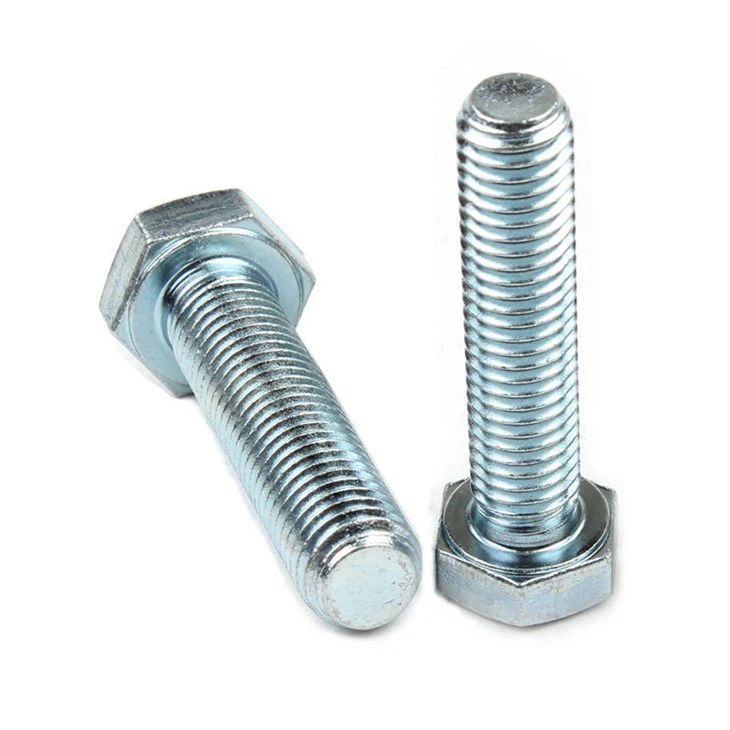
Galvanized steel hex bolts
Galvanized hex bolts have a zinc coating that provides a layer of protection against corrosion. They are commonly used in outdoor and construction applications.
Aluminum hex bolts
Aluminum hex bolts are lightweight and corrosion-resistant. They find use in applications where weight reduction and resistance to corrosion are priorities.
Nylon hex bolts
Nylon hex bolts are non-metallic and are used in applications where electrical insulation, low friction, and non-magnetic properties are important.
Plastic hex bolts
Plastic hex bolts, made from various thermoplastic materials, are used in applications that require resistance to chemicals, electrical insulation, and non-corrosive properties.
Hex Bolt Sizes
Choosing the right-sized hex bolt for your task is important, and there are several factors to take into consideration when measuring hex bolt dimensions and sizes. These are as follows:
The length of the bolt (measured from the end of the bolt up to under the head)
Thread size (the size of the thread, typically using ISO metric or M-style measurements)
Thread pitch (the number of threads per inch – the finer the bolt, the more threads per inch and the higher the thread pitch)
The ISO metric thread size system is widely used around the world. It is a handy international standard for measuring thread sizes across an array of different screw and bolt types. Each size is denoted by the letter ‘M’ followed by a number. This number indicates the outer diameter of the thread, measured in millimetres. As an example, a hex bolt with a thread size of M8 would have an outer diameter of 8mm.
Uses of Hex Bolts
Hex bolts are commonly used in a wide range of applications, including
Construction
They are used for structural and non-structural connections in buildings, bridges, and other infrastructure projects.
Machinery and Equipment
Hex bolts are used to fasten components in machinery and industrial equipment.
Automotive
Hex bolts are used in various automotive applications, including engine assembly, suspension systems, and more.
Manufacturing
They are used in manufacturing processes to join components in various industries.
Woodworking
Hex bolts are often used in woodworking to secure wooden parts together.
Plumbing and Pipelines
They are used for connecting pipes and pipe fittings in plumbing and pipelines.
Electrical and Electronics
In some cases, hex bolts are used for securing electrical and electronic components.
Diy Projects
Hex bolts are used in do-it-yourself (diy) projects and home repairs for various applications.
What Are the Different Bolt Grades
01/ Grade 2
The grade 2 bolts are most commonly manufactured from low or medium carbon steel. Bolts of this grade do not have any radial lines. The bolts of this grade with a nominal size range from 1/4″ to 3/4″ have a minimum tensile strength of about 57000 psi and the yield strength of sizes from 3/4″ to 1/2″ 36000 psi.
02/ Grade 8
Grade 8 bolts are made from medium carbon alloy steel. The bolts of this grade feature 6 radial lines. The nominal size of the grade 8 bolts can be from 1/4″ to 1 1/2″. The minimum yield strength of this grade bolt is 130,000 psi. A maximum of 120,000 psi of tensile force (proof load) can be applied to grade 8 bolts.
03/ Grade 5
Unlike grade 2 bolts, grade 5 bolts feature 5 radial lines. These bolts are manufactured from medium carbon steel. These bolts come in two different size ranges – 1/4″ to 1″ and 1″ to 1 1/2″, which have the proof load of 85000 psi and 74000 psi respectively.
04/ Grade s
Grade s bolts have the capability to withstand 45 to 49.9 mt of stress per 6.45 cm3. Bolts of this grade are heavy duty bolts that are strong and highly durable, and thus are used in a variety of heavy duty applications.
What Are the Factors That Should Be Considered for Choosing the Right Bolt Materials
Based on the application, determine the load-bearing capability and strength requirements of the bolts. High-stress applications may necessitate stronger materials such as alloy steel or titanium, whilst general-purpose applications may benefit from carbon steel.Take into account the environment in which the bolts will be used. To ensure long-term durability in corrosive settings, such as near salt water or chemical exposure, stainless steel, titanium, or corrosion-resistant alloys are ideal. Select materials with good thermal stability, such as nickel alloys or heat-treated steels, for applications involving high temperatures, such as engines or industrial machinery.
Materials such as titanium or aluminum can provide essential strength while lowering total weight in areas like as aircraft, where weight reduction is critical. Non-conductive materials such as plastics or non-ferrous metals (e.G., brass) may be useful in applications where electrical conductivity must be avoided.
Nonmagnetic materials such as stainless steel or certain nickel alloys can be utilized in applications where magnetism must be minimized. Consider material costs, as some materials, such as titanium, can be more expensive than carbon steel or alloy steel. Balance performance expectations with budget constraints. Check that the bolt material is suitable for the materials with which it will come into contact. When dissimilar metals come into contact, galvanic corrosion can occur, thus using materials with equivalent galvanic potentials. Check that the bolt material is suitable for the materials with which it will come into contact. When dissimilar metals come into contact, galvanic corrosion can occur, thus using materials with equivalent galvanic potentials. Determine the structure’s or application’s desired lifespan. Because of their corrosion resistance and durability, some materials require less maintenance and have a longer service life. Make certain that the material of choice is easily available and can be sourced dependably. The availability of resources can have an impact on project deadlines and costs.
Bolts are critical components that keep the world together by ensuring the structural integrity of buildings, vehicles, machines, and a wide range of other objects. The materials employed in its construction contribute to their strength and dependability. Steel, stainless steel, alloy steel, titanium, brass, and aluminum are common materials used to manufacture bolts with various qualities to meet a variety of engineering requirements.
Best Practices for Using Hex Bolts
To ensure optimal performance and safety when using hex bolts, consider the following best practices
Proper Torque
Use a torque wrench or other appropriate tools to tighten hex bolts to the recommended torque values specified by the manufacturer or engineering standards.
Preload and Tension
Achieve the desired preload or tension in the bolt by applying the appropriate torque, considering factors such as clamping force and material properties.
Thread Engagement
Ensure sufficient thread engagement between the bolt and nut or threaded hole to guarantee a strong and reliable connection.
Proper Storage and Handling
Store hex bolts in a clean, dry environment to prevent corrosion and damage. Handle them with care to avoid thread damage or deformation.
Parts of a Hex Bolt
Hex bolts possess a distinct shape that makes them instantly recognizable. The primary parts of hex bolts include
Hexagonal head
The most distinguishing feature of hex bolts is their hexagonal (six-sided) head. This shape provides multiple points of contact, making it easier to grip and manipulate using a wrench or socket.
Threaded shaft
The shaft of a hex bolt is threaded, which means it has spiral grooves that allow it to screw into a compatible threaded hole. The threading is essential for creating a secure and tight connection between two components.
Unthreaded shank
The portion of the bolt between the head and the threaded section is known as the unthreaded shank . This section adds structural integrity to the bolt and prevents it from being threaded all the way through a component.
Hex nuts
A hex nut is a six-sided component with an internally threaded hole. When a hex bolt is inserted through parts that need to be fastened together, a hex nut is threaded onto the bolt from the opposite side. As the nut is tightened onto the bolt, it pulls the parts together, creating a secure connection. Note that using a hex nut with the hex bolt is not mandatory. In some cases, a secure connection can be achieved using only a hex bolt, particularly if the threaded hole into which the bolt is being inserted provides enough resistance to prevent the bolt from easily coming loose.
Washers
A washer might also be used in conjunction with the hex nut and hex bolt. A washer is a flat, often circular, metal disc that is placed under the nut to distribute the load and reduce the risk of damaging the surface of the material being fastened.
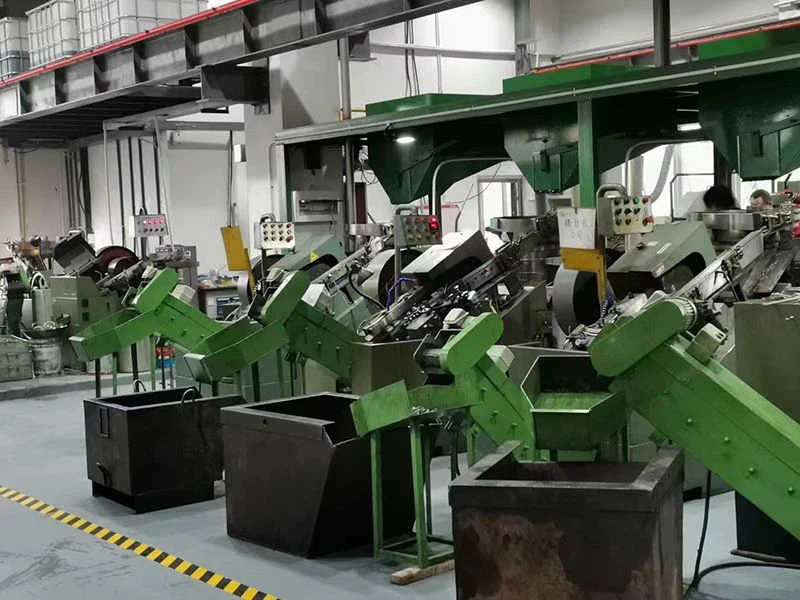
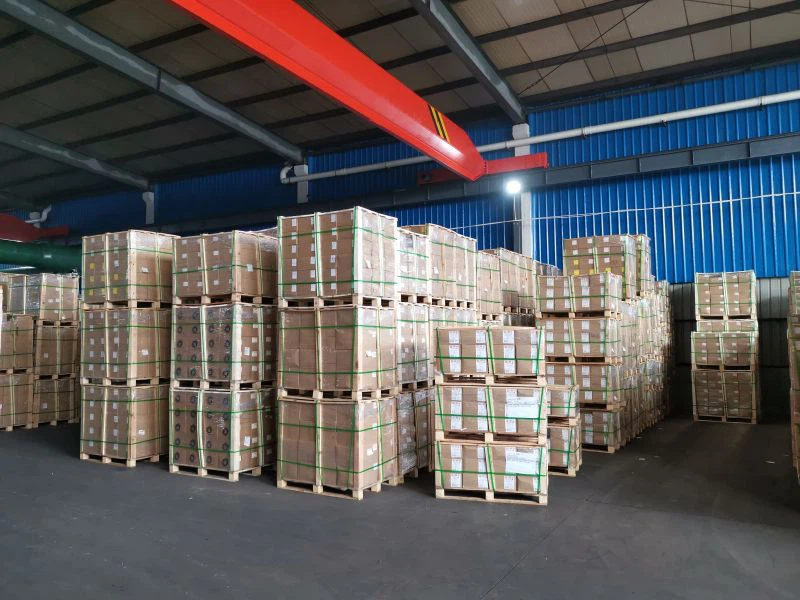
Our Bolt Factory
FAQ
Q: What is bolt and rivet?
A: Bolts are temporary fasteners, whereas rivets are permanent fasteners. You can easily remove bolts after installing them; you just need to use the same bit that you used to install the bolts but in reverse. Rivets are permanent fasteners, so you can’t easily remove them.
Q: What is the definition of a bolt?
A: A metal screw without a point, used to fasten things together, often with a nut (= small piece of metal that attaches to it)
Q: What is a bolt tool?
A: Bolts are tools used to fasten and secure the faces of assemblies. They are threaded and come with a matching nut. Their purpose is to connect aligned unthreaded holes by being placed through the aligned holes and secured with the bolt’s nut.
Q: Which bolt is commonly used?
A: Hexagonal headed bolt: The shape of head is hexagonal. It is most common for of bolt and widely used in machines and the engineering works to tighten two or more parts together.
Q: What is bolt and its types?
A: Some bolt types include hex head bolts, square head bolts, u bolts, and eye bolts. Some nut types include coupling nuts, flange nuts, square nuts, and cap nuts. This guide will tell you about more than 30 different types of bolts and nuts and washers, as well as some of their applications.
Q: What are bolt size?
A: A bolt’s size is classified based on a number of dimensions, namely the bolt’s diameter, length of shank, thread pitch, grade, thread length and head size. Bolts can me specified in metric using millimeters, but the standard, internationally-recognized descriptions of bolt sizes are in inches.
Q: What is an example of bolt?
A: A movable bar or rod that when slid into a socket fastens a door, gate, etc. the part of a lock that is shot from and drawn back into the case, as by the action of the key.
Q: What is screw and bolt?
A: A bolt is meant to be used with a nut, and it is tightened by torquing the nut. A screw is designed to be used in either a preformed or threaded hole, or it is capable of forming its own threaded hole. A screw is designed to be tightened by torquing the head.
Q: How is bolt working?
A: HOW DOES BOLT WORK? The Bolt app operates similarly to other ride-hailing mobile apps. Once installed and registered, users access an interface where they can input their current location and destination. Bolt then locates the nearest available driver to pick up the client and transport them to their desired location.
Q: What is bolt process?
A: It starts with cold forging steel wire into the right shape, followed by heat treating to improve strength and surface treating to improve durability, before being packed for shipment. However, for more advanced bolt designs, the production process can expand by a number of additional steps.
Q: What is bolt testing?
A: Skidmore Bolt Testing verifies that the bolt assembly meets the required specifications and capacity, while also confirming whether the installers of the bolt assembly have followed correct procedures.
Q: What are Type 3 bolts?
A: A Type 3 ASTM F3125 structural bolt covers weathering steel structural fasteners. These high-strength fasteners possess atmospheric corrosion resistance and weathering properties. This means that Type 3 structural bolts are designed to weather and rust over time, but not corrode.
Q: Which bolt is better?
A: The common class (grades) for metric are 5.8, 8.8, 10.9 and 12.9. Each grade has a specific bolt strength. No matter the system used, the higher number means the stronger the bolt. For most home and automotive applications, you won’t need anything more than a grade 8 bolt strength or metric class 10.9.
Q: What is a Type 1 bolt?
A: A325 Type 1 is strong, heavy-duty fastening material containing two types of quenched and tempered steel for structural steel-to-steel connections. A490 Type 1 is similar to A325 but is made from alloy steel creating a higher strength fastener.
Q: What are bolt numbers?
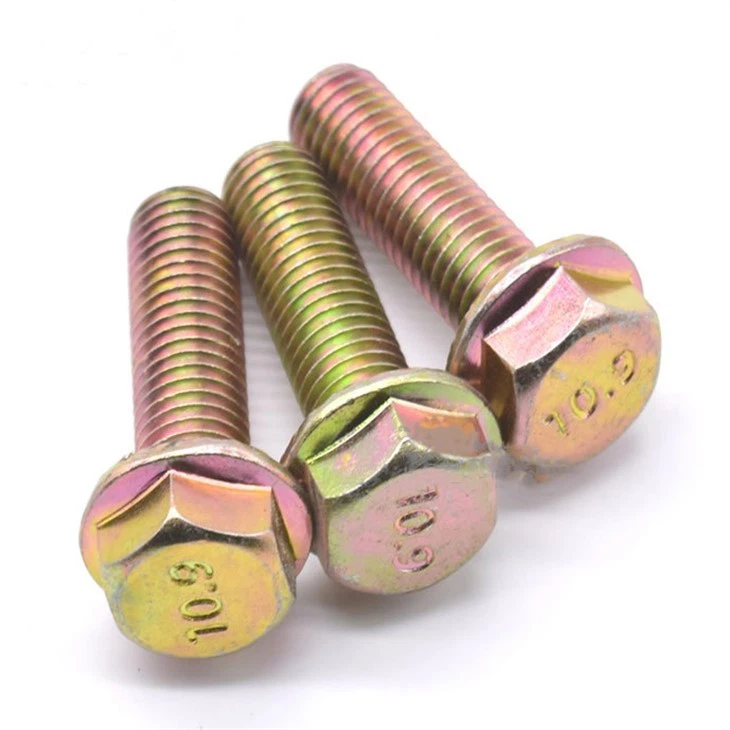
A: The number markings are engraved on the top or side of the bolt head. Common metric classes are 5.8, 8.8, 10.9, and 12.9. The higher the numbers are, the stronger the material of the fastener is.
Q: What is a bolt in engineering?
A: Bolts are screws with threaded cylinders and various types of heads. They are nearly always paired with a nut which has a matching threaded hole. The friction of the thread and compression work together to form the fastener.
Q: What is a bolt shape?
A: Hex bolt – Bolt with a hexagonal head and threaded shank. Section immediately under head may be unthreaded for fastening thicker materials. J bolt – Bolt shaped like the letter J, used for tie downs. Only the straight section is threaded for a nut. Rock bolt – Used in tunnel construction to stabilize walls.
Q: How are bolts named?
A: Nut and bolt size names, regardless of the measurement system, are always given as the OD followed by the TPI or thread pitch .
Q: How are bolts classified?
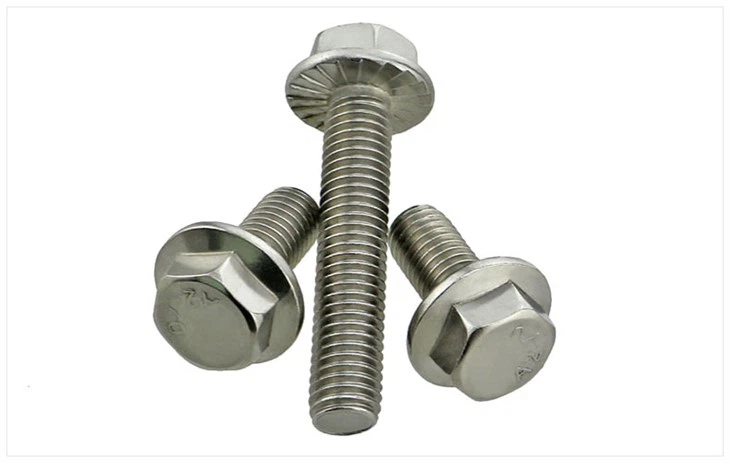
A: The higher the ISO numbers, the stronger the bolt. Stainless steel bolt grades refer to the grade of stainless steel to make bolts. Stainless steel bolt strength grades are typically made of 304, 316 or 410 stainless steel. They’re bolt heads are marked as either A2 or A4.
Q: What is a bolt material?
A: Steel. The most common fastener material, steel fasteners can be plain or with various surface treatments such as zinc plating, galvanization, and chrome plating. Stainless Steel. Stainless steel is an alloy of low carbon steel and chromium that offers enhanced corrosion protection.
We’re professional bolt manufacturers and suppliers in China, specialized in providing high quality customized products with low price. We warmly welcome you to wholesale or buy discount bolt in stock here from our factory. Contact us for free sample.