
MYWAY Metal Bolts – Wide Range, Great Value. Your China Fastener Manufacturer.
11+ Years Expertise | Professional Fastener Manufacturer | Standard & Custom Parts | DIN, ISO, ANSI Certified | Strong R&D | Ample Stock | Cost-Effective |
Professional Team | Serving 40+ Countries | Reliable Logistics
Home » Products » Bolts » Round Head Square Short Neck Bolts » Carriage Bolt DIN933 Blue White Zinc/Bright Znic/Clear Zinc
Carriage Bolt DIN933 Blue White Zinc/Bright Znic/Clear Zinc
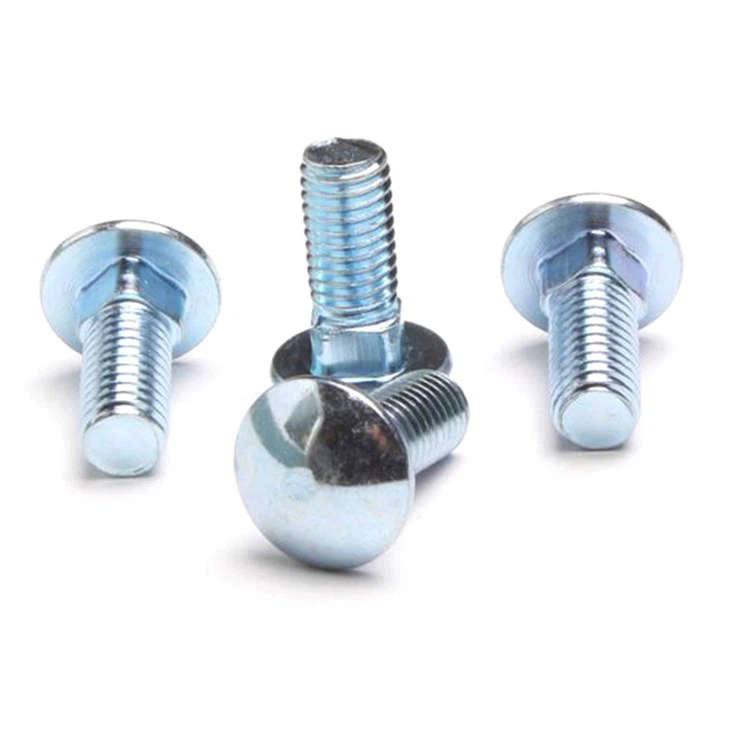
Carriage Bolt DIN933 Blue White Zinc/Bright Znic/Clear Zinc
Carriage Bolt DIN603 Blue White Zinc,this bolt is ideal for applications where a flush finish is desired, such as in furniture assembly or outdoor structures. The blue and white zinc coating not only provides a sleek look, but also protects against corrosion and rust. Additionally, the square neck of the bolt prevents it from spinning, ensuring a secure and tight fit. The Carriage Bolt DIN603 Blue White Zinc is a versatile and durable option for all of your fastening needs.
Description
About Carriage Bolts DIN603
Carriage bolts are commonly used in many construction projects. They are designed to be used with a nut to create a secure joint between two materials. The DIN603 standard defines carriage bolts as “Round or square-headed bolts with a neck, which is square in section beneath the rounded or square head and a threaded end opposite the head.”
One of the most popular finishes for carriage bolts is blue and white zinc. This finish provides excellent corrosion resistance and is very durable. Many manufacturers offer carriage bolts with this finish, so it’s easy to find the right size and length for your project.
When using carriage bolts with blue and white zinc finish, it’s important to choose the appropriate size and length for your application. Carriage bolts are available in a variety of sizes, ranging from 1/4″ to 3/4″ in diameter and from 1″ to 10″ in length. Make sure to choose a bolt that is the right length for the thickness of the materials you are connecting.
Another important consideration when using carriage bolts is the type of nut you use. The DIN603 standard requires that carriage bolts be used with a square nut to ensure proper tightening. Using the wrong type of nut can result in an insecure joint and potentially dangerous situation.
Overall, carriage bolts with blue and white zinc finish are a great choice for many construction projects. They offer excellent corrosion resistance, durability, and are widely available in a variety of sizes and lengths. When using these bolts, be sure to choose the appropriate size and nut for your application to ensure a secure and long-lasting joint.
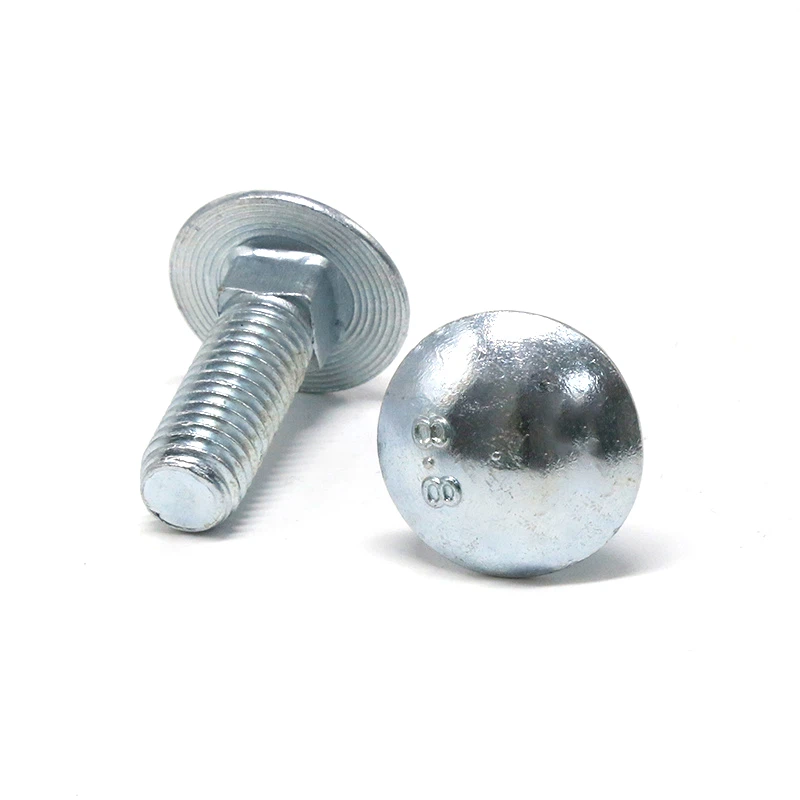
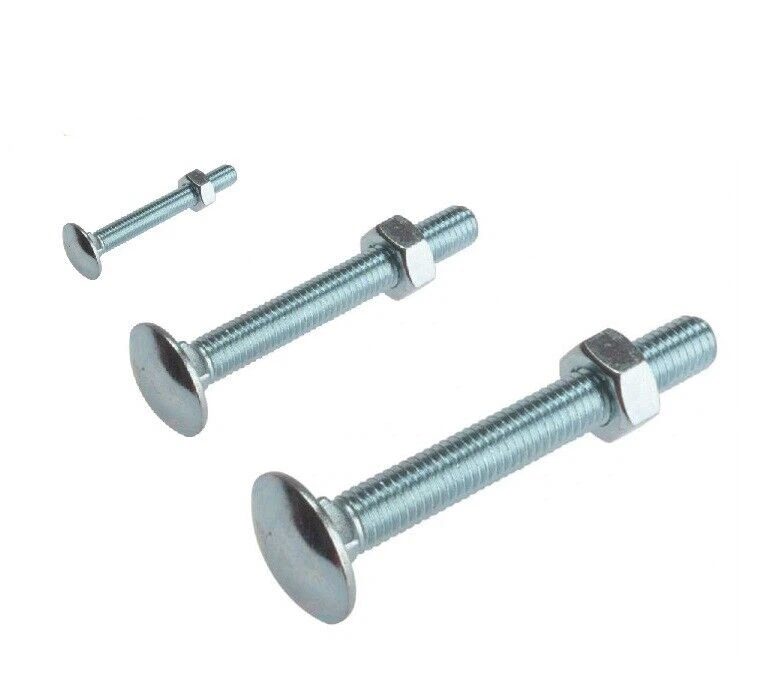
Carriage Bolt DIN603 Dimensions
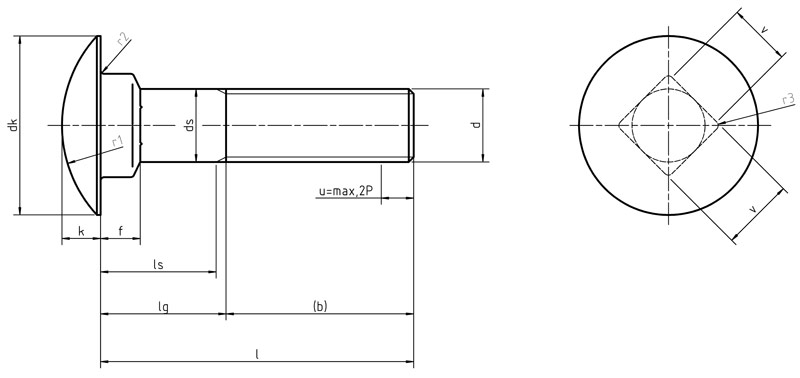
DIN 603 – Mushroom head square neck bolts
Current norm: DIN 603
Equivalent norms: ISO 8677; CSN 021319; PN 82406; UNI 5731
Table according to DIN 603:
dimensions in mm
| Thread d | M5 | M6 | M8 | M10 | M12 | M16 | M20 | |
| P | 0,8 | 1 | 1,25 | 1,5 | 1,75 | 2 | 2,5 | |
| b | l < 125mm | 16 | 18 | 22 | 26 | 30 | 38 | 46 |
| 125 < l < 200mm | 22 | 24 | 28 | 32 | 36 | 44 | 52 | |
| l > 200mm | – | – | 41 | 45 | 49 | 57 | 65 | |
| dk | max. | 13,55 | 16,55 | 20,65 | 24,65 | 30,65 | 38,8 | 46,8 |
| min. | 12,45 | 15,45 | 19,35 | 23,35 | 29,35 | 37,2 | 45,2 | |
| ds | max. | 5 | 6 | 8 | 10 | 12 | 16 | 20 |
| min. | 4,52 | 5,52 | 7,42 | 9,42 | 11,3 | 15,3 | 19,16 | |
| f | max. | 4,1 | 4,6 | 5,6 | 6,6 | 8,75 | 12,9 | 15,9 |
| min. | 2,9 | 3,4 | 4,4 | 5,4 | 7,25 | 11,1 | 14,1 | |
| k | max. | 3,3 | 3,88 | 4,88 | 5,38 | 6,95 | 8,95 | 11,05 |
| min. | 2,7 | 3,12 | 4,12 | 4,62 | 6,05 | 8,05 | 9,95 | |
| r1 | approx. | 10,7 | 12,6 | 16 | 19,2 | 24,1 | 29,3 | 33,9 |
| r2 | max. | 0,5 | 0,5 | 0,5 | 0,5 | 1 | 1 | 1 |
| r3 | max. | 0,75 | 0,9 | 1,2 | 1,5 | 1,8 | 2,4 | 3 |
| v | max. | 5,48 | 6,48 | 8,58 | 10,58 | 12,7 | 16,7 | 20,84 |
| min. | 4,52 | 5,52 | 7,42 | 9,42 | 11,3 | 15,3 | 19,16 | |
Tab 2.
| l | M5 | M6 | M8 | M10 | M12 | M16 | M20 | |||||||||
| nominal size | min. | max. | ls min. | lg max. | ls min. | lg max. | ls min. | lg max. | ls min. | lg max. | ls min. | lg max. | ls min. | lg max. | ls min. | lg max. |
| 16 | 15,1 | 16,9 | – | 8 | – | 10 | ||||||||||
| 20 | 18,95 | 21,05 | – | 8 | – | 10 | – | 12 | – | 14 | ||||||
| 25 | 23,95 | 26,05 | – | 8 | – | 10 | – | 12 | – | 14 | ||||||
| 30 | 28,95 | 31,05 | – | 18 | – | 10 | – | 12 | – | 14 | – | 18 | ||||
| 35 | 33,75 | 36,25 | 15 | 19 | 12 | 17 | – | 12 | – | 14 | – | 18 | ||||
| 40 | 38,75 | 41,25 | 20 | 24 | 17 | 22 | 11,75 | 18 | – | 14 | – | 18 | ||||
| 45 | 43,75 | 46,25 | 25 | 29 | 22 | 27 | 16,75 | 23 | 11,5 | 19 | – | 18 | ||||
| 50 | 48,75 | 51,25 | 30 | 34 | 27 | 32 | 21,75 | 28 | 16,5 | 24 | – | 18 | ||||
| 55 | 53,5 | 56,5 | 35 | 39 | 32 | 37 | 26,75 | 33 | 21,5 | 29 | 16,25 | 25 | – | 23 | ||
| 60 | 58,5 | 61,5 | 40 | 44 | 37 | 42 | 31,75 | 38 | 26,5 | 34 | 21,25 | 30 | – | 23 | ||
| 65 | 63,5 | 66,5 | 45 | 49 | 42 | 47 | 36,75 | 43 | 31,5 | 39 | 26,75 | 35 | 17 | 27 | ||
| 70 | 68,5 | 71,5 | 50 | 54 | 47 | 52 | 41,75 | 48 | 36,5 | 44 | 31,25 | 40 | 22 | 32 | – | 28,5 |
| 80 | 78,5 | 81,5 | 60 | 64 | 57 | 62 | 51,75 | 58 | 46,5 | 54 | 41,25 | 50 | 32 | 42 | 21,5 | 34 |
| 90 | 88,25 | 91,75 | 67 | 72 | 61,75 | 68 | 56,5 | 64 | 51,25 | 60 | 42 | 52 | 31,5 | 44 | ||
| 100 | 98,25 | 101,75 | 77 | 82 | 71,75 | 78 | 66,5 | 74 | 61,25 | 70 | 52 | 62 | 41,5 | 54 | ||
| 110 | 108,25 | 111,75 | 87 | 92 | 81,75 | 88 | 76,5 | 84 | 71,25 | 80 | 62 | 72 | 51,5 | 64 | ||
| 120 | 118,25 | 121,75 | 97 | 102 | 91,75 | 98 | 86,5 | 94 | 81,25 | 90 | 72 | 82 | 61,5 | 74 | ||
| 130 | 128 | 132 | 101 | 106 | 95,75 | 102 | 90,5 | 98 | 85,25 | 94 | 76 | 86 | 65,5 | 78 | ||
| 140 | 138 | 142 | 111 | 116 | 105,75 | 112 | 108,5 | 108 | 95,25 | 104 | 86 | 96 | 75,5 | 8 | ||
| 150 | 148 | 152 | 121 | 126 | 115,75 | 122 | 110,5 | 118 | 105,25 | 114 | 96 | 106 | 85,5 | 98 | ||
| 160 | 156 | 164 | 120,5 | 128 | 115,25 | 124 | 106 | 116 | 95,5 | 108 | ||||||
| 180 | 176 | 184 | 140,5 | 148 | 135,25 | 144 | 126 | 136 | 115,5 | 128 | ||||||
| 200 | 195,4 | 204,6 | 160,5 | 168 | 155,25 | 164 | 146 | 156 | 135,5 | 148 | ||||||
Common Fastener Materials
Fasteners are fabricated from a variety of materials. These options include metals and polymers. Stainless steel offers strength and corrosion resistance. While polymer options have less strength than stainless, they are a good choice for resisting chemicals. The most common materials are:
- Stainless steel
- Alloy steel
- Low carbon steel
- Medium carbon steel
- Titanium
- Polymers, such as nylon
Finish Options
The use of heat treatments and application of various finishes, also known as “plating,” affects the look and performance of fasteners. Finishes provide material stability and protect the fasteners from corrosion and rust. Below are some common heat treatment and finish benefits:
- Zinc coating – Most common, low cost, resists corrosion and rust
- Galvanized – Superior corrosion protection, anti-seize, higher upfront investment
- Stainless – Great for humid environments, strong, ideal for electrical or mechanical uses
- Black – Adds color, provides better grip, deflects light
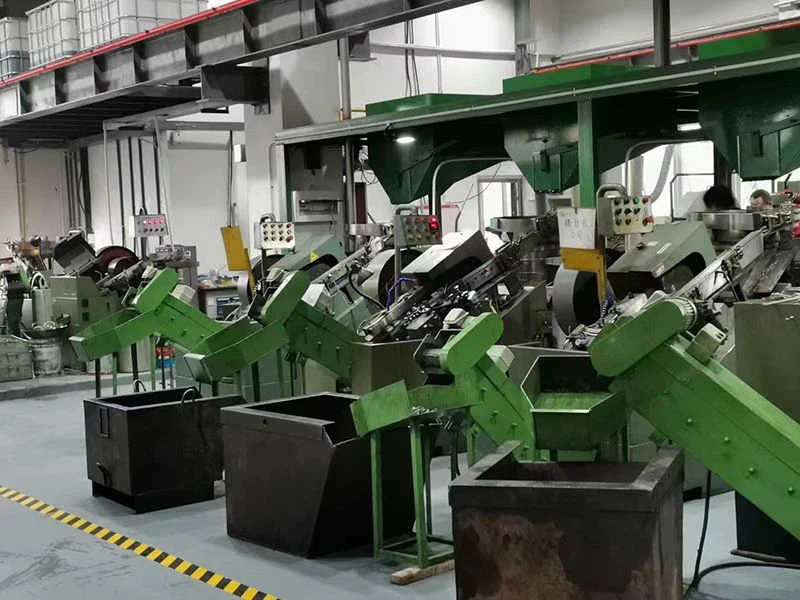
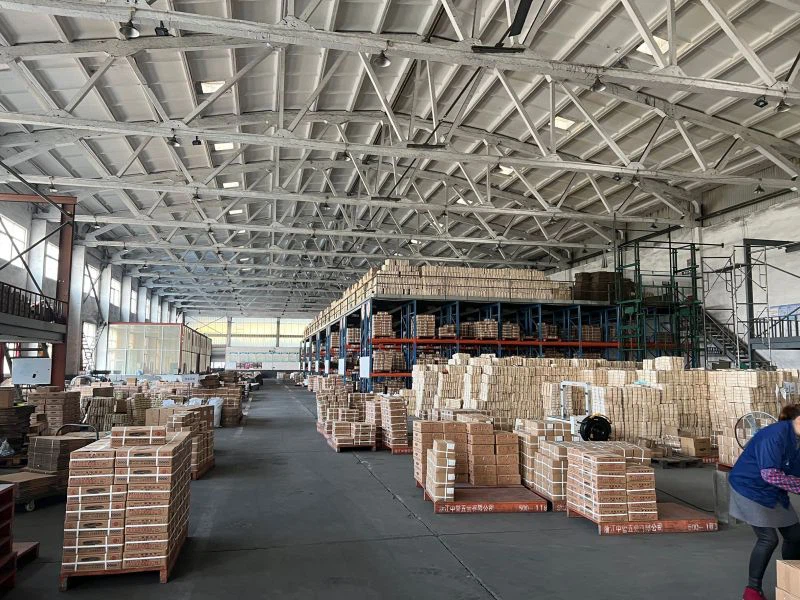
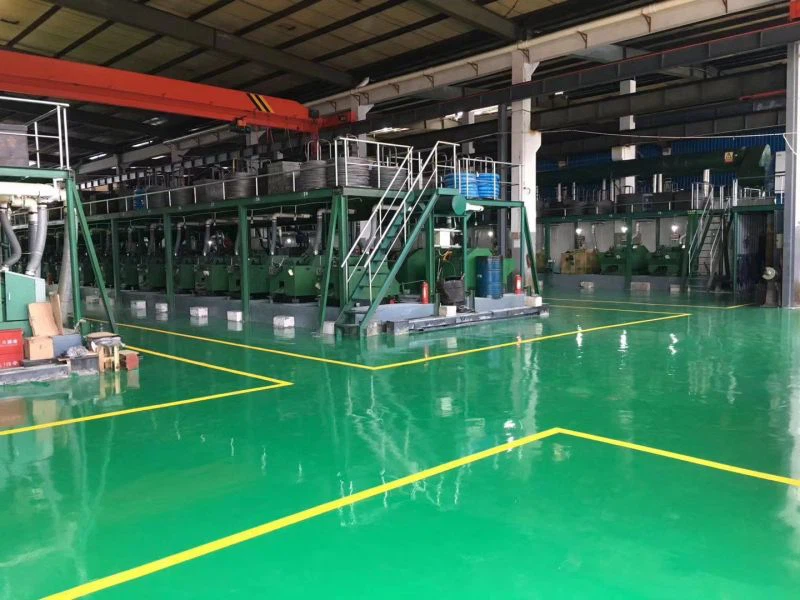
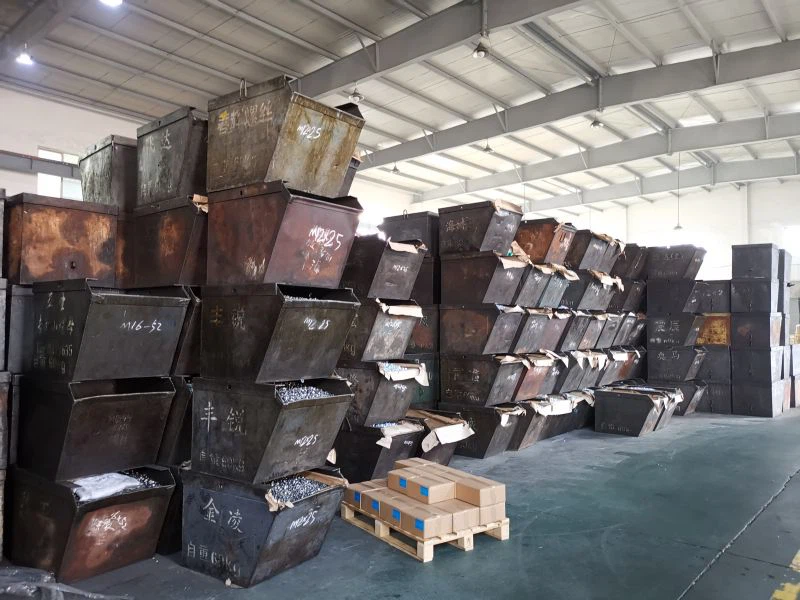
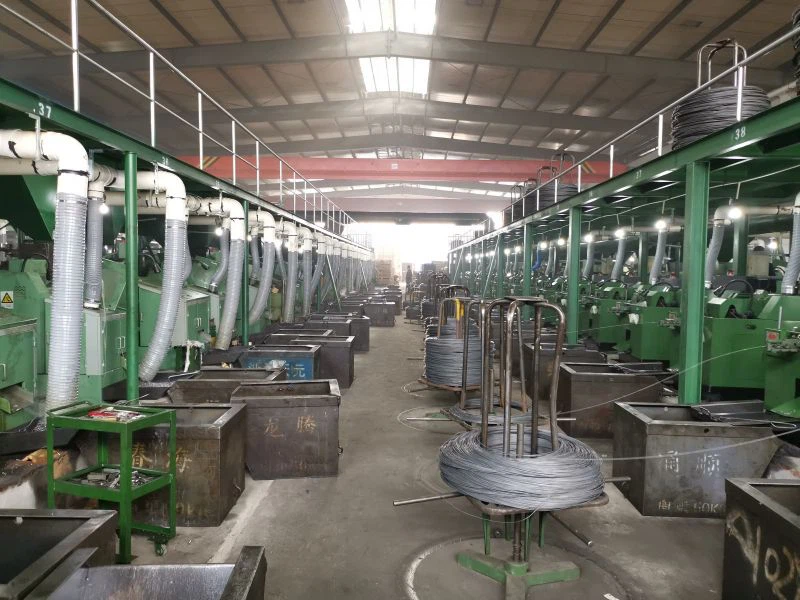
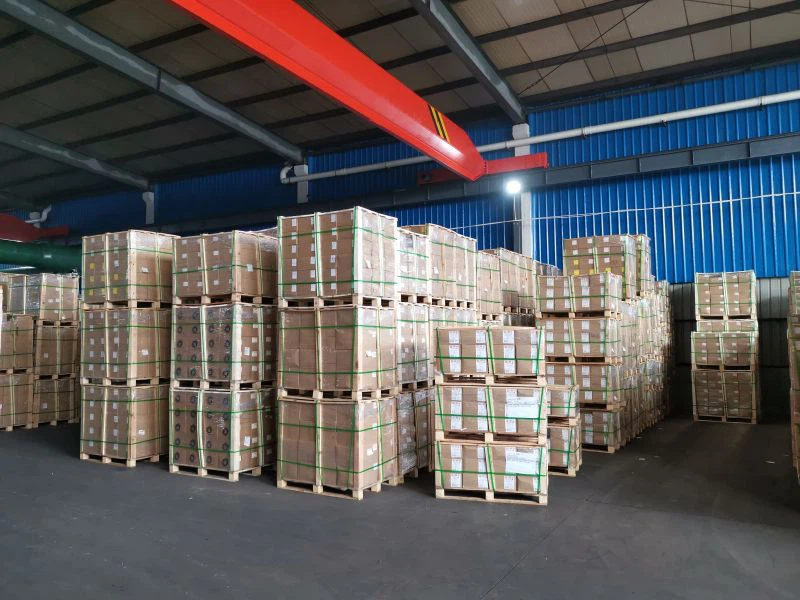
Our Bolt Factory
MYWAY Services
MYWAY strictly complies with the requirements of the ISO9001 quality certification system, strictly controls quality, implements it at every level, and assigns responsibilities to everyone to ensure the healthy operation of the comprehensive system of design, production, sales, and after-sales service. In order to strengthen communication with users, better provide users with high-quality products, and better serve users with the brand, we have made the following commitments:
1. Products are designed and manufactured in strict accordance with standards. We produce non-standard products according to the drawings provided by customers.
2. Pre-sales service
Serving customers: product introduction, answers to technical questions, and engineering-assisted design.
3. Sales service
1). The products are based on the needs of user orders, with quality and delivery time as the premise.
2). During the use of the product, our company regularly organizes technical and quality inspection service personnel to visit and solicit feedback from users on the quality, usage status, improvement opinions and other aspects of the product, so as to further improve product quality.
4. After-sales service
1). If users have any problems or information when using our products, please report them back to the company in a timely manner so that the company can properly handle and improve them so that our products can better meet your requirements.
2). If the product does not work properly or is damaged due to quality problems during the warranty period, our company will be responsible for free repair or replacement. If the product is damaged or does not work properly due to improper use by the user, our company can provide repair services. If users need it, our company can provide users with free pre-sales and after-sales technical consultation.
.After-sales service. Users are required to fill in the product service and quality feedback information form and make appraisal opinions in order to improve the quality of MYWAY products and services.
FAQ
Q: Do bolts have different threads?
A:Bolts with coarse threads have a larger pitch (fewer threads per axial distance) compared to fine threads. A coarse threaded bolt is specified for most applications unless there is an overriding reason to use a fine threaded bolt (e.g. thorough thread adjustment is crucial for the application).
Q: What is difference between screw & bolt?
A: A bolt is meant to be used with a nut, and it is tightened by torquing the nut. A screw is designed to be used in either a preformed or threaded hole, or it is capable of forming its own threaded hole. A screw is designed to be tightened by torquing the head.
Q: Are bolts stronger than screws?
A: Yes, bolts provide greater holding strength than screws. This is partly due to the presence of the washer, which spreads out the load over a larger surface area. Because bolts offer increased strength, they work well for heavy-duty, load-bearing applications.
Q: Does every bolt need a nut?
A: Sometimes two bolts are used to prevent a beam from swiveling. Tap Bolt: This kind of bolt is completely threaded. It is used in a threaded or tapped hole and does not need a nut. A bolt is a type of fastener that often needs a nut that is tightened on the end and helps fasten several materials together.
Q: Why use screws instead of bolts?
A: Uses Screws and bolts are both used to fasten objects together, but bolts are for more heavy-duty projects. While bolts are the better choice for construction, building, or anchoring items, screws are best for home repairs, hanging objects, and DIY builds.
Q: What is the weakest part of a bolt?
A: The weakest part of any fastener is the deepest region of its threads (the root), and although the thread diameters in each case are the same the cold formed root diameter of a rolled thread may increase in strength.
Q: Are stainless steel bolts weaker than steel?
A: In fact, due to their low carbon content, many stainless steel alloys cannot be hardened through heat treatment. Therefore, when compared to regular steel, the stainless alloys used in bolts are slightly stronger than an un-hardened (grade 2) steel but significantly weaker than hardened steel fasteners.
Q: Can bolts be too long?
A: If the bolt is too long, its point may come into contact with the anchor’s expansion cone before the head of the bolt reaches the material to be fastened.
Q: Why are bolts so strong?
A: When a bolt is tightened the shank sustains a direct stress, due to the elongation strain, together with a torsional stress, due to the torque acting on the threads.
Q: Why are bolts better than rivets?
A: Bolts have largely replaced rivets due to their lower installation cost, ease of installation and maintenance. The two types of bolts commonly used in steel construction include high strength structural steel, and A307 bolts (common bolts).
Q: Do bolts weaken over time?
A: Nuts and bolts can loosen over time even if they are only subjected to translatory forces due to several factors: Vibration: Translatory forces can result in vibration in mechanical systems, especially in equipment or machinery that operates at high speeds or experiences frequent changes in direction or load.
Q: Do bolts need threaded holes?
A: Because metal is a stronger material, the screws thread cannot cut into it, so they must be inserted into a tapped or threaded hole. They both give extra grip to ensure that the screw stays in place. Both processes are used for a bolt, screw, or nut.
Q: Do bolts need washers?
A: Washers are used to distribute the load of a threaded fastener, such as a bolt or nut. Before a screw or bolt is driven into a surface, a washer may be placed in order to prevent looseness and provide protection. This also prevents the bolt head and nut from damaging the surfaces of the two fastened parts.
Q: Why does bolt have rubber?
A: Rubber spacers for bolts are especially useful for securing fasteners in high-vibration applications because the rubber will absorb the vibration to keep the fastener from loosening unexpectedly.
We’re professional bolt manufacturers and suppliers in China, specialized in providing high quality customized products with low price. We warmly welcome you to wholesale or buy discount bolt in stock here from our factory. Contact us for free sample.