
MYWAY Metal Thread Rods – Wide Range, Great Value. Your China Fastener Manufacturer.
11+ Years Expertise | Professional Fastener Manufacturer | Standard & Custom Parts | DIN, ISO, ANSI Certified | Strong R&D | Ample Stock | Cost-Effective |
Professional Team | Serving 40+ Countries | Reliable Logistics
Thread Rods
Thread Rods – Classification by Standard
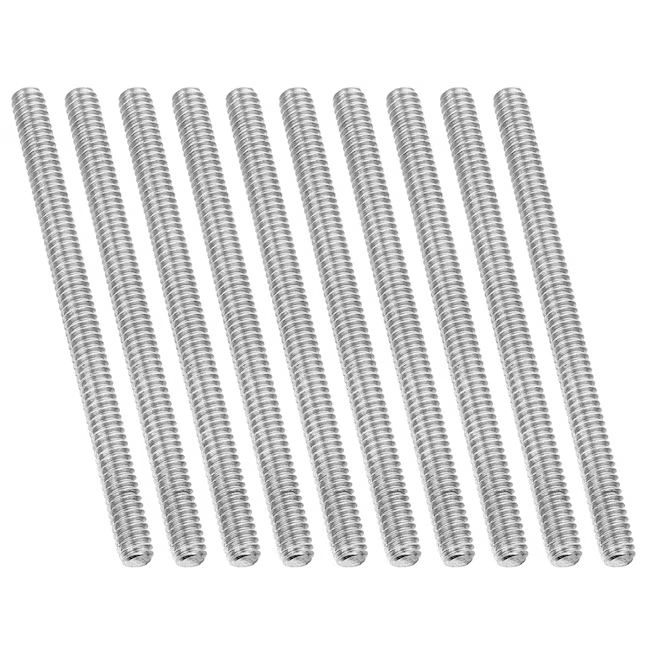
DIN 975
Fully Threaded Studs & Rods
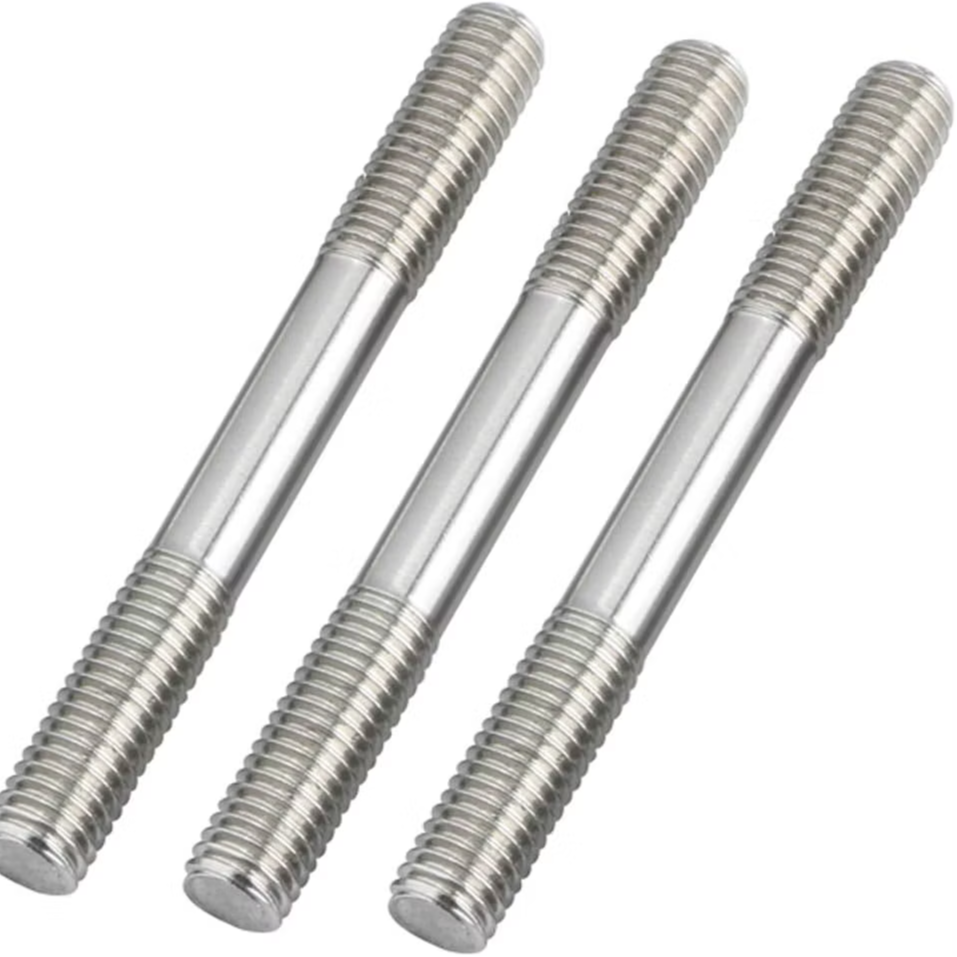
DIN 976
Partially Threaded Studs & Rods
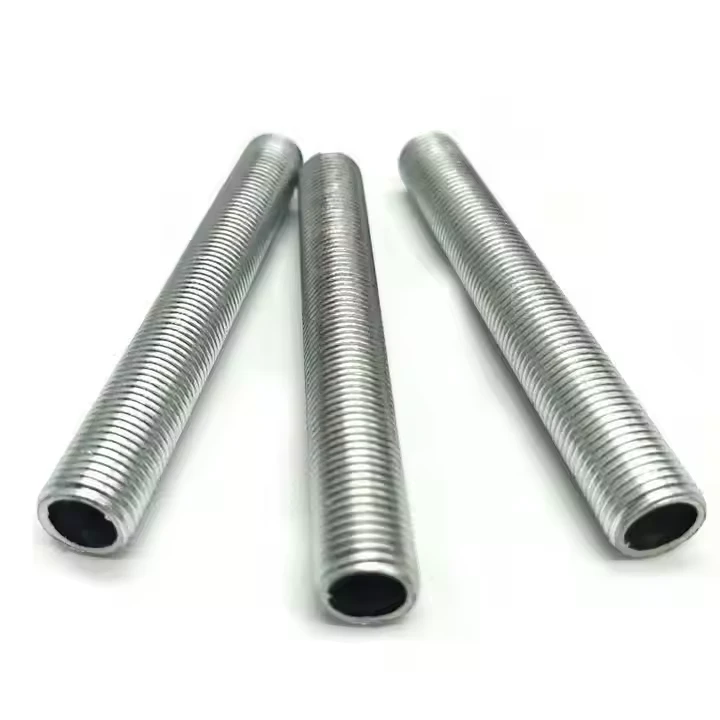
ANSI/ASME/ASTM Threaded Rods
Thread Rods – Classification by Material / Performance Grade
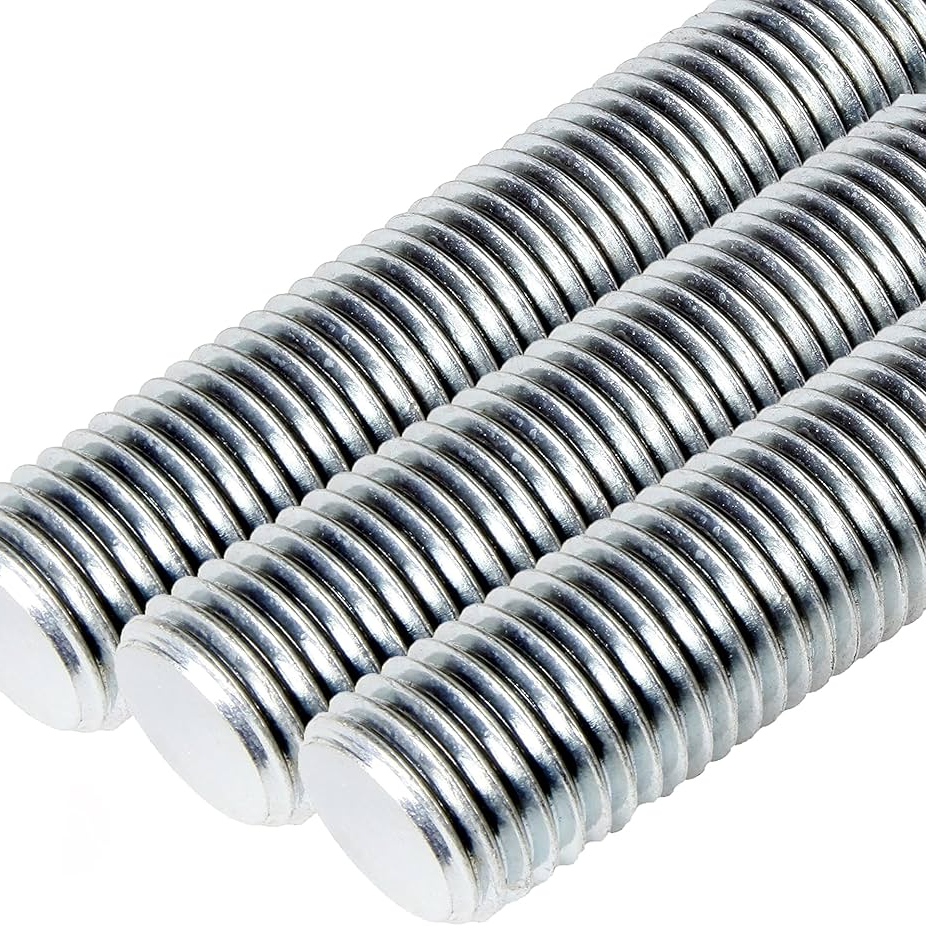
Grade 4.8 Threaded Rods
Mild carbon steel, lowest strength
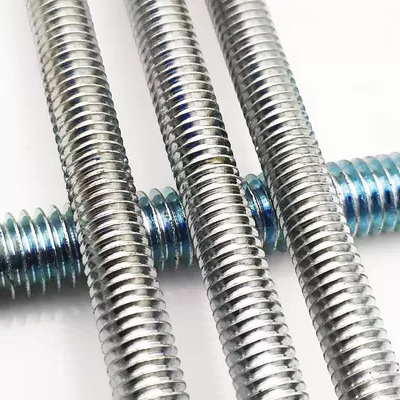
Grade 6.8 Threaded Rods
Mild carbon steel, medium-low strength
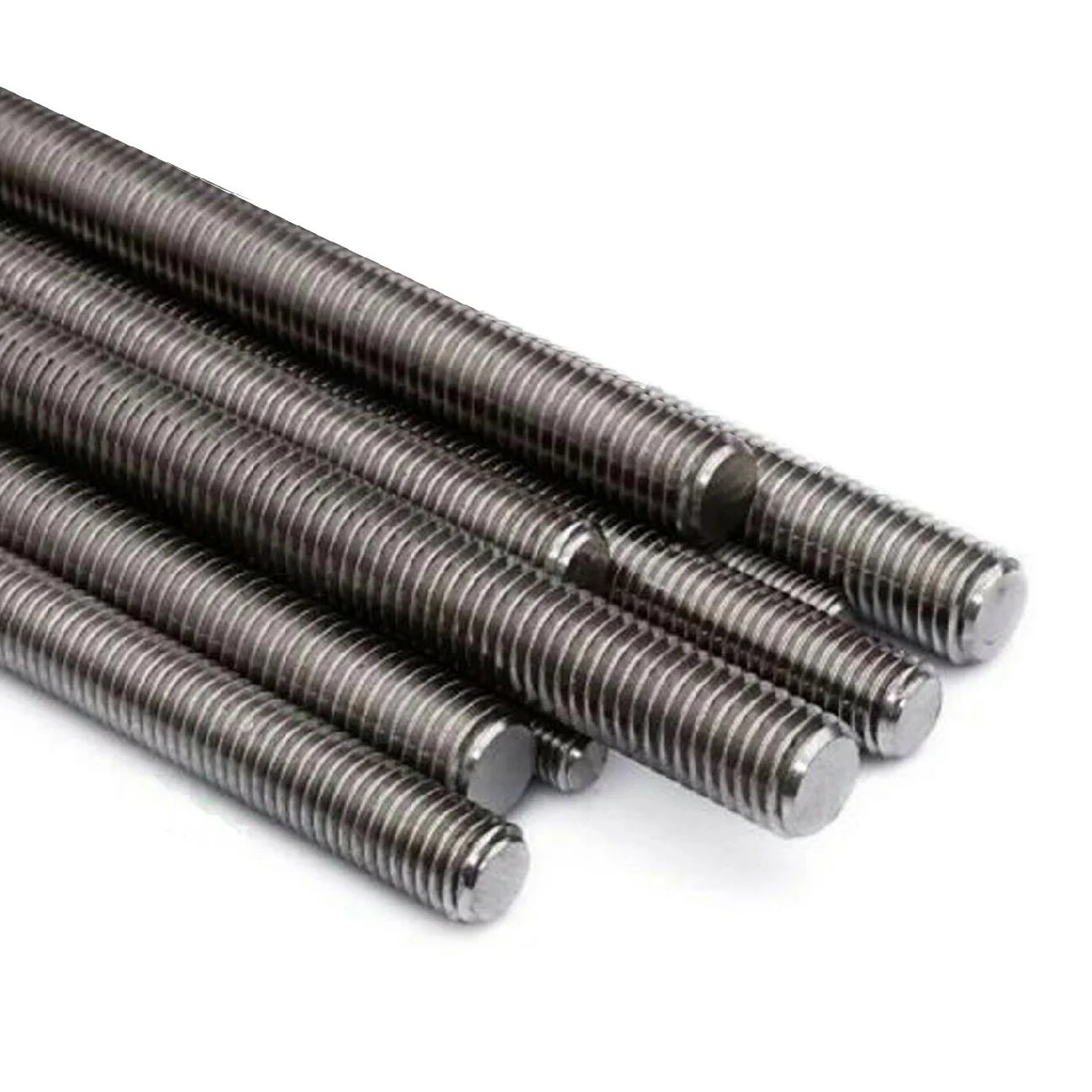
Grade 8.8 Threaded Rods
Medium carbon steel / alloy steel, quenched and tempered, the dividing line for high strength
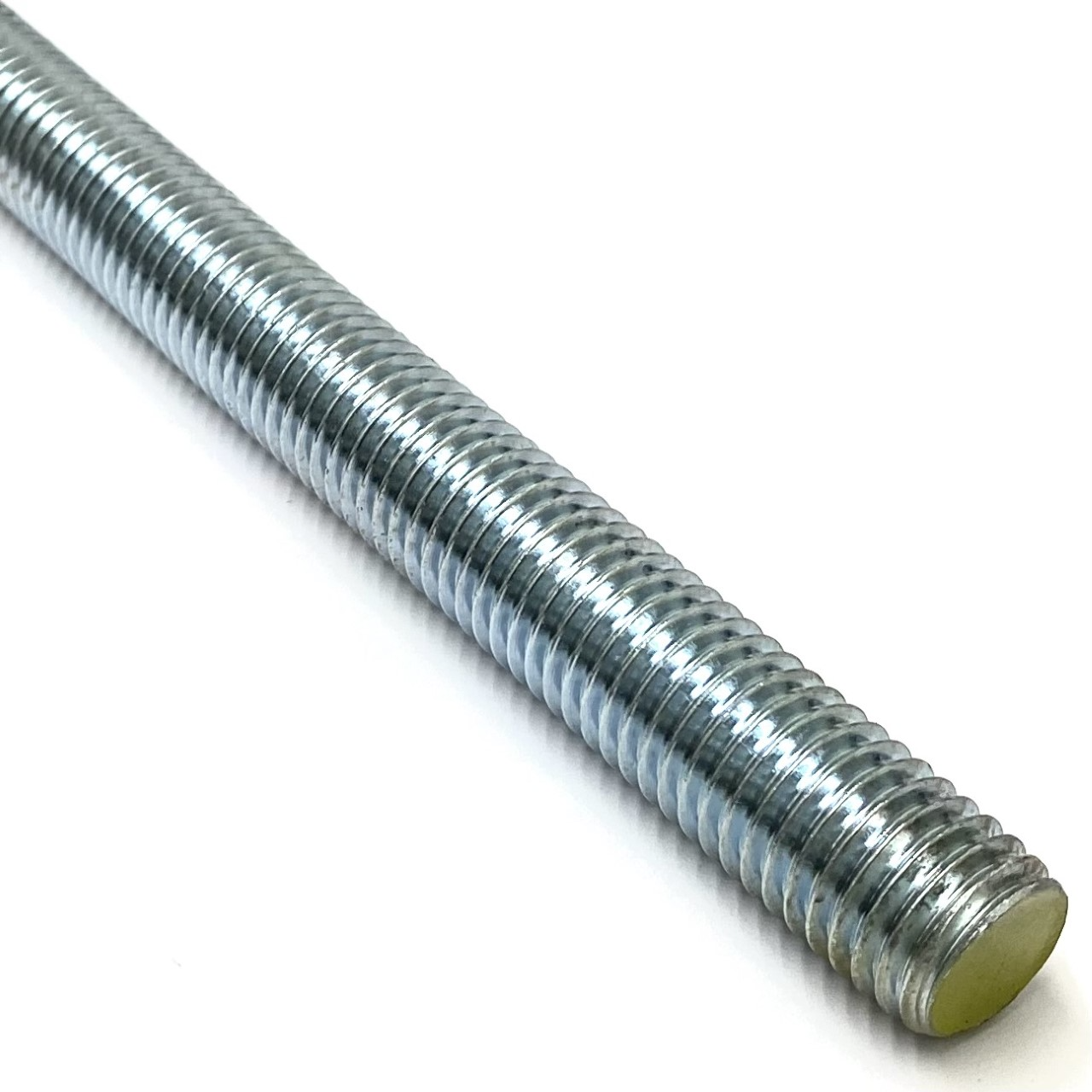
Grade 10.9 Threaded Rods
Alloy steel, quenched and tempered, high strength
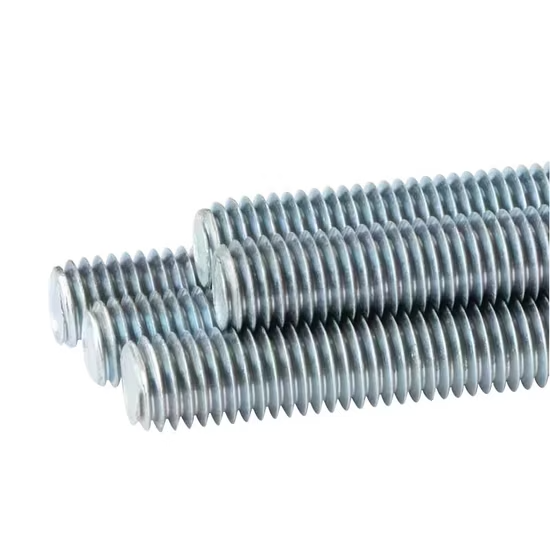
Grade 12.9 Threaded Rods
Alloy steel, quenched and tempered, highest strength grade
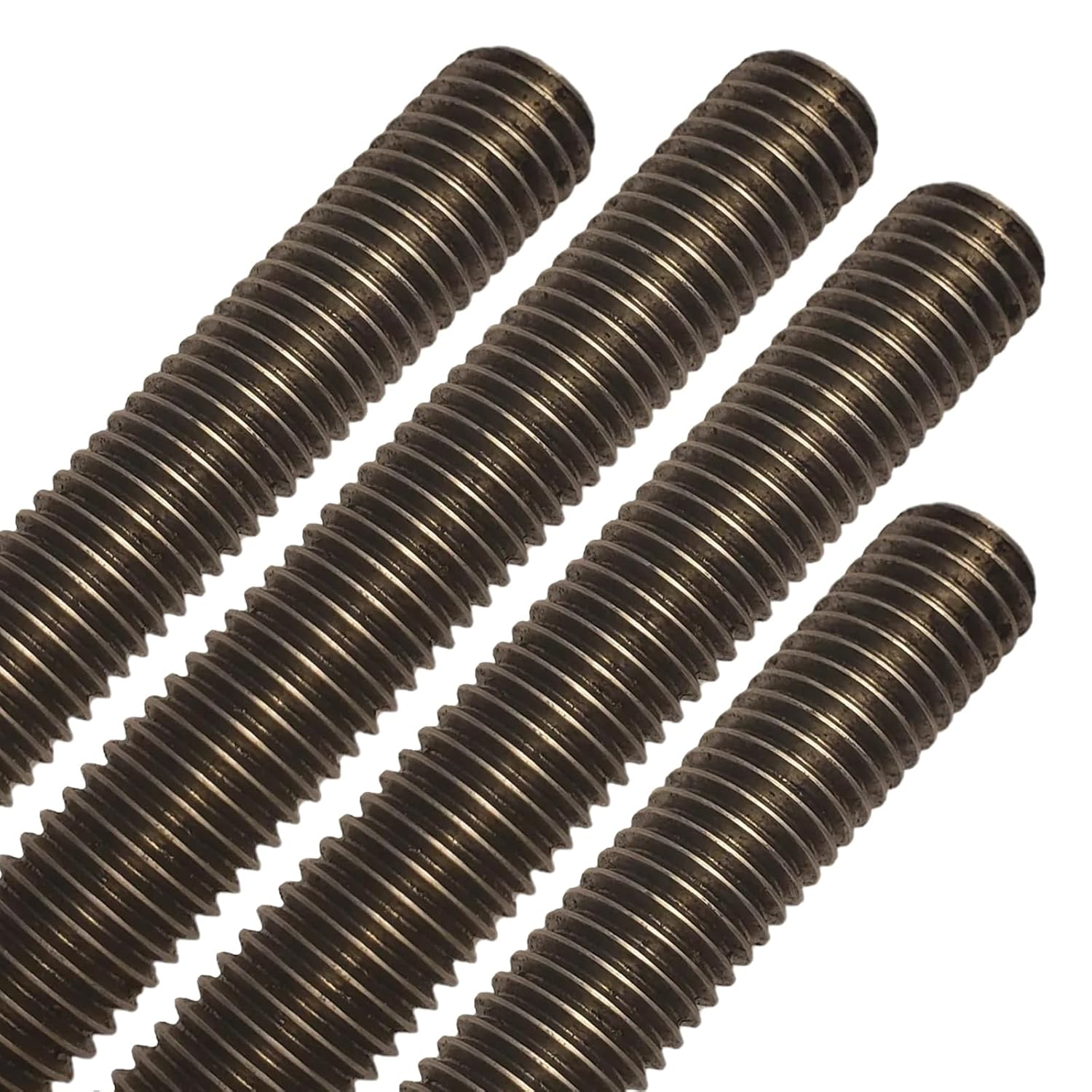
B7 Threaded Rods
ASTM A193 B7 alloy steel, resistant to high temperature and pressure, commonly used in petrochemical industry
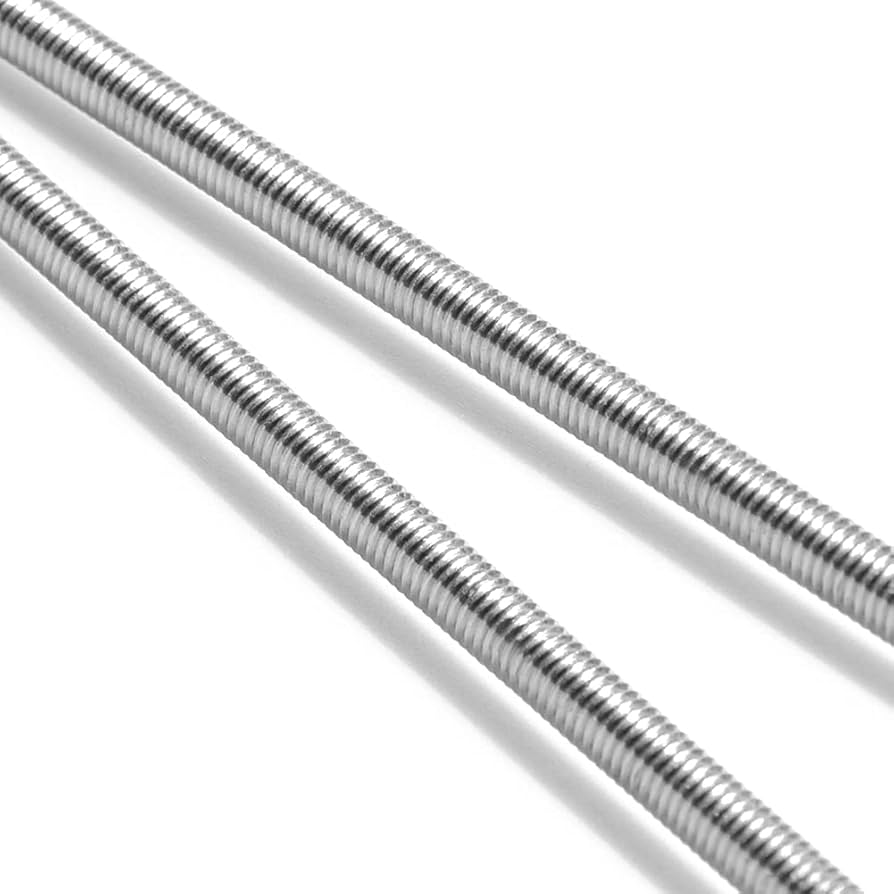
Stainless Steel Threaded Rods
Stainless steel material (typically 304, 316, etc.), selected primarily for corrosion resistance — not graded by strength class
Thread Rods – Classification by Material / Performance Grade
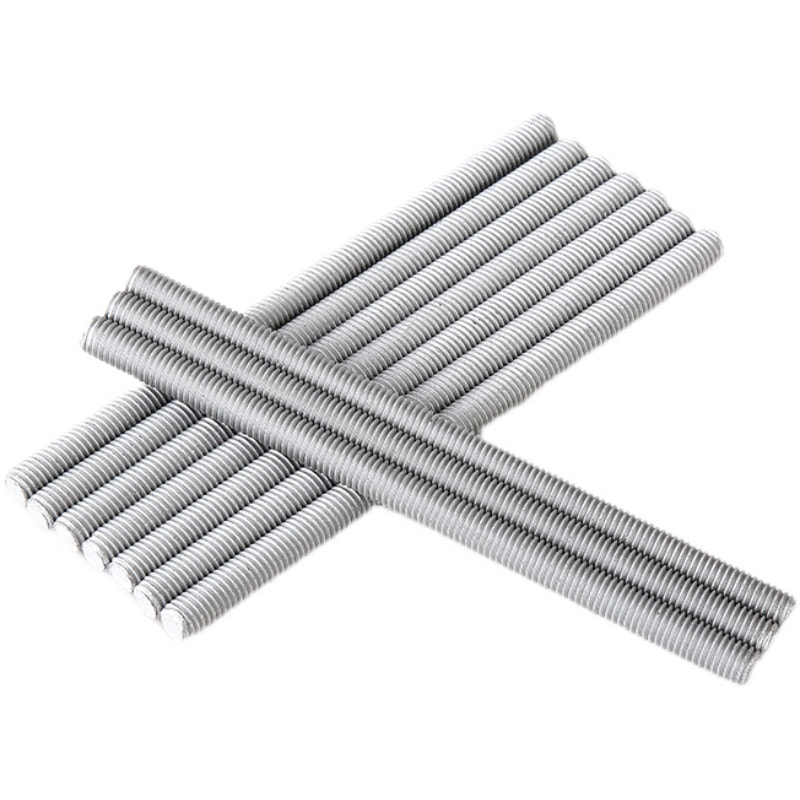
Dacromet Coated Threaded Rods
Zinc-chromium coating, excellent salt spray corrosion resistance, no hydrogen embrittlement risk
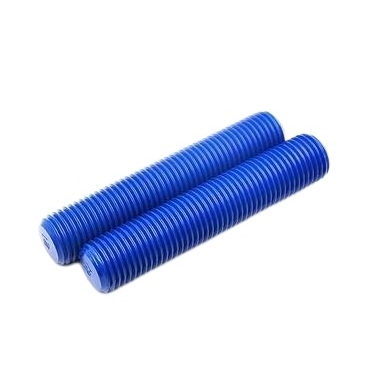
Xylan Coated Threaded Rods / Stud Bolts
Xylan (PTFE-containing) coating, self-lubricating + anti-corrosion, commonly used in valve and petrochemical industries
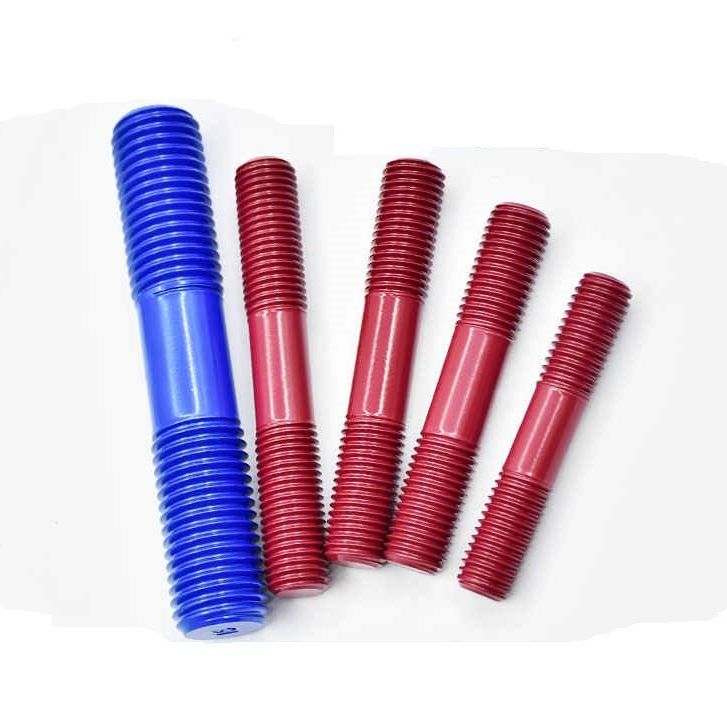
Teflon / PTFE Coated Threaded Rods / Stud Bolts
PTFE (Polytetrafluoroethylene) coating, low friction + anti-corrosion, excellent anti-stick performance
Thread Rods – Classification by Product Form
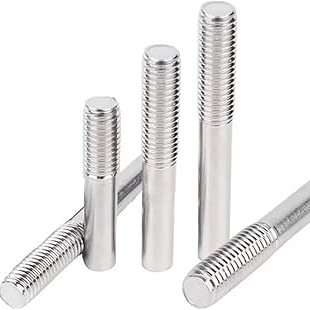
Single-End Threaded Rod
Threaded on one end only
Double-End Threaded Rod
Threaded on both ends with a plain shank in between
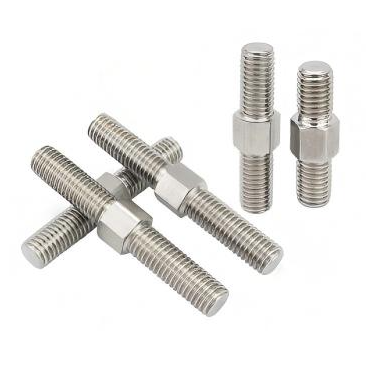
Stud Bolt / Double-End Stud
Threaded on both ends, typically used for flange connections
Fully Threaded Rod / Fully Threaded Stud
Thread runs along the entire length of the rod
Threaded Rod: Types, Grades, Applications, and How to Choose the Right One
Introduction
If you work in construction, automotive, manufacturing, or any field that requires heavy-duty fastening, you’ve likely encountered a threaded rod. It’s the unsung hero of the fastener world, yet its importance cannot be overstated.
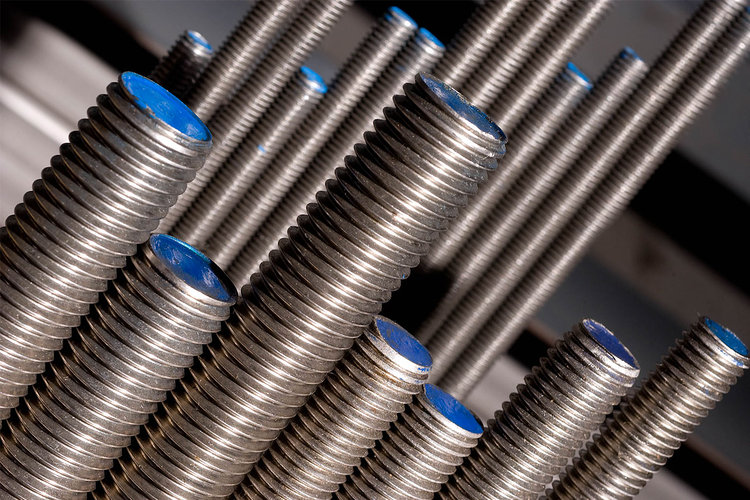
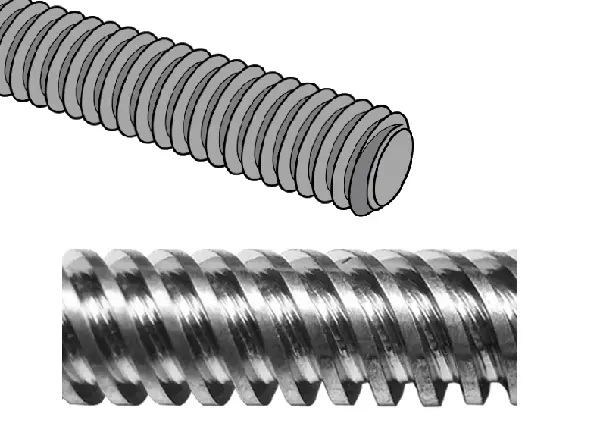
A threaded rod, also known as all-thread, studding, or threaded bar, is a long metal bar with helical threading running along its entire length or part of it. Unlike bolts, which have a head and a specific shank length, a threaded rod is headless and endlessly versatile. It can be cut to any length, fitted with nuts and washers anywhere along its span, and used for applications where a standard bolt simply won’t reach.
The global fully threaded rod market is on a steady growth trajectory, projected to expand from US$1,256 million in 2025 to US$1,642 million by 2031, at a CAGR of 4.6%. This growth reflects the increasing demand for versatile, high-strength fastening solutions across industries.
In this comprehensive guide, we’ll explore everything you need to know about threaded rods—their types, materials, strength grades, applications, and how to select the right one for your project.
What Is a Threaded Rod?
At its simplest, a threaded rod is a length of metal bar stock with continuous helical threads. It functions like a very long, thick bolt or screw, but without a head. The threading allows nuts, washers, and other fixings to be attached at any point along the rod, making it incredibly adaptable.
Common Names for Threaded Rod
This fastener has accumulated more names than almost anything else in the industry. Depending on your region or trade, you might hear it called:
All Thread / Allthread / ATR – Short for all-thread rod, meaning threaded from end to end
Threaded Bar – Common in construction and civil trades, often implying longer stock lengths
Studding – The UK trade term, still widely used by plumbers and electricians
Stud Rod – Used in mechanical, electrical, and plumbing sectors
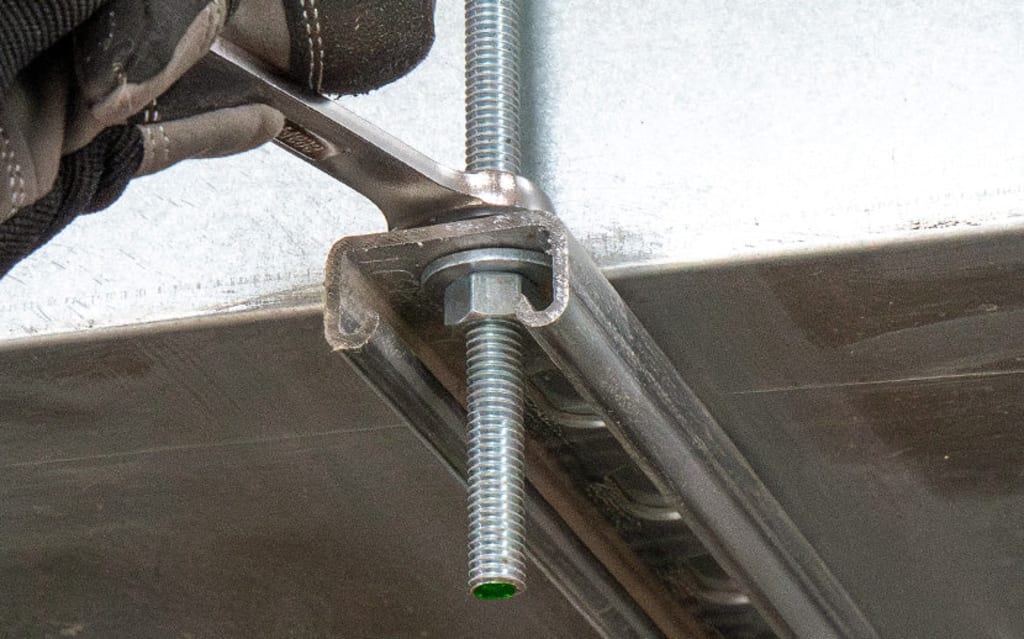
Hanger Rod – The HVAC and fire protection term for rods used to suspend ductwork and piping
Anchor Rod – Used in civil and structural applications for concrete anchoring
Screw Rod – Another general term for the same product
Regardless of what you call it, the function remains the same: continuous threading for flexible, reliable fastening solutions.
Threaded Rod vs. Bolt: What's the Difference?
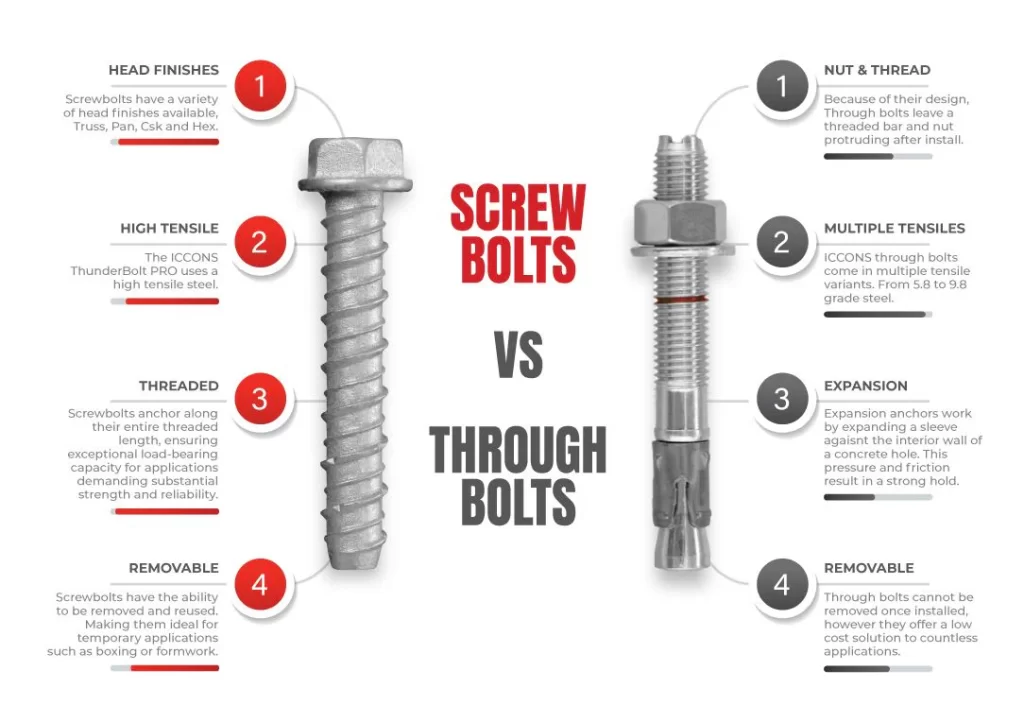
One of the most common questions people ask is how a threaded rod differs from a bolt. Here’s the breakdown:
| Feature | Threaded Rod | Bolt |
|---|---|---|
| Head | None | Has a formed head |
| Threading | Full length (or partial at both ends) | Partial, with a plain shank under the head |
| Length | Can be cut to any length; sold in long stock lengths (3ft, 6ft, 9ft, etc.) | Fixed length |
| Use Case | Suspension, anchoring, tensioning, long-span fixings | Clamping two components together with torque |
| Versatility | Nuts and washers can be added from either end | Limited to the head end |
When to use a threaded rod instead of a bolt:
When you need extended reach or long-span fastening
When you’re suspending systems from ceilings (HVAC, piping, cable trays)
When you need to anchor into concrete or structural elements
When you require tensioning or support elements where versatile installation is needed
When you want to carry stock lengths and cut them on-site as needed
Types of Threaded Rod
Threaded rods come in several standard configurations, each suited to different applications.
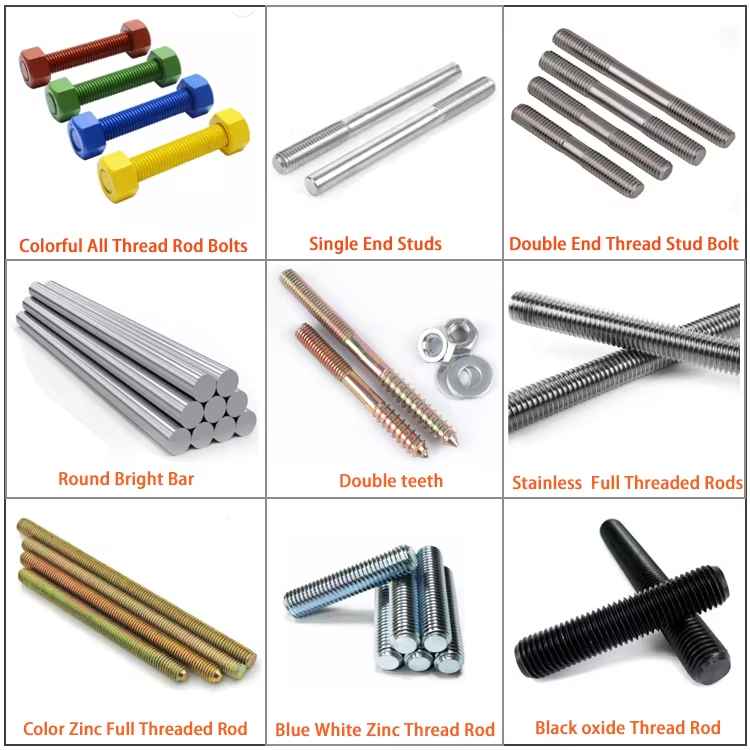
1. Fully Threaded Rod (All-Thread)
Threading runs along the entire length of the rod. This is the most common type, allowing nuts and fixings to engage at any point. It’s ideal for general anchoring, framework assembly, and support suspensions.
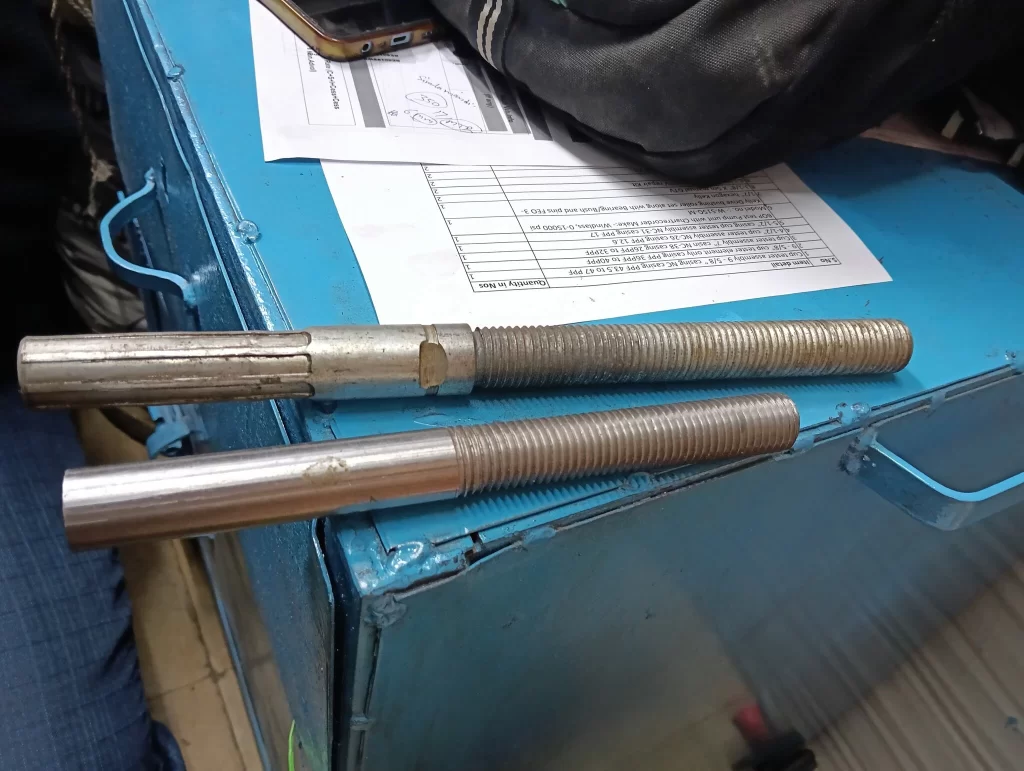
2. Double-End Threaded Rod
Threading is present at both ends, with a smooth, unthreaded centre section. The threaded segments are typically of equal length at both ends. This design increases shear strength in the middle section and is commonly used in automotive assemblies and industrial bolting.
3. Tap-End Studding
Similar to double-end rods, but the threaded portion is longer at one end than the other. The shorter end fits into tapped holes, while the longer end accepts nuts. Preferred in engines, turbines, and high-pressure fittings.
4. Hollow Threaded Rod
Hollow along its full length, with openings at both ends. This allows cables, wiring, or other components to pass through the body of the rod. Popular in aerospace, lighting installations, and specialist applications where weight reduction matters.
5. Fine Threaded Rod (Fine Pitch)
Threads are thinner and closer together than standard (coarse) varieties. Fine threads provide greater tensile and shear strength and are less likely to loosen under vibration. They’re often used in precision applications and high-stress environments.
Threaded Rod Materials and Finishes
The material and finish you choose determine the rod’s strength, corrosion resistance, and suitability for different environments.
Common Materials
Carbon Steel – Durable and affordable, commonly used in indoor or protected environments. General-purpose grades like A307 are widely used for construction and support work.
Stainless Steel – Offers high corrosion resistance. Grade 304 (A2) handles indoor environments, mild outdoor exposure, and freshwater contact. Grade 316 (A4) is marine-grade, resistant to salt, chemicals, and harsh industrial exposure.
Alloy Steel (High-Tensile) – Provides superior strength for structural supports and high-load systems. Grades like B7 are heat-treated for high-stress applications involving elevated temperature and pressure.
Brass – Conductive and corrosion-resistant, suitable for electrical and plumbing work.
Aluminium – Lightweight and corrosion-resistant, chosen for applications requiring low mass.
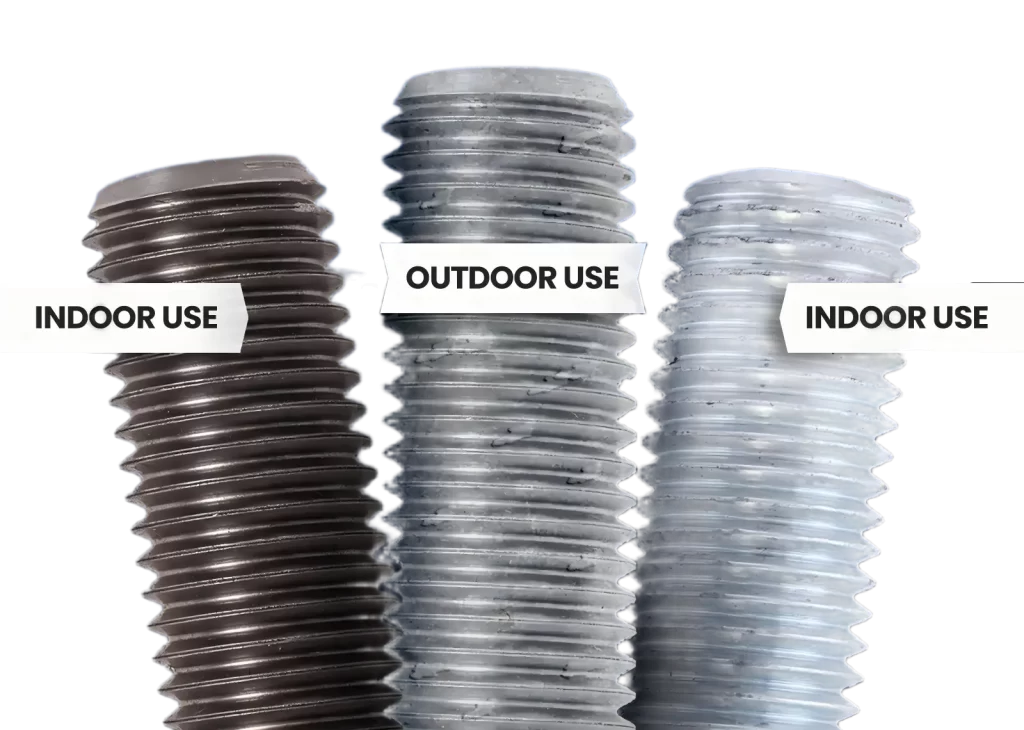
Common Finishes
Plain Finish (Uncoated) – Used when welding is involved or in dry, controlled environments.
Zinc-Plated – Provides basic corrosion protection at a lower cost, suitable for indoor settings.
Hot-Dip Galvanised (HDG) – Offers maximum corrosion resistance for harsh weather and outdoor use.
Threaded Rod Strength Grades Explained
Threaded rods are classified by strength grades that indicate their tensile and yield strength. Understanding these grades is critical for selecting the right rod for your load requirements.
Metric Strength Classes
| Grade | Description | Typical Application |
|---|---|---|
| 4.6 | Mild steel, general purpose | Light-duty indoor applications |
| 4.8 | General-purpose carbon steel | Basic construction and support |
| 8.8 | Medium carbon steel, quenched and tempered | Structural applications, high-strength fastening |
| 10.9 | Alloy steel, heat-treated | High-stress structural applications |
| 12.9 | Alloy steel, highest strength grade | Extreme load conditions |
Stainless Steel Grades
| Grade | Identification | Characteristics |
|---|---|---|
| A2 (304) | Green colour coding | 18% chromium, 8% nickel. General-purpose stainless |
| A4 (316) | Sometimes called Marine Grade | Enhanced corrosion resistance for marine and chemical environments |
ASTM Standards
| Grade | Description |
|---|---|
| A307 | General-purpose carbon steel for construction and support work |
| B7 | High-strength alloy steel for high-temperature and high-pressure applications |
| F1554 (Grades 36, 55, 105) | Designed for concrete anchoring; higher numbers indicate greater tensile strength |
Key takeaway: Always match the strength grade to your application’s load requirements. Using a rod that’s too weak can lead to failure; over-specifying adds unnecessary cost.
Threaded Rod Applications Across Industries
Threaded rods are used wherever a fastener of greater length and rigidity is needed to secure two items together. Their applications span nearly every industrial and commercial sector.
Construction Industry
Threaded rods are extensively used for concrete anchoring, structural supports, steel fabrication, formwork, and seismic bracing. They can be embedded in concrete to anchor structural elements or used to hang heavy equipment from ceilings.
Automotive Industry
Used for engine mounts, suspension components, and custom automotive builds. Double-end stud rods are particularly common in automotive assemblies where balance and alignment are critical.
Electrical Industry
Threaded rods mount and support electrical panels, conduit, and cable trays. They suspend cable trays and trunking systems from ceilings.
Plumbing and HVAC
Used to secure pipes, fixtures, and suspend HVAC ductwork and piping systems. Hanger rods are the standard for suspending duct, air handling units, and sprinkler pipework.
Manufacturing and Production
Threaded rods secure parts together in manufacturing and production facilities. They’re used in assembly lines, equipment installation, and machinery maintenance.
Marine and Agricultural
Marine applications use stainless steel (especially Grade 316) for corrosion resistance in saltwater environments. Agricultural uses include equipment assembly and structural support.
Furniture and Fixtures
Used in the assembly of shelving, modular furniture, and joinery projects where stability matters.
Advantages of Threaded Rods
Versatility – Can be used in countless applications across multiple industries. The continuous threading allows for easy adjustments and secure fastening.
Customisable Length – Can be easily cut to size using common tools like hacksaws or angle grinders. Available in standard lengths with custom options available.
Ease of Installation – Simple to install with standard nuts and washers. No special preparation required.
Cost-Effective – Typically less expensive than specialised fasteners or custom components. Stock lengths reduce procurement costs.
Available in Multiple Materials and Finishes – Choose from carbon steel, stainless steel, alloy steel, brass, and aluminium, with finishes ranging from plain to hot-dip galvanised.
High Strength – Available in grades up to 12.9 for extreme load conditions.
How to Choose the Right Threaded Rod
Selecting the right threaded rod for your project requires considering several factors:
1. Load-Bearing Requirements – Determine the load the rod must support and choose the appropriate strength grade.
2. Environmental Conditions – Use stainless steel or hot-dip galvanised rods in wet, humid, or corrosive environments.
3. Length Needed – Consider whether standard lengths will work or if you need custom cutting.
4. Thread Type – Coarse threads (UNC) are most common and forgiving; fine threads (UNF) provide greater strength and vibration resistance.
5. Material Compatibility – Ensure the rod material is compatible with the nuts, washers, and other components you’ll be using.
6. Installation Method – Consider whether you’ll be anchoring into concrete, suspending from ceilings, or joining components.
Why Choose MYWAY Metal for Your Threaded Rod Needs?
When it comes to threaded rods, quality and reliability are non-negotiable. MYWAY Metal is a trusted name in the fasteners industry, offering a comprehensive range of threaded rods in multiple materials, grades, and finishes to meet the demands of any project.
What MYWAY Metal Offers:
Wide Selection – From Grade 4.6 to Grade 12.9, from carbon steel to stainless steel (A2 and A4), and from plain finish to hot-dip galvanised—MYWAY Metal has the threaded rod you need.
Custom Lengths – Need a specific length? MYWAY Metal provides custom cutting services to ensure you get exactly what your project requires.
Quality Assurance – Every threaded rod is manufactured to meet rigorous quality standards, ensuring consistent performance and reliability.
Competitive Pricing – MYWAY Metal delivers exceptional value without compromising on quality.
Expert Support – Not sure which threaded rod is right for your application? MYWAY Metal’s experienced team is ready to help you make the right choice.
Industries Served:
Construction and Civil Engineering
Automotive Manufacturing and Repair
Electrical and Plumbing Contractors
HVAC and Mechanical Services
Marine and Offshore
Agricultural Equipment
General Manufacturing and Fabrication
Ready to source high-quality threaded rods for your next project?
Contact MYWAY Metal today to discuss your requirements. Whether you need standard stock lengths or custom specifications, MYWAY Metal delivers the products and expertise you can count on.
MYWAY Metal – Your Trusted Partner in Fastening Solutions.
About Threaded Rod Packaging And Transportation
Packaging Materials
Choose materials with good moisture-proof, shock-proof, anti-corrosion and sealing properties, generally choose cartons, wooden boxes, plastic packaging and other materials.
Packaging Specifications
In compliance with relevant national standards and regulations, packaging specifications should be reasonably designed based on the size, weight, material, quantity, etc. of the product to avoid collisions and extrusions during transportation.
Packaging Form
There are two forms of single product packaging and batch packaging. Single product packaging is generally suitable for small batches of products, and batch packaging is suitable for large quantities of products.
Logo
Mark the product name, quantity, specifications, moisture-proof grade, shelf life and other information on the packaging.
Save
Avoid contact with toxic and flammable substances. The storage environment should be kept dry, ventilated, and clean. The storage location should be set up reasonably to avoid damage and contamination.
Transportation Method
It can be carried out through various modes of transportation such as road, railway, aviation, and sea transportation, among which road and sea transportation are the most common. We are close to Shanghai Port and Ningbo Port, most customers choose Shanghai Port. We pursue smooth transportation, avoid bumps and collisions, and do our best to ensure that products are delivered to customers in good condition and on time.
Temperature and Humidity Adjustment
Try to maintain a suitable temperature and humidity environment to avoid being affected by excessively high or low temperature and humidity, which may affect the quality and life of the product.
Safety Guarantee
Take necessary safety protection measures during transportation to avoid dangerous situations such as fires, explosions, accidents, etc., and ensure that they are not damaged or lost during transportation.
Insurance Requirements
In order to ensure transportation safety and improve transportation insurance coverage, you can purchase cargo transportation insurance when purchasing our high-value fastener products to avoid accidental loss or damage.
MYWAY Services
MYWAY strictly complies with the requirements of the ISO9001 quality certification system, strictly controls quality, implements it at every level, and assigns responsibilities to everyone to ensure the healthy operation of the comprehensive system of design, production, sales, and after-sales service. In order to strengthen communication with users, better provide users with high-quality products, and better serve users with the brand, we have made the following commitments:
1. Products are designed and manufactured in strict accordance with standards. We produce non-standard products according to the drawings provided by customers.
2. Pre-sales service
Serving customers: product introduction, answers to technical questions, and engineering-assisted design.
3. Sales service
1). The products are based on the needs of user orders, with quality and delivery time as the premise.
2). During the use of the product, our company regularly organizes technical and quality inspection service personnel to visit and solicit feedback from users on the quality, usage status, improvement opinions and other aspects of the product, so as to further improve product quality.
4. After-sales service
1). If users have any problems or information when using our products, please report them back to the company in a timely manner so that the company can properly handle and improve them so that our products can better meet your requirements.
2). If the product does not work properly or is damaged due to quality problems during the warranty period, our company will be responsible for free repair or replacement. If the product is damaged or does not work properly due to improper use by the user, our company can provide repair services. If users need it, our company can provide users with free pre-sales and after-sales technical consultation.
.After-sales service. Users are required to fill in the product service and quality feedback information form and make appraisal opinions in order to improve the quality of MYWAY products and services.
Frequently Asked Questions About Threaded Rod
Q: What is a threaded rod used for?
A: Threaded rods are used for fastening, anchoring, suspending, and tensioning in construction, automotive, electrical, plumbing, manufacturing, and many other industries. They secure wood, metal, and concrete structures and provide additional strength to supported structures.
Q: Can threaded rods be cut?
A: Yes. Threaded rods can be easily cut to length using tools such as hacksaws, angle grinders, band saws, or reciprocating saws.
Q: What's the difference between fully threaded and partially threaded rods?
A: Fully threaded rods have threads along their entire length, allowing nuts to engage at any point. Partially threaded rods have a smooth centre section, which increases shear strength in load-bearing applications.
Q: What grade of threaded rod should I use?
A: The grade depends on your application. For general-purpose indoor use, Grade 4.6 or 4.8 is sufficient. For structural applications, use Grade 8.8 or higher. For high-temperature or high-pressure environments, consider B7.
Q: Can threaded rods be used outdoors?
A: Yes, but only if made from corrosion-resistant materials like stainless steel (Grade 304 or 316) or hot-dip galvanised steel. Standard zinc-plated rods may rust when exposed to moisture.
Q: How do you connect two threaded rods together?
A: Coupling nuts (extension nuts) are the standard solution. One end of each rod is screwed into opposite ends of the coupling nut, securely joining and extending the line.
Q: What is the difference between a threaded rod and a stud bolt?
A: The terms are often used interchangeably. However, “stud bolt” typically refers to a double-end threaded rod with a plain centre section, used in flange connections. “Threaded rod” or “all-thread” usually means fully threaded along the entire length.
Q: How do you anchor threaded rod in concrete?
A: Common methods include epoxy anchoring (chemical adhesive), expansion anchors (wedge or sleeve types), and mechanical couplers.
Q: Do you need nuts and washers with threaded rod?
A: Yes. In most applications, nuts and washers (flat or lock) are used with threaded rod to secure objects from both ends and ensure stability under vibration or load.
Q: What's the strongest threaded rod grade?
A: Grade 12.9 offers the highest tensile strength among metric grades, followed by 10.9 and 8.8. Among ASTM grades, B7 and F1554 Grade 105 are high-strength options.
We’re professional bolt manufacturers and suppliers in China, specialized in providing high quality customized products with low price. We warmly welcome you to wholesale or buy discount bolt in stock here from our factory. Contact us for free sample.