
MYWAY Metal Screws – Wide Range, Great Value. Your China Fastener Manufacturer.
11+ Years Expertise | Professional Fastener Manufacturer | Standard & Custom Parts | DIN, ISO, ANSI Certified | Strong R&D | Ample Stock | Cost-Effective |
Professional Team | Serving 40+ Countries | Reliable Logistics
Hex Socket Screws
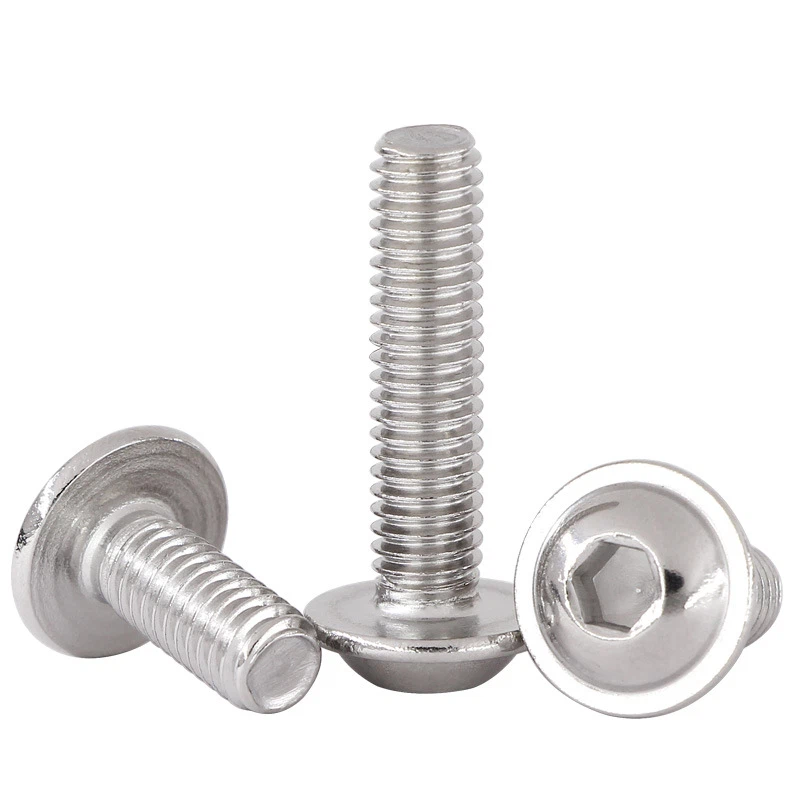
Hex Socket Button Head Screws With Collar ISO 7380 (-2)
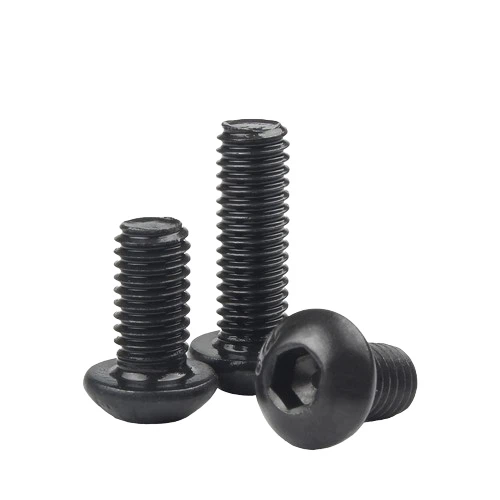
Hex Socket Round Head Screw DIN EN ISO 7380
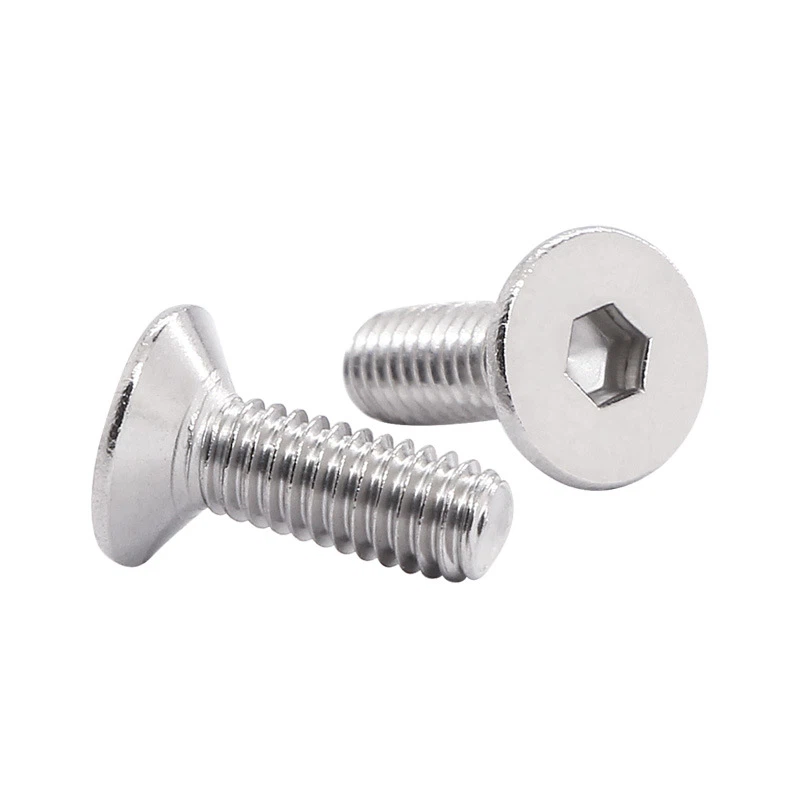
Hex Socket Countersunk Head Screw DIN 7991 SS/Stainless Steel
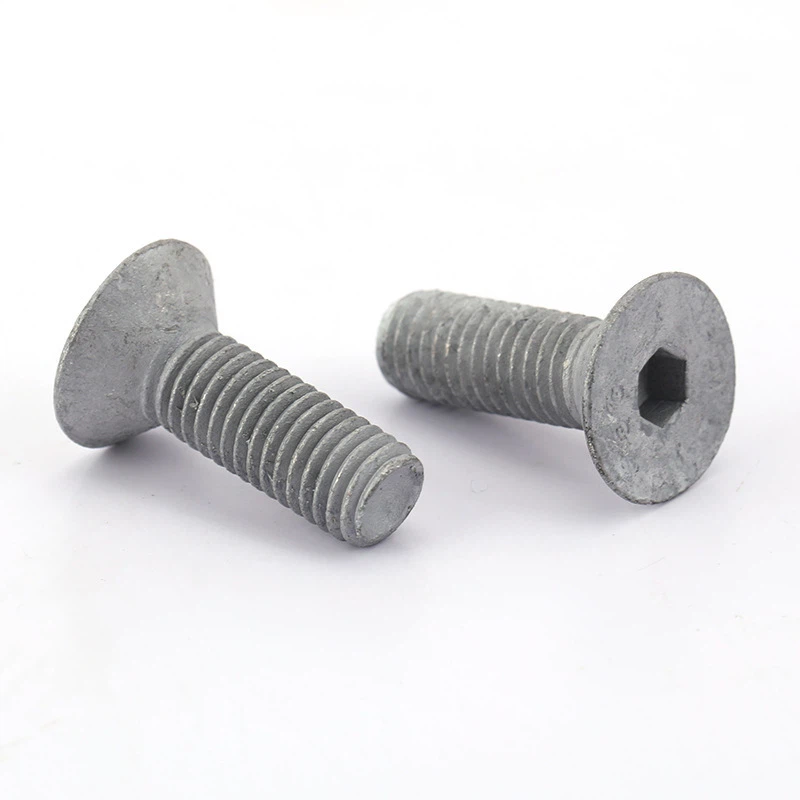
Hex Socket Countersunk Head Screw DIN 7991 HDG/Hot Dip Galvanized
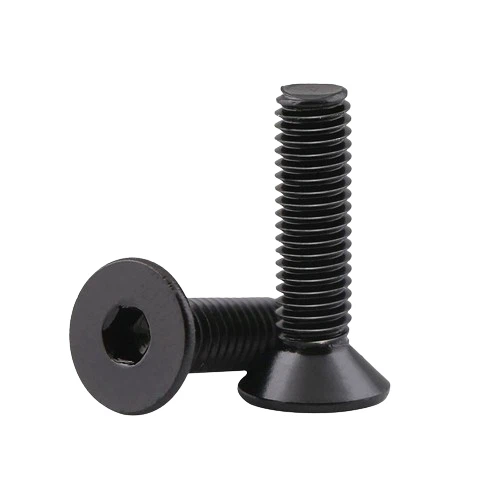
Hex Socket Countersunk Head Screw DIN 7991 Black
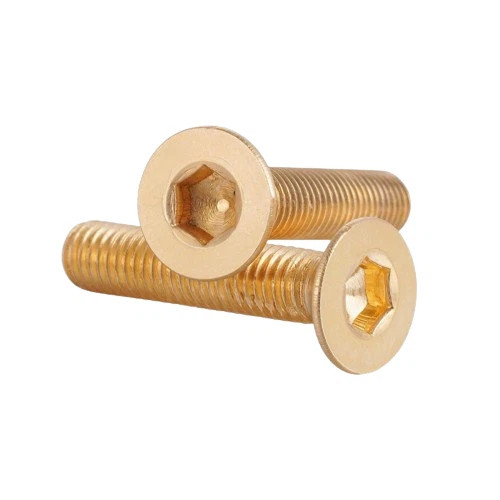
Hex Socket Countersunk Head Screw DIN 7991 Yellow Zinc/Color Zinc/Colour Zinc
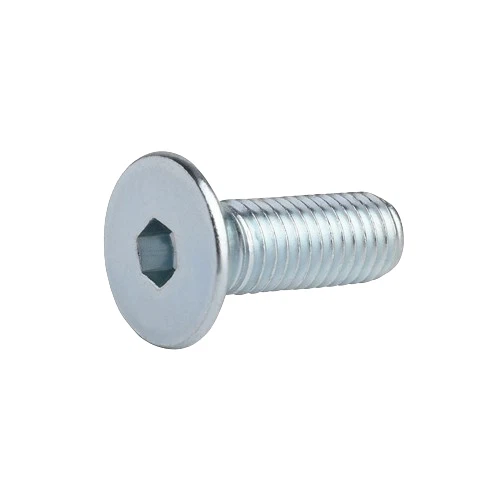
Hex Socket Countersunk Head Screw DIN 7991 ASME B 18.3 Zinc Plated/Bright Znic/Clear Zinc/Blue White Zinc
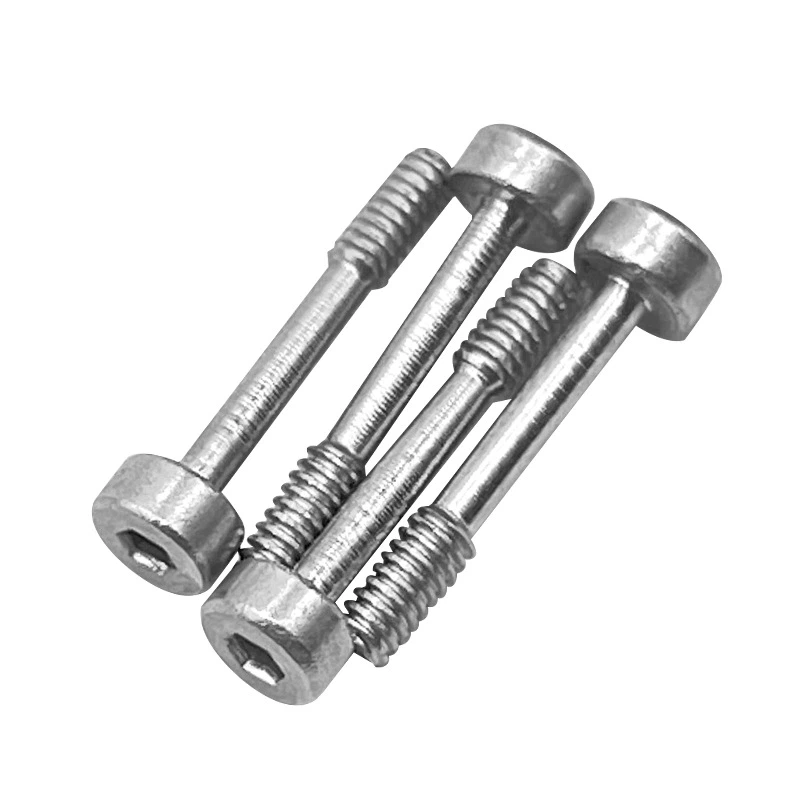
Hex Socket Head Cap Thin Screw DIN 6929 (EE)
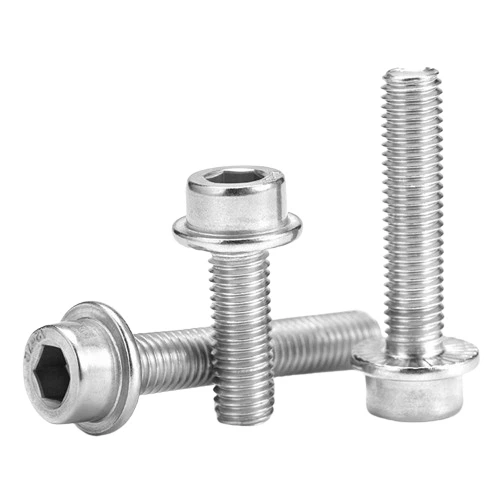
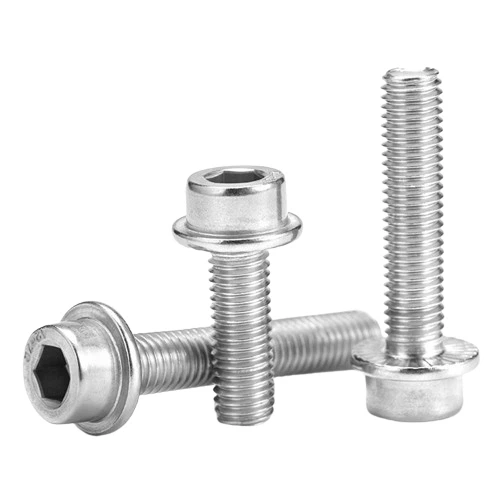
Hex Socket Head Cap Flange Screw DIN 251
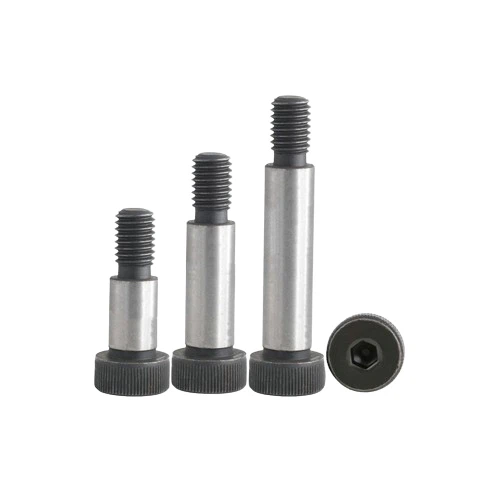
Hex Socket Head Shoulder Screw (Plug) ISO 7379
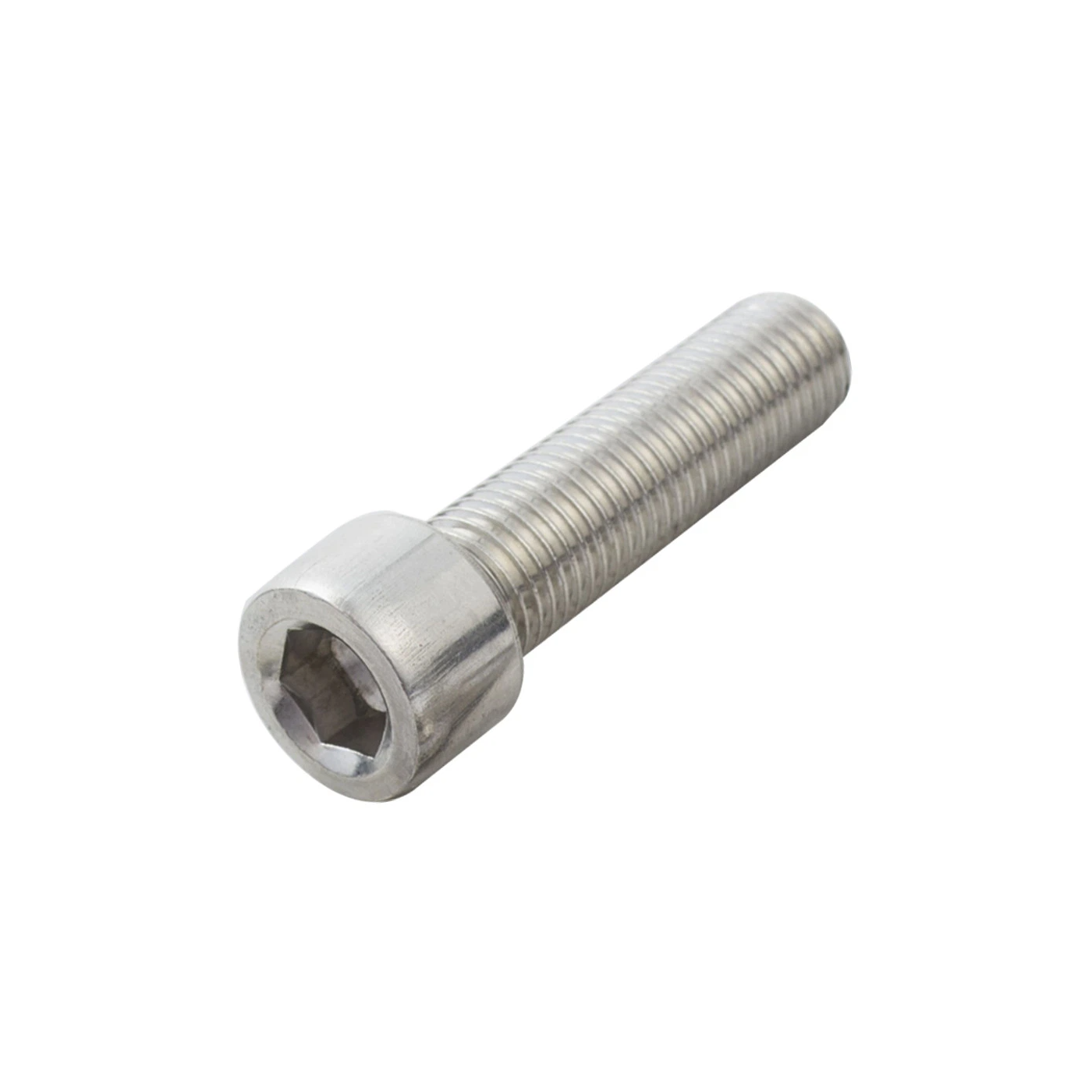
Hex Socket Head Cap Screw DIN 912 SS/Stainless Steel
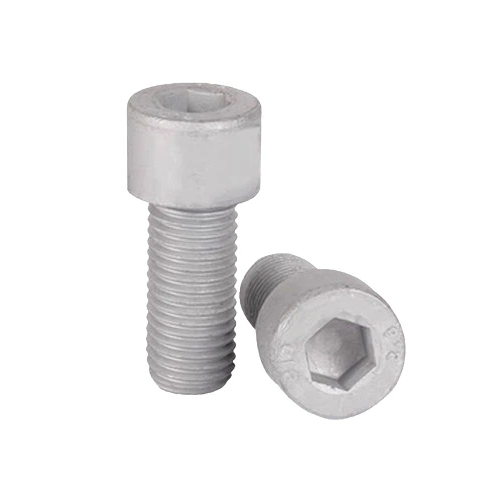
Hex Socket Head Cap Screw DIN 912 HDG/Hot Dip Galvanized
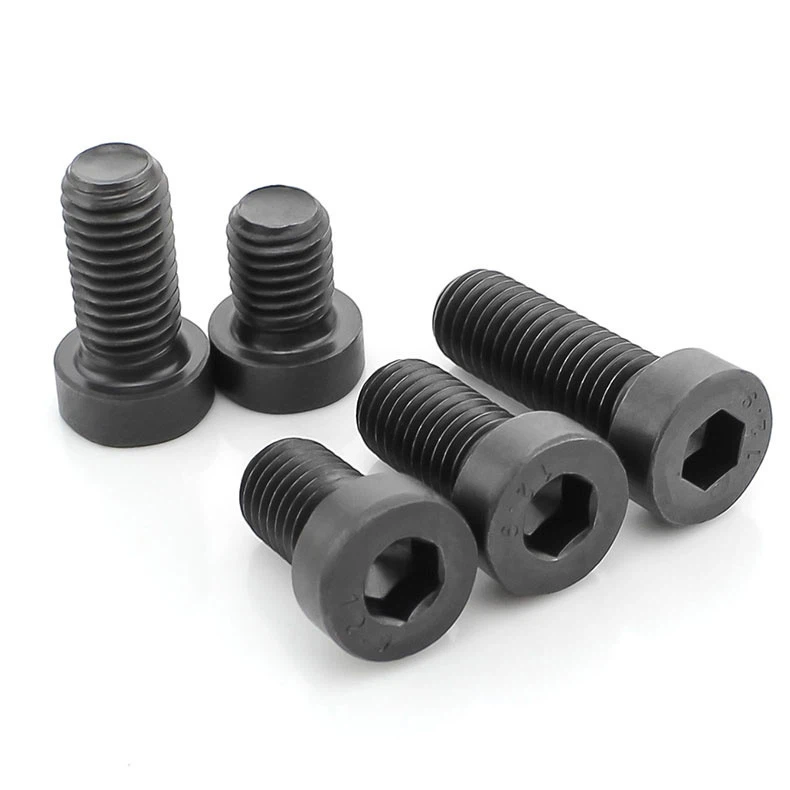
Hex Socket Head Cap Screw DIN 912 Black
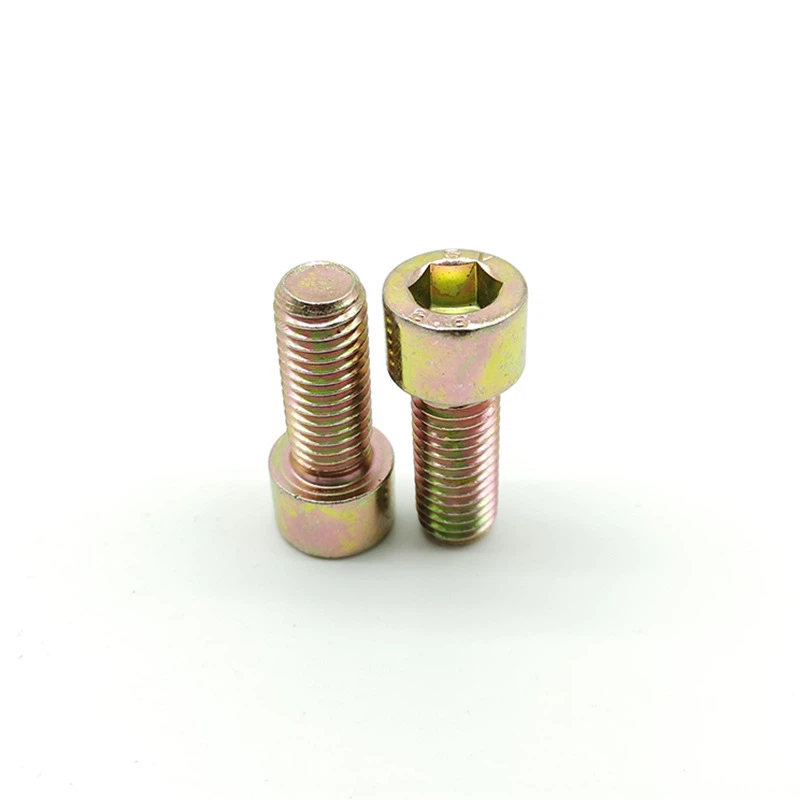
Hex Socket Head Cap Screw DIN 912 Yellow Zinc/Color Zinc/Colour Zinc
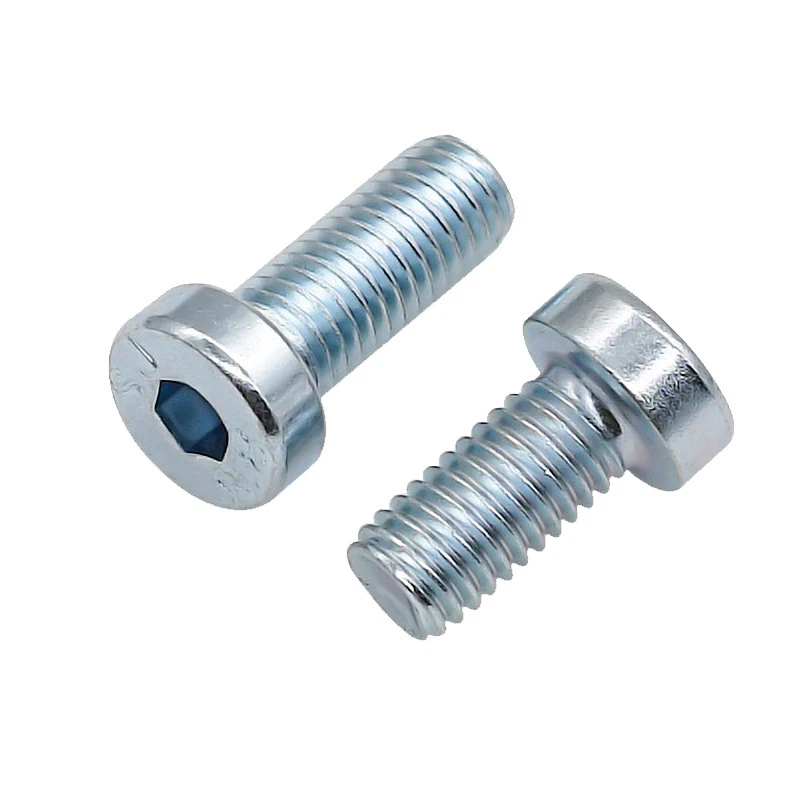
Hex Socket Head Cap Screw DIN 912 ASME B 18.3.1M Zinc Plated/Bright Znic/Clear Zinc/Blue White Zinc
If you’re looking for a sturdy and reliable fastener, consider using hex socket screws. These screws are designed with a hexagonal socket on the head, which allows for easy and secure tightening with a hex wrench.
The hex socket design offers several benefits over traditional screws with slotted or Phillips heads. For one, it provides greater torque and grip, so you can tighten the screw more securely and with less chance of slippage. Additionally, the socket design allows for easier access to tight spaces, making it a great option for construction and DIY projects.
What is Hex Socket Screws
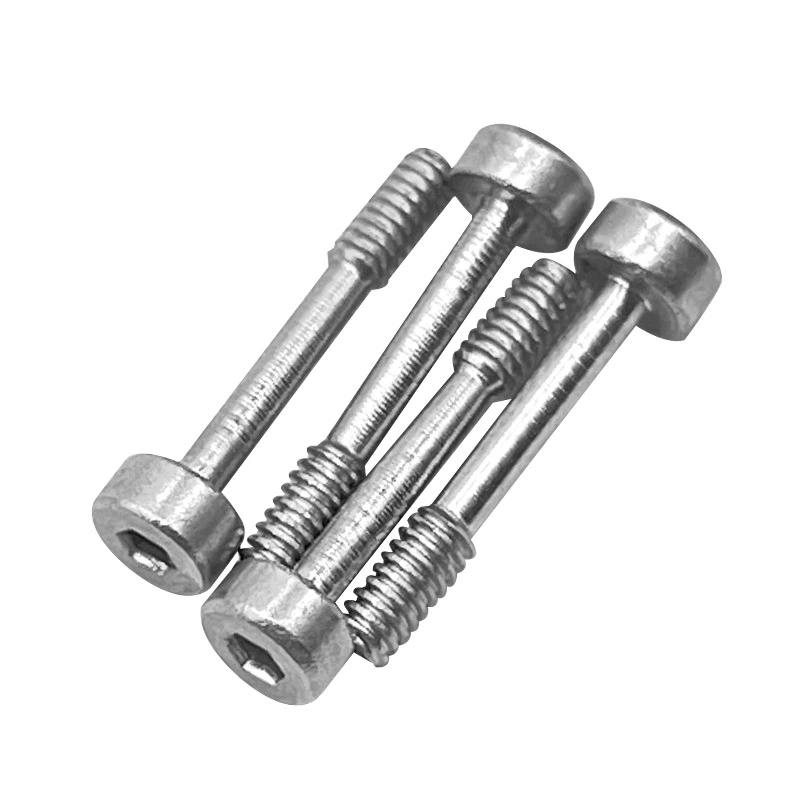
A socket head cap screw features a cylindrical head and a hexagonal recess. This specialised drive requires a hex wrench or Allen key to tighten or loosen the screw. Hex socket cap screws have threads along their length and can either be fully or partially threaded, depending on the application.
Advantages of Hex Socket Screws
Large load bearing:It has six force bearing surfaces, which are more capable of being screwed than slotted screws and cross screws, both of which only have two surfaces. For screws with large stress, hexagonal socket screws should be selected.
Countersunk treatment:The whole nut is sunk to the inside of the workpiece, which can keep the flatness and beauty of the workpiece surface.
Convenient installation:Compared with the outer hex socket head screw, the inner hexagon is suitable for more assembly occasions, especially narrow occasions. Therefore, it is very convenient for assembly and maintenance, as well as debugging.
Not easy to disassemble:A special wrench must be used to remove the hex socket bolt, so it is not easy for ordinary removing, which is also a benefit.
Why Choose US
Our Factory
Zhejiang Myway Co.,Ltd started in 2005, Main producing fastener products. With the continuous development of business, the company invested in tool products. Established Zhejiang Myway Co., Ltd in 2015 with a registered capital of 50 million R M B.
Our Product
The company is located in Jiaxing, Zhejiang. At present, it has 3 factories and hundreds of cooperative factories, so that our products can meet the needs of different customers. The current products cover fasteners, hand tools, power tools, hydraulic tools, pump valves and other auto parts and mechanical products. The products have involved steel, machine tools, textiles, chemicals, mining, electric power, machinery manufacturing and other industries.
Professional Team
The company has a professional sales team of nearly 50 people, providing customers with high-quality and comprehensive services before, during and after sales, and can provide standardized products and customized solutions at the same time.
Our Service
In order to provide customers with worry-free service, we listen to customers’ ideas wholeheartedly, and provide customers with a full range of services from product development, quality control, order follow-up and after-sales service.
Types of Socket Head Cap Screws
Socket head cap screws – Deep hex recess and thick side walls make these the strongest of the socket screw line with the highest preload ratings. This is one of the most common socket screws you will find.
Low head socket cap screws – Head height 50% lower than traditional socket cap screw. Great fit where the use of a traditional socket head cap is unable to be used due to height restrictions. Since the head height is reduced, maximum preload is much less and therefore not a direct substitution for traditional socket head cap screws.
Button head socket cap screws
Rounded head profile makes these an ideal candidate for safety use where other screws or bolts may snag clothing or other items on moving machinery.
Flat head socket cap screws
Flat head screws are countersunk and expose none of their head above the mating surface. These are often used for assembling close tolerance machinery where head height is critical.
Socket set screw
Socket set screws are designed to be used where permanent or adjustable locations of components on shafts is required.
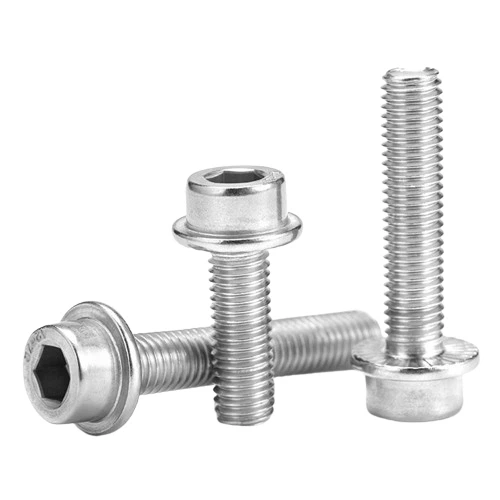
Socket Head Cap Screw Dimensions
The dimensions are crucial to the functionality and compatibility with the corresponding hex head cap screw components. Hex head cap screw dimensions are typically defined by these elements
Thread size: This is the diameter of the screw’s shank. Hex socket screw sizes reflect this dimension. For example, you can get an m3, m4, m5, and m6 socket head cap screw, etc. In metric. Imperial size examples include #6-32, #8-32, and #10-24.
Length: This is the distance from underneath the screw head to the end of the threaded portion. Note: This is the case whether we’re talking about machine screws, hex socket screws, long socket screws, and even extra-long socket screws, which are used as wall socket screws.
Head diameter: The diameter of the screw head.
Head height: This is the distance from the top of the head to the bottom of the socket.
Socket depth: This is the depth of the socket in the head of the screw.
The Production Standard of Hexagon Socket Head Screws
The production standard of hexagon socket head screws depends on whether it is the national standard, german standard, british standard, american standard, etc. Each standard is different.
Take the national standards, for example, the standards of hexagon socket head screws include grade 8.8 hexagon socket head screws for half teeth gb 5782, grade 8.8 hexagon socket head screws for full teeth gb 2783, and grade 8.8 hexagon socket head screws gb 70-85 din912.
All product sizes in production must comply with relevant standards, and the product quality of each screw must comply with the certification of the quality standard system iso 9001-2000. Therefore, the manufacturer must produce stable and reliable products. Moreover, the standard gb 70-85 din912 for grade 8.8 hexagon socket head screws requires that the tensile strength of the hexagon socket head screws produced by the manufacturer must be higher than 640mpa, and the standard gb 2076 for grade 4.8 hexagon socket head screws requires that the tensile strength of the hexagon socket head screws produced by the manufacturer must be 320mpa, the diameter of the thread gauge m4 must be equal to or less than 7mm, and the minimum diameter must be greater than 6.7mm.
Socket Screw Materials
There are many different materials used in the manufacture of socket screws. The most common materials are steel and stainless steel but alternatives include brass, aluminium, black nickel, zinc-plated and chrome socket screws. The ideal material to choose will depend on the specific application where the socket screw will be used.
Aluminium socket screws
Aluminium socket cap screws are often preferred for applications in which weight is a key consideration. This might include applications ranging from the automotive industry through to uses such as installing hardware and trim on moveable furniture, cabinets, doors and windows.
Despite only being around one third the weight of steel, aluminium is durable and tends to have lower shear strength. While aluminium offers decent performance in terms of corrosion resistance in more challenging environments, it is less hardwearing than stainless steel.
Zinc or nickel plated steel socket screws
The primary reason why so many steel socket cap screw sets are available with zinc or nickel plating options is for the superior corrosion (rust) resistance this simple manufacturing process can offer screws of all types.
Combined zinc-nickel plating is generally considered to be a tougher coating (up to twice the hardness) when compared to standard zinc plating, and it can also deliver up to four times the corrosion resistance of other metallic coating processes. However, it is typically more expensive, and may not be considered a cost-effective option in many applications where standard galvanised steel socket screws would suffice.
Brass socket screws
Brass socket cap screws might often be preferred for their aesthetic value, but as an alloy of copper and zinc, brass or brass-tipped socket screws may offer further advantages in certain situations. Brass is stronger than copper alone, although it will still be considerably less rigid than most varieties of steel or stainless steel socket screws.
However, it’s also worth noting that brass plating will be less resistant to corrosion than solid brass socket screws. If the product will be used in an exposed location or outdoor application, solid brass socket screws are the preferable option.
Can Screws Be Reused
Material and quality
The material and quality of a screw play a significant role in determining its reusability. High-quality screws made of durable materials, such as stainless steel, are more likely to withstand repeated use without compromising their integrity. Lower-quality screws, on the other hand, may strip, bend, or break after one or a few uses.
Installation method
The way the screw is installed can also impact its reusability. Screws that are properly driven into place with the correct tools and techniques are less likely to sustain damage during removal, making them easier to reuse. However, if a screw is over-tightened, driven at the wrong angle, or installed with excessive force, it may become difficult to remove without causing damage.
Wear and tear
Over time, screws can experience wear and tear from repeated use, exposure to the elements, or the natural aging process. This wear and tear can lead to the degradation of the screw’s threads, weakening its grip and making it more prone to stripping or breaking. Screws that show signs of significant wear and tear are not recommended for reuse.
Removal method
The way a screw is removed can also affect its reusability. If a screw is removed correctly, without excessive force or damage to the surrounding material, it may still be in good condition for reuse. However, if a screw is forcibly removed or removed using improper tools, it may sustain damage that renders it unusable.
How to Choose Hex Cap Screws
Material
While they all feature a hexagonal head, hex cap screws are available in different materials. Steel is a common material from which they are made. With that said, there are different types of steel, each of which has different characteristics. Some hex cap screws are made of a2 steel, whereas others are made of traditional stainless steel or high-carbon steel.
Size
There’s no such thing as a one-size-fits-all hex cap screw. Like with other screws, hex cap screws must feature the right size for the hole in which they are used. If a hex cap screw is too big, it won’t fit. If it’s too small, it will remain loose. Therefore, you should consider the size when choosing them.
Pay attention to the diameter and the length when choosing hex cap screws. The diameter represents the distance across the widest portion of the threaded shank, whereas the length represents the distance from the head to the end of the shank.
Standards
When shopping for hex cap screws, you should check to see what, if any, standards they meet. Hex cap screws are available in different standards. There are organizations that create and manage design specifications for hex cap screws. The international organization for standardization (iso) and sae international, for instance, have standards for hex cap screws. Each standard has strict design requirements that hex cap screws must adhere to.
Thread type
Something else to consider when choosing hex cap screws is the thread type. Hex cap screws are available in coarse and fine thread. Those with coarse thread have a larger thread pitch, making them ideal for applications in which quick assembly and disassembly are required.
Hex cap screws with fine thread have a smaller thread pitch, which allows for stronger thread engagement. They offer increased resistance to loosening due to vibrations and are commonly used in metal-to-metal applications.
Cap Screws Vs. Socket Screws
Cap screws
Cap screws, also known as hex head screws or hex bolts, are a widely used type of fastener known for their distinctive hexagonal-shaped head. These screws are designed to be tightened or loosened with a wrench, providing a high degree of torque for applications that require a tight and secure fit. Here are some key characteristics of cap screws:
Head type: Cap screws have a large, flat head with a hexagonal indentation on top. This design allows for easy and precise application of torque, making them suitable for heavy-duty applications.
Thread type: Cap screws typically feature full threads along their entire length, ensuring a strong grip when fastening materials together.
Common applications: Cap screws are commonly used in construction, machinery, automotive, and industrial applications where a strong, reliable connection is required. They are also frequently used in structural applications due to their robust design.
Materials: Cap screws are available in a wide range of materials, including steel, stainless steel, brass, and more, making them suitable for various environmental conditions and requirements.
Socket screws
Socket screws, also known as allen screws or socket head screws, have a unique cylindrical head with a recessed hexagonal socket. Instead of using a traditional wrench, socket screws require an allen wrench or hex key for installation and removal. Here are some key characteristics of socket screws:
Head type: Socket screws have a cylindrical head with a hexagonal socket (also known as an allen socket) in the center. This design provides a sleek and low-profile appearance.
Thread type: Socket screws typically feature partial threads, leaving an unthreaded shank portion between the head and the threaded section. This design allows for precise adjustment of the screw’s depth within the material.
Common applications: Socket screws are popular in applications where aesthetics, a low-profile design, or access to tight spaces are crucial. They are commonly used in electronics, machinery, automotive, and aerospace industries.
Materials: Similar to cap screws, socket screws are available in a variety of materials to accommodate different environmental and strength requirements.
Key differences
Now that we’ve explored the characteristics of both cap screws and socket screws, let’s summarize the key differences between the two:
Head design: Cap screws have a large, flat hexagonal head, while socket screws have a cylindrical head with a hexagonal socket.
Installation tool: Cap screws require a wrench for installation, whereas socket screws require an allen wrench or hex key.
Thread type: Cap screws typically have full threads, while socket screws often feature partial threads.
Applications: Cap screws excel in heavy-duty and structural applications, while socket screws are favored in applications requiring a low-profile design or access to tight spaces.
Choosing between cap screws and socket screws depends on the specific requirements of your project. Cap screws offer robustness and high torque capabilities, making them ideal for heavy-duty applications. On the other hand, socket screws provide a sleek appearance and excel in applications where a low-profile design or access to tight spaces is necessary.
FAQ
Q: What is the difference between socket screws and hex screws?
A: Head Design: Cap screws have a large, flat hexagonal head, while socket screws have a cylindrical head with a hexagonal socket. Installation Tool: Cap screws require a wrench for installation, whereas socket screws require an Allen wrench or hex key.
Q: What is a hex screw?
A: A hex-head screw has a hexagonal-shaped head thatcan be tightened with a spanner or socket. Hex-head screws are screws with a hexagonal-shaped head that can be tightened with a wrench (spanner) or socket, which engages with the external faces of the hex head.
Q: Where are hex screws used?
A: Hex head bolts are designed to secure objects within or against other objects for a non-loosening hold. Applications for a hex bolt include fastening steel to steel, wood to wood, and other materials found on construction for projects such as highway structures, bridges, and buildings.
Q: Are hex head screws better?
A: In general, hex head cap screws are a little more refined and precise than hex bolts. They have tighter tolerances across the board, no matter the size of the part. For example, the minimum body diameter for a ¼” nominal size hex head cap screw is 0.245” and the maximum is 0.250” — a 0.005” difference.
Q: What is another name for a hex screw?
A: Hexagon head screws — also called hex screws, hex socket screws and hex head cap screws — have a six-sided head and preformed machine threads on the shank, or shaft. You might have seen hex screws abbreviated as HH or HX, depending on the manufacturer or retailer.
Q: What do you use to tighten a hex screw?
A: An Allen wrench is a compact, angled tool with a hexagonal head used to fix or tighten various small items or screws. It’s occasionally known as a hex wrench or hex key.
Q: What is a hex socket set screw?
A: Hexagon Socket Set Screws are used to bind two objects together by threading into one object and exerting pressure on the other object. Such as a shaft collar or gear onto a drive shaft. Socket Set Screws are available with different tips on them which provide different locking capabilities.
Q: What is the difference between a hex screw and an Allen screw?
A: But this article is aimed to help you figure out the difference between an Allen wrench and a hex key. The short answer is “there is no difference”. These two names can be used interchangeably.
Q: What are the advantages of socket screws?
A: Some of the advantages of socket screws include: Socket screws are very versatile and can be used in a wide range of applications. They are very strong and can handle large amounts of torque without stripping or breaking. Socket screws are well-suited to environments where access space is limited, such as in machinery.
Q: Are hex screws self tapping?
A: Hex Head Self Drilling Screws have a drill point that create their own hole and thread in one action. Commonly used for HVAC duct, clips and brackets, carports, sheds, garages, steel framing, fencing and general construction.
Q: What is the difference between a hex bolt and a hex screw?
A: The main difference is that a hex bolt is meant to have a hex nut tightened onto it, while a cap screw is meant to be threaded into a tapped hole and tightened by turning its head.
Q: Are socket head screws stronger?
A: Standard socket head cap screws typically supply higher tensile strength, better yield strength, and more shear strength than equivalent sizes of hex head cap screws; yet they require less counter-bore because they are internally wrenched.
Q: What is a socket screw?
A: Socket screws are a type of screw designed and manufactured with a hexagonal (hex) internal drive built into the head. As such, they are intended to be tightened and loosened with an Allen wrench or hex key, as opposed to a traditional screwdriver.
Q: What are the advantages of socket screws?
A: Some of the advantages of socket screws include: Socket screws are very versatile and can be used in a wide range of applications. They are very strong and can handle large amounts of torque without stripping or breaking. Socket screws are well-suited to environments where access space is limited, such as in machinery.
Q: What is the main advantage of using a hexagonal socket head cap screw?
A: Socket head cap screws are designed with a hexagonal internal drive in the head, allowing them to be tightened and loosened with an Allen key. They offer advantages such as higher torque and clamping force compared to regular screws, reducing the number of screws needed in an application.
Q: When to use socket screws?
A: Common Applications: Socket screws are popular in applications where aesthetics, a low-profile design, or access to tight spaces are crucial. They are commonly used in electronics, machinery, automotive, and aerospace industries.
Q: Are socket head screws stronger?
A: Standard socket head cap screws typically supply higher tensile strength, better yield strength, and more shear strength than equivalent sizes of hex head cap screws; yet they require less counter-bore because they are internally wrenched.
Q: What are the applications of socket screws?
A: Applications vary, depending on the dimensions of the socket countersunk head cap screw. For instance, the shorter variety are ideal for light-duty applications that need a strong joint. Otherwise, you’ll find these screws used in the automotive industry, industrial equipment, fixings and electronic applications.
Q: What are socket set screws used for?
A: Set screws are sometimes called setscrews, socket set screws, or grub screws. They are a type of threaded fastener, most often used for securing components in place. This generally means affixing two or more loose parts to one another, for example by holding one component tightly against (or inside) a second surface.
Q: Which is better Allen bolt or socket head cap screw?
A: The primary advantage of Allen bolts is that they are perfect if you have a bolt that’s down inside a narrow opening. You can stick the Allen key down into the hole and do up the bolt. A socket cap screws are machine screws with a cylindrical barrel-shaped head containing a hexagonal socket.