
MYWAY Metal Nuts – Wide Range, Great Value. Your China Fastener Manufacturer.
11+ Years Expertise | Professional Fastener Manufacturer | Standard & Custom Parts | DIN, ISO, ANSI Certified | Strong R&D | Ample Stock | Cost-Effective |
Professional Team | Serving 40+ Countries | Reliable Logistics
Square Nuts
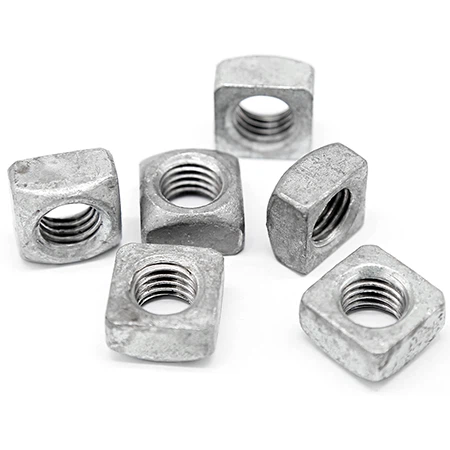
HDG Square Nut DIN562 Hot Dip Galvanised
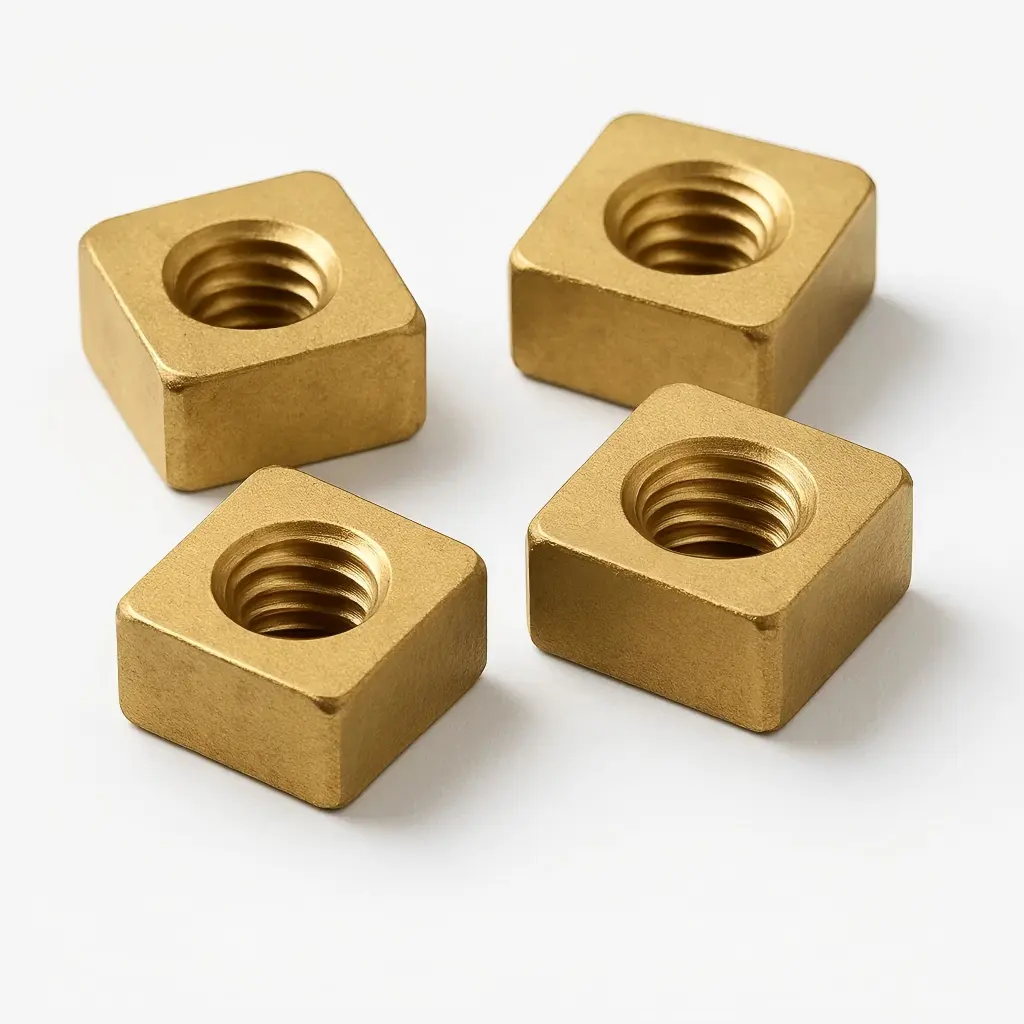
Square Nuts
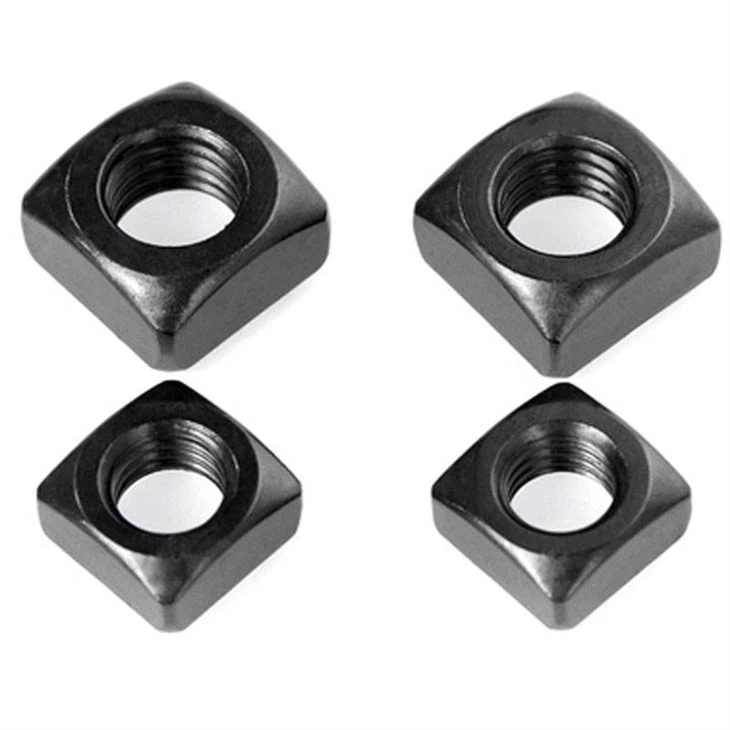
Black Electrophoresis Square Nut DIN562
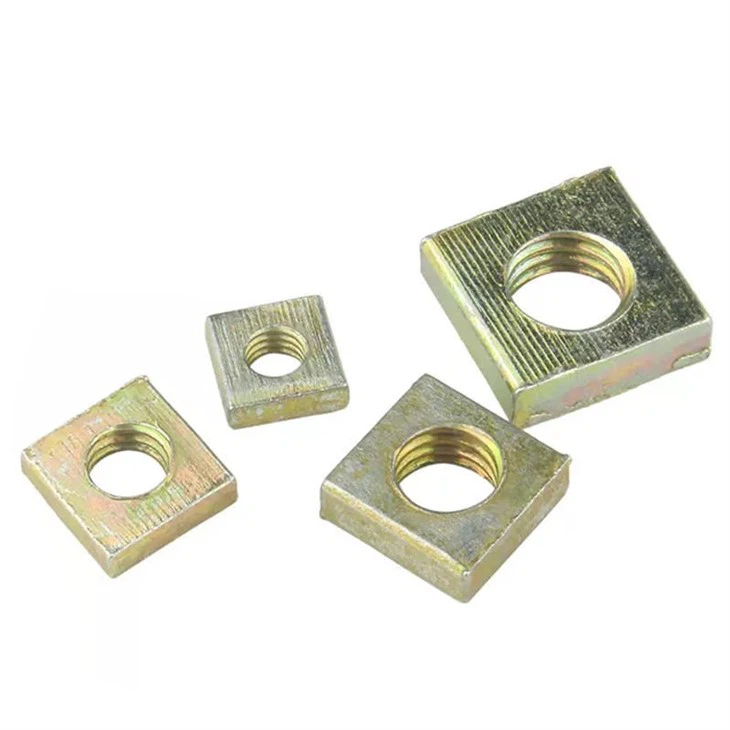
Colour Zinc Square Thin Nut DIN562
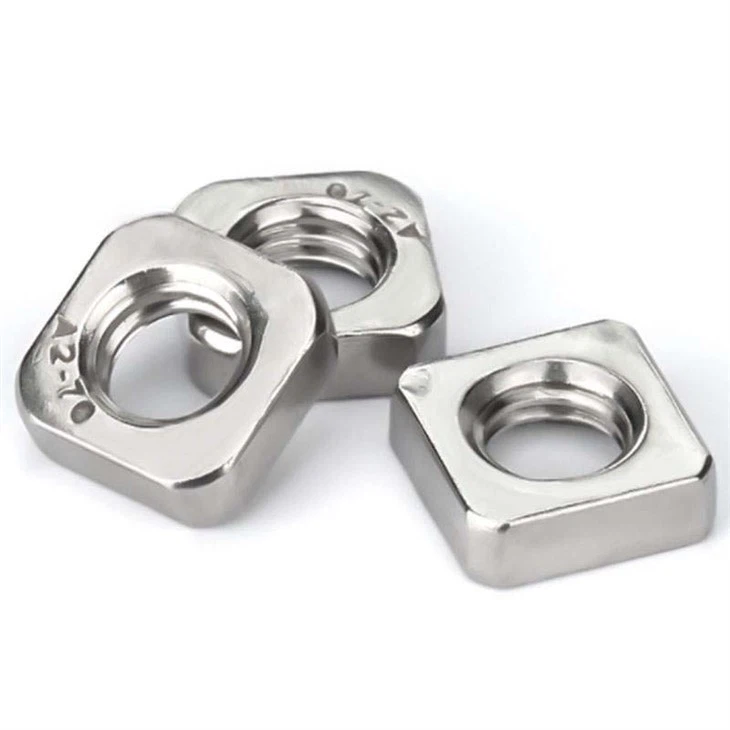
Stainless Steel Square Thin Nut DIN562
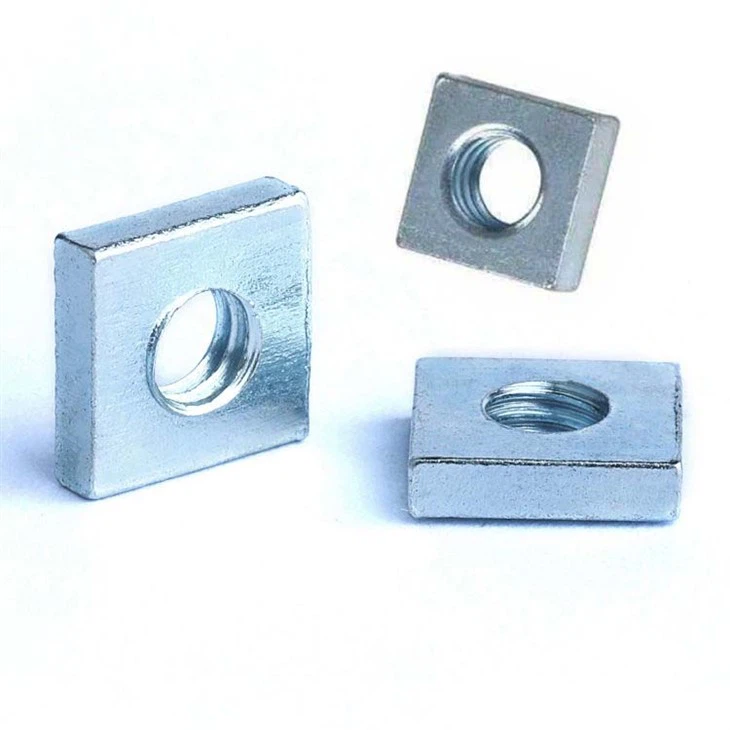
Zinc Plated Square Thin Nut DIN562
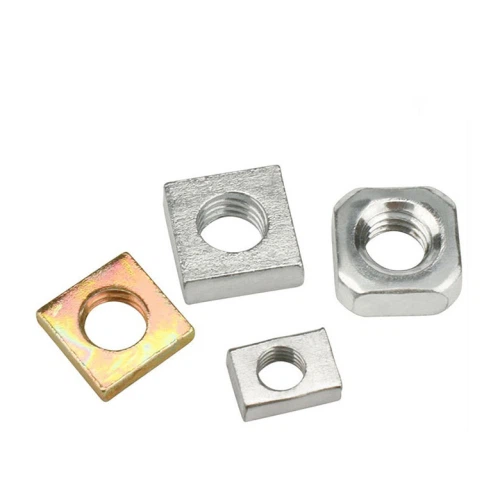
Square Nut DIN562
Square nut, as the name suggests, its shape is square. It can also be called square nut, the standard is DIN557. Made of carbon steel and stainless steel.Square nut is a kind of welding nut. Welding this method is to melt some metal at high temperature and weld it in the middleof two products to play a fastening role. The fastening effect of this connection will be very good and will not be easy to loose.
Standards provided: DIN,BSANSI/ASME/ASTM/,ISO,EN,GOST etc.
Diameter range : M5-M16
Grades:4, 5, 6, 8, 9, 10.etc
Raw Materials : Carbon steel, stainless steel, alloy steel, brass,nonferrous metals, etc.
What Is a Nut?

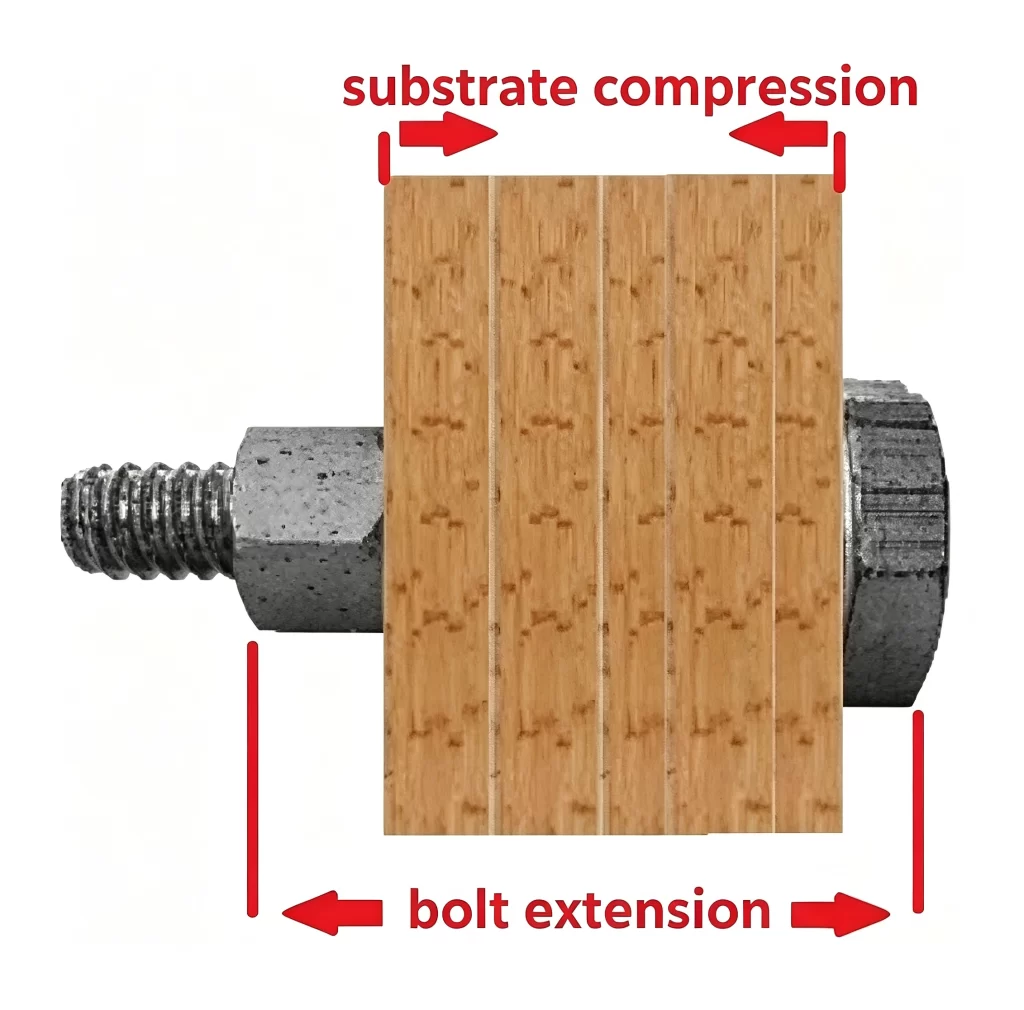
A nut is a mechanical fastener with a threaded hole. It is attached to a bolt, screw or stud to provide a clamping force and prevent axial movement. For example, a bolt is inserted through two parts, with aligned holes, and a nut is then screwed onto the bolt.Nuts are almost always used in conjunction with a mating bolt to fasten multiple parts together. The two partners are kept together by a combination of their threads’ friction (with slight elastic deformation), a slight stretching of the bolt, and compression of the parts to be held together.
Nut Production Process
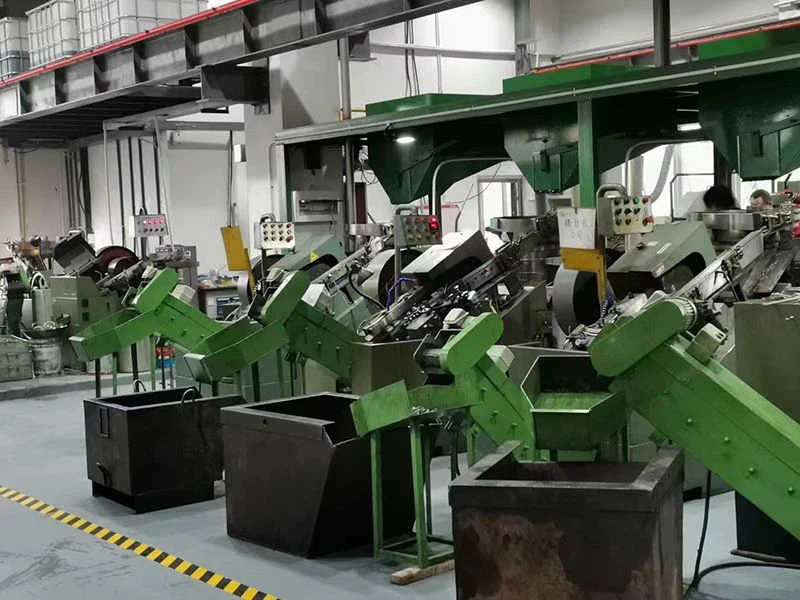
The manufacturing process of nuts involves several steps. It begins with the selection of raw materials like steel, stainless steel, or brass, depending on the desired type of nut. The chosen material undergoes heating to make it more malleable, followed by forming or forging processes to create the basic shape of the nut. Threads are then cut or formed onto the nut using specialized machinery. After threading, nuts may undergo additional treatments such as heat treatment or surface finishing to enhance their strength, durability, or appearance. Quality control checks are performed throughout the manufacturing process to ensure that the nuts meet industry standards and specifications.


Types And Applications Of Nuts
A wide variety of nuts exists, from household hardware versions to specialized industry-specific designs that are engineered to meet various technical standards. Fasteners used in automotive, engineering, and industrial applications usually need to be tightened to a specific torque setting, using a torque wrench. Nuts are used for many different applications and so there are a wide variety of different types. Some of these include:
Hex Nut
Have six-sided outer diameters, which is the optimal compromise between torque angle and footprint size.The hexagonal nut is mainly used in conjunction with bolts and screws to connect fasteners. According to the nominal thickness, they are divided into three types: type I, type II and thin type. Nuts above grade 8 are divided into two types: type I and type II. Type I nuts are divided into three grades: A, B and C.
Application occasions:Among them, grade A and B nuts are suitable for machines, equipment and structures with small surface roughness and high precision requirements, while grade C nuts are used for machines, equipment or structures with rough surfaces and low precision requirements.Type II hexagonal nuts are thicker and are mostly used in situations where assembly and disassembly are often required.


Hex Thin Nut
Are thin hex nuts that are run tight against a non-locking nut, preventing nut loosening.Hex thin nuts are an important component in various industries, including automotive, aerospace, construction, and manufacturing. These nuts have a smaller height than regular hex nuts, making them ideal for applications where space is limited.
One of the primary uses of hex thin nuts is in the automotive industry, specifically in engine components. They are used to fasten various parts of the engine, including the cylinder head, exhaust manifold, and flywheel. The aerospace industry also utilizes hex thin nuts in aircraft components, such as landing gear and control surfaces.
In construction, hex thin nuts play a critical role in securing building materials like steel and timber. They are widely used in construction sites to fasten beams, angles, and brackets. Additionally, hex thin nuts are also used in manufacturing processes to secure machine parts and equipment.
Application occasions:hex thin nuts have a diverse range of applications, thanks to their compact size and strength. They are a vital component in various industries, making them essential for modern-day manufacturing and construction.
Hex Flange Nut
Have an enlarged circular base with a serrated face. This distributes load and prevents loosening.Also known as padded nuts, toothed nuts, hexagonal flange nuts, flange nuts, etc., its dimensions and specifications are the same as those of hexagonal nuts, except that its gasket and nut are integrated, and there are anti-slip teeth underneath. The grooves increase the surface area of contact between the nut and the workpiece. Compared with the combination of ordinary nuts and washers, the anti-loosening performance is stronger.
Application occasions:It is mainly used to connect two pipes or between pipes and equipment. Because of its good sealing performance, it is mostly used on pipe connections or workpieces that require an increased nut contact surface to ensure the firmness and sealing of the connection. It can withstand high pressure and high temperature and prevent leakage and loosening.


Long Hex Nut
Are long hex nuts used to join two threaded bolts or rods end-to-end. These are available without the hex profile.
Application occasions:Long hex nuts are an essential component in various applications of mechanical and industrial systems. They are widely used in construction, machinery, automotive, and many other industries. Here are some applications of long hex nuts:
1. Threaded Rods: Long hex nuts are used with threaded rods to create a tight and secure connection between different objects or components.
2. Piping Systems: Piping systems require long hex nuts to prevent leaks and ensure the stability of pipes. They also help to facilitate easy maintenance and repairs.
3. Structural Applications: Long hex nuts provide structural integrity and support when used in beams, columns, and other load-bearing applications.
4. Electrical and Electronic Applications: Long hex nuts are utilized in electrical and electronic applications to secure wire connections and prevent vibration or movement.
In conclusion, long hex nuts are versatile fasteners that offer a wide range of benefits in various applications. They are an important component that ensures proper functioning and stability of mechanical and industrial systems
Square Nut
Have four-sided outer diameters for enhanced torque.Because the shape is square, it is also called a square nut, also called a square nut or square nut.Square nuts are nuts designed in the uncommon square pattern. Compared to standard hex nuts, these nuts offer greater resistance to loosening or tightening resistance due to a larger contact area with the fastened part. Unlike other nuts, these nuts are less likely to become rounded once loosened or tightened, retaining their square shape.
Application occasions:The square nut is a kind of welding nut, which uses high temperature to melt a certain metal and then weld it between two products to tighten it.The fastening effect of this kind of connection will be very good and will not loosen easily. It is widely used in road transportation, home building materials and other industries. Covering almost all fields of fastener needs, it is one of the common mechanical fasteners.Square nuts are also often used with bolts featuring square heads and are used in conjunction with flat washers to avoid damage to sharp edges.


Nylon Lock Nut
Utilize a bolt-tappable plastic thread insert that holds the nut tight.
Application occasions:One common application for nylon lock nuts is in the automotive industry, where they are used to secure parts that are subject to constant vibration and movement. They are also popular in the construction and aerospace industries for similar reasons.
One of the benefits of nylon lock nuts is their ability to resist corrosion and rust, making them ideal for use in outdoor and marine applications. They are also easy to install and can be reused multiple times.
Overall, nylon lock nuts are a reliable and cost-effective solution for securing components in high-stress environments where traditional nuts may not provide sufficient grip and stability.
All Metal Lock Nut
All-metal lock nuts are essential components in various mechanical assemblies and machinery. These nuts offer supreme holding power and prevent loosening caused by vibration or external forces.
Application occasions:The application of all metal lock nuts have become increasingly popular in a variety of industries including automotive, aircraft, and construction. These nuts provide superior locking performance compared to traditional nylon locking nuts by relying on a metal-to-metal contact to secure the fastener. This ensures that the nut will not loosen under extreme conditions such as vibration, high temperatures, or pressure. All metal lock nuts are also resistant to chemicals and corrosion, making them an ideal choice for applications in harsh environments. With these benefits, it’s no surprise that all metal lock nuts have become a popular choice among engineers and manufacturers alike.


Cap Nut
This type of nut is closed at one end with a smooth-domed top.As the name suggests, the cap nut is a hexagonal nut with a cover. The main function of the cover is to prevent the exposed part on the outside of the fastener from being covered, so as to prevent moisture or other corrosive substances from entering inside and thus play an anti-rust role, thereby improving its own and The age of the connector. Different sizes of studs use cap nuts of different sizes, and extra-long studs use taller cap nuts. There are also self-locking cap nuts that have twisted threads in the hexagonal area to create a tight friction fit to prevent the nut from loosening due to vibration.
Application occasions:Cap nuts serve the same purpose as hex nuts. Its characteristic is that the main nut is not easy to slide, but it can only be tightened with an adjustable wrench, a dead wrench, a dual-purpose wrench (open part) or a special square hole socket wrench.It is mainly used for rough and simple parts, such as tires and front and rear axles of cars, tricycles, electric vehicles, etc. It can also be used to fix the base of road light stands and some mechanical equipment that are often exposed to sunlight and rain.
Wing Nut
Are tightened by hand with two flanges extruding from the outer diameter.Wing nuts are a type of nut with a unique shape, and the protruding curvature of the head resembles a beautiful butterfly. Wing nuts not only look good, but also have great functional applications.Generally speaking, wing nuts can be divided into cold heading wing nuts, cast wing nuts and stamped wing nuts according to their different processing techniques. According to their shapes, they can be divided into square wing wing nuts and round wing wing nuts. a basic shape.
Application occasions:The butterfly nut does not require other tools when used. It is specially designed to facilitate hand-tightening operations. The butterfly-shaped design of the head increases the lateral stress surface, making hand-tightening more efficient. It is mainly used in medical equipment, wind energy, electricity, For equipment that requires frequent disassembly and maintenance such as aerospace, office equipment, petrochemical industry, electronic communications, and shipbuilding industries.


Round Nut
Are cylindrical in shape with slots on the outer diameter for tightening.
Application occasions:Round nuts are commonly used in many industrial and mechanical applications. They are versatile fasteners that can be used to secure and tighten bolts, screws, and other threaded components. Here are some of the common applications of round nuts:
1. Automotive industry: Round nuts are widely used in vehicles for securing wheel hubs, engine components, suspension parts, and other assemblies.
2. Construction industry: Round nuts are used in construction for connecting structural beams, bolts, and other components.
3. Electrical industry: Round nuts are used in electrical installations for securing cables, conduits, and other equipment.
4. Aerospace industry: Round nuts are widely used in aircraft construction for securing critical components and assemblies.
5. Machinery industry: Round nuts are used in the manufacturing of machinery, such as conveyor systems, power transmission machinery, and pumps.
Slotted Nut
Also known as a castle nut, is a specialized type of nut commonly used in mechanical assemblies. It features slots cut into the top surface, allowing for the insertion of a pin or cotter pin. This prevents the nut from becoming loose and ensures that the assembly remains secure.Slotted nuts mainly refer to hexagonal slotted nuts, that is, slots are machined above the hexagonal nuts. It is used in conjunction with screw hole bolts and cotter pins to prevent the bolts and nuts from rotating relative to each other, see GB6178~6181, etc.Its function is to be used in conjunction with bolts with holes in the rods and insert cotter pins to prevent loosening.
Application occasions:Fix the front and rear axles of the vehicle by tightening the screws passing through the front and rear wheel axles to fix the frame and tires together. In order to prevent the nuts from loosening, a cotter pin must be used to fix it through the slot of the slotted nut, and the cotter pin must be fixed in the slot. The nut must pass through the middle of the axle screw.In practical applications, slotted nuts can be used to connect various mechanical parts, such as bearings, gears, couplings, etc.


Weld Nut
Designed to be welded to another object.
Application occasions:The application of weld nuts is widespread in various industries, such as automotive, aerospace, and construction. These nuts provide a fast and easy way to create threaded connections without the need for drilling or tapping holes. They can be welded onto metal sheets, tubes, or plates, and then serve as a base for attaching bolts, screws, or other fasteners.
Weld nuts come in different types and sizes, including round, hex, square, and flanged shapes, depending on the specific application requirements. They are made of various materials, such as carbon steel, stainless steel, brass, and aluminum, which offer different strength, corrosion resistance, and cost characteristics.
The advantages of using weld nuts include increased productivity, reduced labor costs, improved safety, and better joint reliability. By eliminating the need for separate drilling and tapping operations, weld nuts save time and money and enable faster assembly times. They also minimize the risk of operator injury or tool damage and ensure tight and secure connections that withstand external forces and vibrations.
Overall, the application of weld nuts is a practical and efficient way to enhance the quality and efficiency of metal fabrication and assembly processes. With the right selection and installation, weld nuts can contribute to the success and competitiveness of various industries.
Rivet Nut
Also known as blind rivet nuts, are installed by compressing a threaded insert into a pre-drilled hole, expanding the threads to anchor the nut in place. They are extremely useful for applications that may require frequent disassembly or when welding or tapping is difficult or impossible.
Application occasions:Insert nuts are nuts that provide a socket for a fully threaded screw intended to address all purposes of woodwork, similar to wall anchors. Insert nuts are inserted into pre-drilled holes in one of two ways: either threaded in or hammered in. In both cases, an external protrusion is observed to bite into the wood, directly or indirectly preventing the nut from turning or pulling out. Insert nuts have advantages over other types, like barrel or T-nuts, as they can be installed from any side of the workpiece.


T-Nut
A long, thin body with a T-shaped flange at one end which digs in, leaving a flush surface.A nut that looks like a T to prevent parts from loosening and rotating during installation. T-nuts also come in diamond, square and other shapes. Polished T-nuts without threads are called slim-waisted bolts, which are beneficial to connections subject to variable forces. There are special high-strength bolts on the steel structure, the heads will be larger and the sizes will also change.
Application occasions:It is easy to install and uninstall, and it is easy to install parts at any position, which can greatly improve labor productivity. This is also the reason why T-type nuts can be widely used in the T-type slots of various milling machines.
Cage Nut
Are square nuts inside a folded metal cage that can be compressed and released for incremental adjustment.Cage nuts, also commonly known as captive or clip nuts, consist of square nuts encased in a spring steel cage. They are responsible for keeping the nut secured in a specific position behind a hole whenever looseness is detected. These nuts were introduced in 1952 and 1953.
Application occasions:Installation of cage nuts initially required a tool to insert them into holes. More recent designs feature a push-and-release mechanism for tool-less installation. Square-hole cage nuts, suitable for locations where square holes are easily accessible, are also a type of captive nut. They use a spring clip to hold the nut in place and allow slight adjustments for alignment. The size of the spring steel clip determines the thickness of the panel the nut grips onto.


Spring Nut
Used with strut to join things to the open face thereof. The grooves in its face engage the lips of the open side of the strut channel, while the spring pushes against the opposite side, to hold the nut in place.
Application occasions:Spring nuts are a vital component in many applications, and they can be found in various industries, such as the automotive, construction, and electronics industries. These nuts enable secure, fast, and easy installation of bolts and screws without having to rely on a cumbersome and time-consuming method. In the automotive industry, for example, spring nuts are crucial for the efficient and safe assembly of car parts, while in the construction industry, they play a vital role in the installation of HVAC systems and electrical systems. Overall, spring nuts are a versatile and indispensable application that facilitates the assembly process in many different industries.
K Lock Nut
The K lock nut has a series of “teeth” or indentations around its circumference that provide a solid grip on the bolt or stud it is securing. When tightened, the teeth on the nut dig into the surface of the mating thread, creating a tight and secure fit. This design makes it ideal for high-stress applications where traditional nuts would quickly come loose.
Application occasions:The design of K lock nuts makes them ideal for use in various industries, including automotive, aerospace, construction, and power generation.One of the most significant advantages of using K lock nuts is that they ensure the safety and durability of the application they are used in. For instance, if K lock nuts are used in automotive applications, they can help prevent wheels from coming loose while driving. In the aerospace sector, K lock nuts are essential in ensuring the structural integrity of aircraft during take-off and landing.
Another benefit of using K lock nuts is their ease of use. These nuts can be easily installed and removed manually, without the need for special tools. This makes them a popular choice for many industries that require fast and easy installation or replacement of nuts.

What is the production unit of nuts?
Manufacturers produce nuts in both imperial and metric units, and due to their explicit correspondence with bolts and studs, the units cannot be mixed. Furthermore, nuts are produced with fine or coarse threads which is a designation of the nut’s thread pitch–not the quality of the product. Coarse-thread nuts are less susceptible to galling, thread crossing, and seizing, while fine-thread nuts are less likely to loosen from jostling, and are more easily tapped and adjusted.
Imperial
For imperial sizes, nut producers will provide a designated number or fractional inch for the dimension of the nut. North American countries follow this system, called the Unified Thread Standard. Also included will be a “threads per inch” (TPI) count which will indicate a course or fine thread.

Additionally, nuts are sometimes given a tolerance class, which indicates their precision in an assembly. Class 1B threads are loose fitting for easy assembly and dirty arenas. Class 2B is the most common thread class, and is designed for maximum strength with common precision. Class 3B provides the least assembly tolerance.
Metric
Metric units are designated by the ISO 261: metric screw thread; it is the most common screw thread in the world. These nuts will have diameters and thread pitches in millimeters

There are five possible tolerances for metric nuts, which are rated by the numbers 4–8. A nut with a ‘6g’ tolerance is the most common, with lower values indicating less tolerance, and high values indicating more tolerance for space between the nut and bolt threads.
Dimensions Of Standard Nuts
Metric hex nuts

Nominal hole | Pitch, | Across flats, | External | Height, | ||||||
1st choice | 2nd choice | Coarse | Fine | ISO | DIN | JIS | Hex nut | Jam nut | Nylon nut | |
1 | 0.25 | 2.5 | ||||||||
1.2 | 0.25 | |||||||||
1.4 | 0.3 | |||||||||
1.6 | 0.35 | 3.2 | ||||||||
1.8 | 0.35 | |||||||||
2 | 0.4 | 4 | 1.6 | 1.2 | – | |||||
2.5 | 0.45 | 5 | 2 | 1.6 | – | |||||
3 | 0.5 | 5.5 | 6.4 | 2.4 | 1.8 | 4 | ||||
3.5 | 0.6 | 6 | ||||||||
4 | 0.7 | 7 | 7 | 7 | 8.1 | 3.2 | 2.2 | 5 | ||
5 | 0.8 | 8 | 8 | 8 | 9.2 | 4 | 2.7 | 5 | ||
6 | 1 | 0.75 | 10 | 10 | 10 | 11.5 | 5 | 3.2 | 6 | |
7 | 1 | 11 | 5.5 | 3.5 | – | |||||
8 | 1.25 | 1 | 13 | 13 | 12 | 15 | 6.5 | 4 | 8 | |
10 | 1.5 | 1.25 or 1 | 16 | 17 | 14 | 19.6 | 8 | 5 | 10 | |
12 | 1.75 | 1.5 or 1.25 | 18 | 19 | 17 | 22.1 | 10 | 6 | 12 | |
14 | 2 | 1.5 | 21 | 22 | 19 | 11 | 7 | 14 | ||
16 | 2 | 1.5 | 24 | 24 | 22 | 27.7 | 13 | 8 | 16 | |
18 | 2.5 | 2 or 1.5 | 27 | 27 | 15 | 9 | 18.5 | |||
20 | 2.5 | 2 or 1.5 | 30 | 30 | 30 | 34.6 | 16 | 10 | 20 | |
22 | 2.5 | 2 or 1.5 | 32 | |||||||
24 | 3 | 2 | 36 | 41.6 | 19 | |||||
27 | 3 | 2 | 41 | 41 | ||||||
30 | 3.5 | 2 | 46 | 53.1 | 24 | |||||
33 | 3.5 | 2 | ||||||||
36 | 4 | 3 | 55 | 63.5 | 29 | |||||
39 | 4 | 3 | ||||||||
42 | 4.5 | 3 | ||||||||
45 | 4.5 | 3 | ||||||||
48 | 5 | 3 | ||||||||
52 | 5 | 4 | ||||||||
56 | 5.5 | 4 | ||||||||
60 | 5.5 | 4 | ||||||||
64 | 6 | 4 | ||||||||
SAE hex nuts
UTS size | Nominal hole | Pitch, P | Across flats, | Across corners, | Height, H | |||||||||||||||||||
Coarse (UNC) | Fine (UNF) | Extra fine (UNEF) | Hex nut | Jam nut | Nylon nut | |||||||||||||||||||
(in) | (mm) | (in) | (mm) | (in) | (mm) | (in) | (mm) | (in) | (mm) | (in) | (mm) | (in) | (mm) | (in) | (mm) | (in) | (mm) | |||||||
#0 | 5⁄32 | 0.1563 | 3.969 | |||||||||||||||||||||
#1 | 5⁄32 | 0.1563 | 3.969 | |||||||||||||||||||||
#2 | 0.086 | 2.1844 | 3⁄16 | 0.1875 | 4.763 | 5.18 | 1.65 | |||||||||||||||||
#3 | 3⁄16 | 0.1875 | 4.763 | 5.1 | 1.85 | |||||||||||||||||||
#4 | 0.112 | 2.8448 | 1⁄4 | 0.25 | 6.35 | 7.05 | 2.25 | |||||||||||||||||
#6 | 0.138 | 3.5052 | 5⁄16 | 0.3125 | 7.938 | 8.95 | 2.85 | |||||||||||||||||
#8 | 0.164 | 4.1656 | 11⁄32 | 0.344 | 8.731 | 0.386 | 9.8 | 3.05 | ||||||||||||||||
#10 | 0.19 | 4.826 | 3⁄8 | 0.375 | 9.525 | 0.461 | 11.7 | 3.1 | ||||||||||||||||
#12 | 0.216 | 5.4864 | 7⁄16 | 0.4375 | 11.113 | |||||||||||||||||||
1⁄4 | 1⁄4 | 0.25 | 6.35 | 7⁄16 | 0.4375 | 11.113 | ||||||||||||||||||
5⁄16 | 5⁄16 | 0.3125 | 7.9375 | 1⁄2 | 0.5 | 12.7 | 0.577 | |||||||||||||||||
3⁄8 | 3⁄8 | 0.375 | 9.525 | 9⁄16 | 0.562 | 14.288 | 0.65 | |||||||||||||||||
7⁄16 | 7⁄16 | 11⁄16 | 0.675 | 17.463 | ||||||||||||||||||||
1⁄2 | 1⁄2 | 0.5 | 12.7 | 3⁄4 | 0.75 | 19.05 | 0.866 | |||||||||||||||||
9⁄16 | 9⁄16 | 7⁄8 | 0.875 | 22.225 | ||||||||||||||||||||
5⁄8 | 5⁄8 | 15⁄16 | 0.9375 | 23.813 | 1.083 | |||||||||||||||||||
3⁄4 | 3⁄4 | 0.75 | 1+1⁄8 | 1.125 | 28.575 | 1.299 | ||||||||||||||||||
7⁄8 | 7⁄8 | 1+5⁄16 | 1.3125 | 33.338 | ||||||||||||||||||||
1 | 1 | 1 | 25.4 | 1+1⁄2 | 1.5 | 38.1 | 1.653 | |||||||||||||||||
Nut Operation
Most nuts require a rotational force around the bolt threads for application, though some nuts may be push-press or clip-on. No matter its application method, nuts hold components through the same mechanical property: the friction of the bolt and nut threads against one another, which is comprised of a slight stretch of the bolt from the compression resistance of the components being fastened, and a slight elastic deformation of the parts held together.
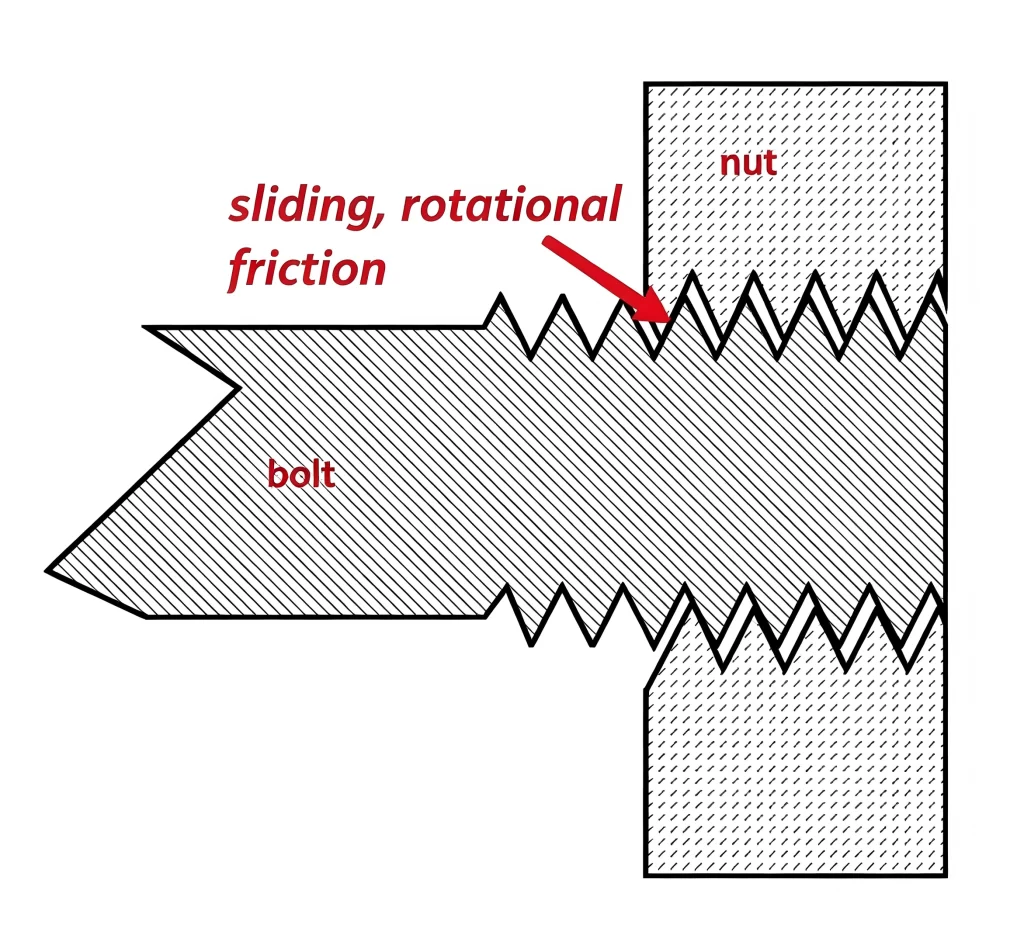
Nut Operation
Some nuts will employ a locking mechanism to maintain a nut’s position against the substrate for dynamic loads and vibration. Plastic inserts, misshapen threads, pins, or lockwire can all be used to lock a nut in place; nuts utilizing one of these methods are known as locknuts. In some instances, nuts of the same type–exerting different degrees of torque–can be used to secure nuts in position. Lock washers are another option for maintaining a nut’s place on a bolt. Adhesive thread lockers may be suitable as well.
Nut Material
Nuts are commonly made of metal, but other options are available.
Aluminum nuts are light, resistant to oxidation, thermal and electrical conducive, and easy to manufacture.
Brass nuts are strong, conductive, corrosion resistant, with low magnetic permeability.
Copper alloy nuts have good load capacity, wear resistance, and are suitable for dynamic loads.
Fiber-reinforced plastic nuts use industrial fabric reinforced urethanes. They are wear resistant.
Inconel®/Incoloy®metal nuts provide good strength and oxidation/carbonization resistance in high temperatures. They can be used in temperatures up to 1200° F.
Monel®nuts are made of a proprietary metal blend with resistance to chemicals and solutions.
Nylon nuts are made of a tough and resistant material. It has good pressure ratings.
Plastic nuts are inexpensive and corrosion resistant for light loads.
Polytetrafluoroethylene (PTFE) is an insoluble compound and PTFE nuts have durability and low friction.
Polyvinyl chloride (PVC) is inert and resistant to chemicals, and PVC nuts are flexible, smooth, and non-toxic.
Polyvinylidene fluoride (PVDF) nuts has less creep and better strength than other fluoropolymers, but is susceptible at high temperatures.
Rubber nuts are used in specialty applications requiring vibration and noise dampening.
Steel nuts are produced of strong, carbonated iron. Uncoated steel is vulnerable to corrosion.
Hardened steel relies on hardening methods to produce a stronger, but more brittle, version of steel.
Stainless steel nuts are chemical and corrosion resistant with an appealing finish. They cannot be hardened like carbon steel.
Titanium nuts are hard and strong, light, and corrosion resistant. When alloyed with other metals, it increases strength and durability.

What Are The Surface Treatments Of Nuts
Finishes applied to the base metal of the nut enhance the durability and corrosion resistance of the material.
- Black oxide finish does not enlarge the dimensions of the screw and is a processed black rust. It is mostly used for aesthetic purposes.
- Chrome coating is a bright, reflective finish that is decorative and very durable. It is applied via electropating.
- Zinc plated coatings act as a sacrificial anode, protecting the underlying metal. It is applied as a fine white dust.
- Other coatings like galvanization and phosphating are common for particular types of hardware, like screws meant for fence or window applications.

Precautions For Use And Maintenance Of Bolts
Nuts are a commonly used fastener, and proper maintenance and upkeep are crucial for their lifespan and stability.
Precautions for using nuts:
1.Matching problem between nut and bolt: The size and thread of the nut should match the size and thread of the bolt, otherwise it may cause the nut to loosen or break.
2.Insufficient pre tightening force: When installing the nut, it is necessary to ensure sufficient pre tightening force to ensure that the nut can be firmly fixed on the bolt.
3.Nut installation method: The correct nut installation method should be to first fix the bolt and then install the nut, otherwise it may cause the nut to loosen or fall off.

Maintenance and upkeep of nuts
The maintenance and upkeep of nuts includes cleaning, rust prevention, anti loosening, and other aspects. Cleaning is the first step in maintenance, and tools such as cleaning agents and brushes need to be used to remove impurities such as dirt and oxides from the surface of the nut. Rust prevention is a key aspect of maintenance, and nuts need to be stored in a dry, ventilated, and clean environment to avoid contact with moisture, acidic substances, etc., in order to prevent rusting and corrosion. Anti loosening is the last step of maintenance, and tools such as anti loosening agents need to be used to tighten the nut onto the fixed object to prevent it from loosening and falling off.
When carrying out maintenance and upkeep of nuts, it is necessary to pay attention to the following points:
1.Clean the surface of the nut: When carrying out maintenance and upkeep of the nut, it is necessary to use tools such as cleaning agents and brushes to remove impurities such as dirt and oxides from the surface of the nut.
Storage environment for nuts: The storage environment for nuts is also very important. It is necessary to store the nuts in a dry, ventilated, and clean environment to avoid contact with moisture, acidic substances, etc., in order to prevent rust and corrosion.
2.Tightening torque of nuts: During the maintenance and upkeep of nuts, it is necessary to use tools such as locking agents to tighten the nuts onto the fixed objects to prevent them from loosening and falling off.
3.Regular inspection of nuts: During the maintenance and upkeep of nuts, it is necessary to regularly check the use of nuts, and promptly detect and handle problems such as damage and looseness of nuts.
In short, the maintenance and upkeep of nuts is very important. It is necessary to use tools such as cleaning agents and brushes to remove impurities such as dirt and oxides from the surface of nuts; The storage environment for nuts requires a dry, ventilated, and clean environment; The tightening torque of the nut needs to be appropriate; Regular inspection of nuts requires timely detection and handling of issues such as damage and looseness of the nuts. Only proper maintenance and upkeep of nuts can ensure their service life and stability.
In addition, when carrying out maintenance and upkeep of nuts, it is also necessary to pay attention to the following points:
Prevent bolt slippage: When tightening the nut, it is necessary to pay attention to the tightening torque of the nut to avoid bolt slippage.
Avoid nut damage: When using nuts, it is necessary to pay attention to preventing nut damage and avoiding problems such as looseness and breakage.
Correct use of nuts: When using nuts, it is necessary to use them correctly to avoid problems such as looseness and breakage.
About Nut Packaging And Transportation
Packaging Materials
Choose materials with good moisture-proof, shock-proof, anti-corrosion and sealing properties, generally choose cartons, wooden boxes, plastic packaging and other materials.
Packaging Specifications
In compliance with relevant national standards and regulations, packaging specifications should be reasonably designed based on the size, weight, material, quantity, etc. of the product to avoid collisions and extrusions during transportation.
Packaging Form
There are two forms of single product packaging and batch packaging. Single product packaging is generally suitable for small batches of products, and batch packaging is suitable for large quantities of products.
Logo
Mark the product name, quantity, specifications, moisture-proof grade, shelf life and other information on the packaging.
Save
Avoid contact with toxic and flammable substances. The storage environment should be kept dry, ventilated, and clean. The storage location should be set up reasonably to avoid damage and contamination.
Transportation Method
It can be carried out through various modes of transportation such as road, railway, aviation, and sea transportation, among which road and sea transportation are the most common. We are close to Shanghai Port and Ningbo Port, most customers choose Shanghai Port. We pursue smooth transportation, avoid bumps and collisions, and do our best to ensure that products are delivered to customers in good condition and on time.
Temperature and Humidity Adjustment
Try to maintain a suitable temperature and humidity environment to avoid being affected by excessively high or low temperature and humidity, which may affect the quality and life of the product.
Safety Guarantee
Take necessary safety protection measures during transportation to avoid dangerous situations such as fires, explosions, accidents, etc., and ensure that they are not damaged or lost during transportation.
Insurance Requirements
In order to ensure transportation safety and improve transportation insurance coverage, you can purchase cargo transportation insurance when purchasing our high-value fastener products to avoid accidental loss or damage.
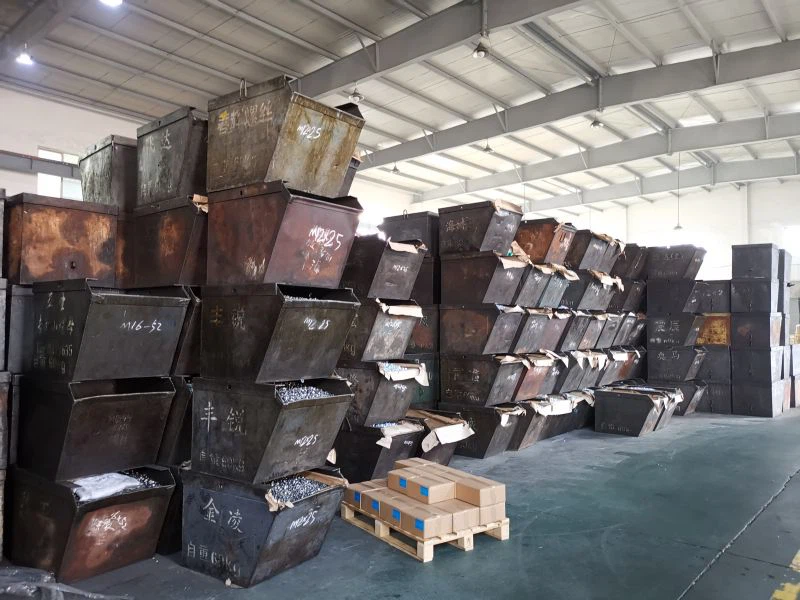
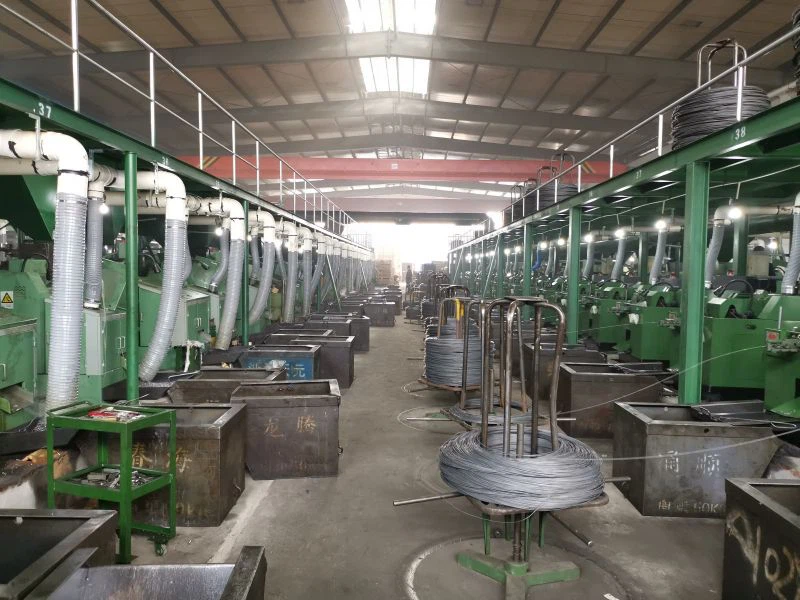
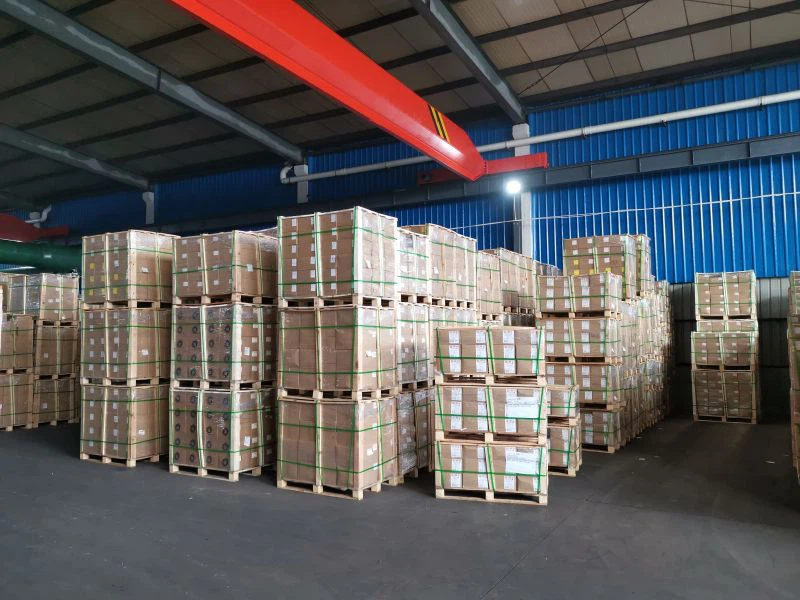
Our Nut Factory
MYWAY Services
MYWAY strictly complies with the requirements of the ISO9001 quality certification system, strictly controls quality, implements it at every level, and assigns responsibilities to everyone to ensure the healthy operation of the comprehensive system of design, production, sales, and after-sales service. In order to strengthen communication with users, better provide users with high-quality products, and better serve users with the brand, we have made the following commitments:
1. Products are designed and manufactured in strict accordance with standards. We produce non-standard products according to the drawings provided by customers.
2. Pre-sales service
Serving customers: product introduction, answers to technical questions, and engineering-assisted design.
3. Sales service
1). The products are based on the needs of user orders, with quality and delivery time as the premise.
2). During the use of the product, our company regularly organizes technical and quality inspection service personnel to visit and solicit feedback from users on the quality, usage status, improvement opinions and other aspects of the product, so as to further improve product quality.
4. After-sales service
1). If users have any problems or information when using our products, please report them back to the company in a timely manner so that the company can properly handle and improve them so that our products can better meet your requirements.
2). If the product does not work properly or is damaged due to quality problems during the warranty period, our company will be responsible for free repair or replacement. If the product is damaged or does not work properly due to improper use by the user, our company can provide repair services. If users need it, our company can provide users with free pre-sales and after-sales technical consultation.
.After-sales service. Users are required to fill in the product service and quality feedback information form and make appraisal opinions in order to improve the quality of MYWAY products and services.
FAQ
Q: What is the function of a nut?
A: A nut is a mechanical fastener with a threaded hole. It is attached to a bolt, screw or stud to provide a clamping force and prevent axial movement.
Q: Do screws have nuts?
A: Screws don’t need nuts, as they become secure by being tightened into the hole with a screwdriver or driver bit which fits into the drive recess. Generally speaking, screws are shorter than the width of the material they are being screwed into, so that they don’t protrude on to the other side.
Q: What is the difference between a lock nut and a hex nut?
A: The term “Lock Nut” is used to describe a nut that is designed to provide higher resistance to loosening as compared to a standard hex nut. Lock Nuts are commonly used in applications that encounter vibration or impact forces that can cause a standard nut to loosen over time.
Q: What is the difference between a square nut and a hex nut?
A: Hex nuts are easier to install and tighten than square nuts. They have six sides, whereas square nuts only have four sides. Because they have more sides, hex nuts offer more torque, which makes them easier to install and tighten. You can install hex nuts in smaller spaces.
Q: What is a DIN 934 nut?
A: Din 934 is the standard for Hexagon nuts with metric coarse and fine pitch thread – There are two product classes A (up to M16) and B (> M16) DIN stands for “Deutsches Institut für Normung”, meaning “German institute for standardisation” and is widely accepted globally, though many are not superseded by ISO standards.
Q: What is the ASTM standard for hex nuts?
A: Hex nuts (also referred to as finished hex nuts) are available in ASTM A563-A and compatible with low carbon steel bolts such as ASTM A307, ASTM F1554 grade 36, SAE grade 2, and AASHTO M183.
Q: What is DIN 936?
A: DIN 936 hex nuts are jam nuts, it has a fine thread.
Q: What is flange nut as per DIN 6923?
A: DIN 6923 ISO 4161 Serrated Flange Nut are hex nuts with non-spinning washers attached at the bottom. Below the washers are serrations which prevent them from being used with washers or on surfaces that can be scratched and help the nuts to securely fasten when vibrations are present.
Q: What is DIN 985?
A: DIN 985 Nylon Insert Hex Lock Nuts are internally machine screw threaded hex nuts that rely upon an undersized captive nylon (polyamide) washer to create the prevailing torque feature that resists rotation and, hence, loosening.
Q: What is DIN 6926?
A: Metric DIN 6926 Nylon Insert Hexagon Flange Lock Nuts have a circular washer like flange shaped base that increases the. weight bearing surface to distribute the load over a greater area when tightened The flange eliminates the need to use a washer. with the nut.
Q: What is DIN 980?
A: DIN 980 lock nuts, all metal lock nut is also known as all metal self-locking nut. There are two main locking forms:
a. This kind of nut is called 980-v type, and the common forms are as follows: end face three-point type, elliptical type, side extrusion type.
b. The nut is embedded with a metal locking plate, which can prevent loosing by the locking ring. This kind of nut is called 980-m
Material: Carbon Steel
Type: All metal prevailing Torque, Hex Nuts
Thread Size: M3 ~ M39
Surface Finish: Plain, Black, Zinc Plated, Yellow Plated, H.D.G, Chrome Plated
Class: 4, 6, 8, 10
Q: What is the din standard for square nuts?
A: Square nuts, DIN 557.
Q: What is DIN 562?
A: DIN 562 – Square thin nuts.
Q: What is DIN 929?
A: Hexagon weld nuts.Three uniform projections ensure reliable contact with the weld surface, even if it is not perfectly flat. The precision pilot accurately locates the threads in the pilot hole and prevents the nut from slipping off center during welding.
We’re professional bolt manufacturers and suppliers in China, specialized in providing high quality customized products with low price. We warmly welcome you to wholesale or buy discount bolt in stock here from our factory. Contact us for free sample.