
MYWAY Metal Nuts – Wide Range, Great Value. Your China Fastener Manufacturer.
11+ Years Expertise | Professional Fastener Manufacturer | Standard & Custom Parts | DIN, ISO, ANSI Certified | Strong R&D | Ample Stock | Cost-Effective |
Professional Team | Serving 40+ Countries | Reliable Logistics
Hex Nuts
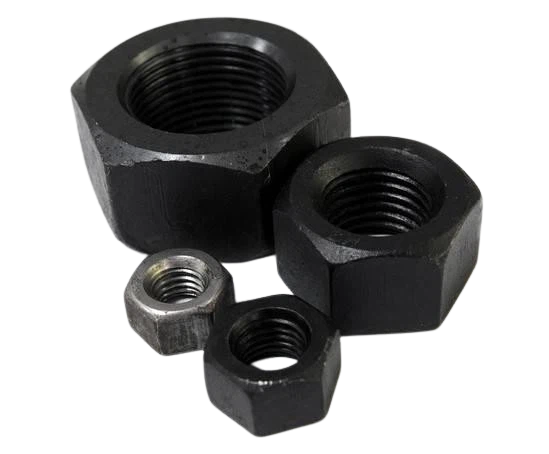
Heavy Duty Hex Nut ASTM A194 Grade 2H
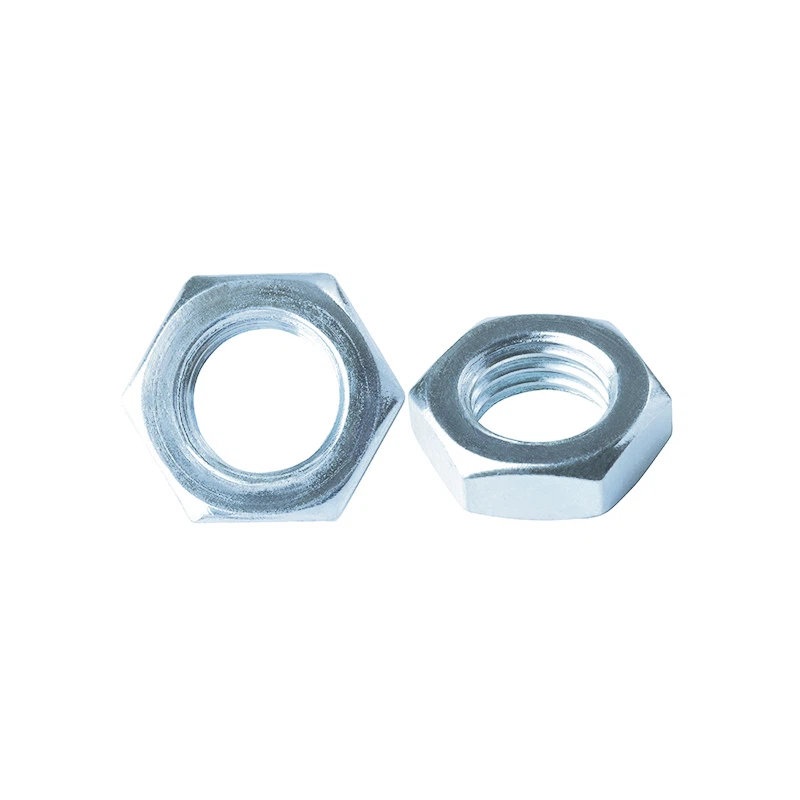
Hex Thin Nut/Hexagonal Thin Nuts DIN936 Bright Zinc/Zinc Plated/Clear Zinc/Blue White Zinc
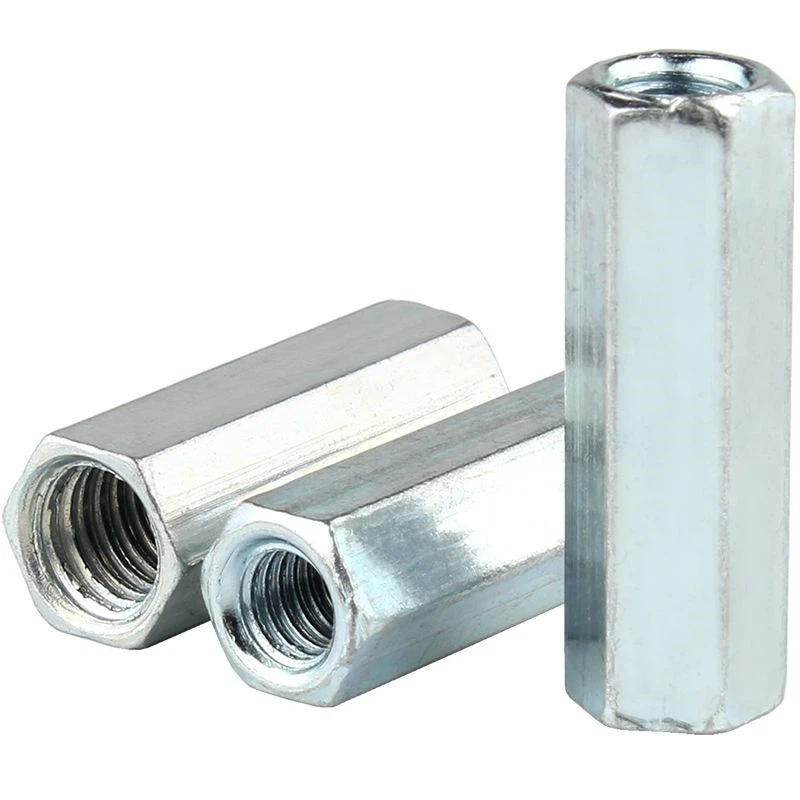
Hexagonal Long Nut/Hex Long Nuts DIN6334 ASME B 18.2.2 Bright Zinc/Zinc Plated/Clear Zinc/Blue White Zinc
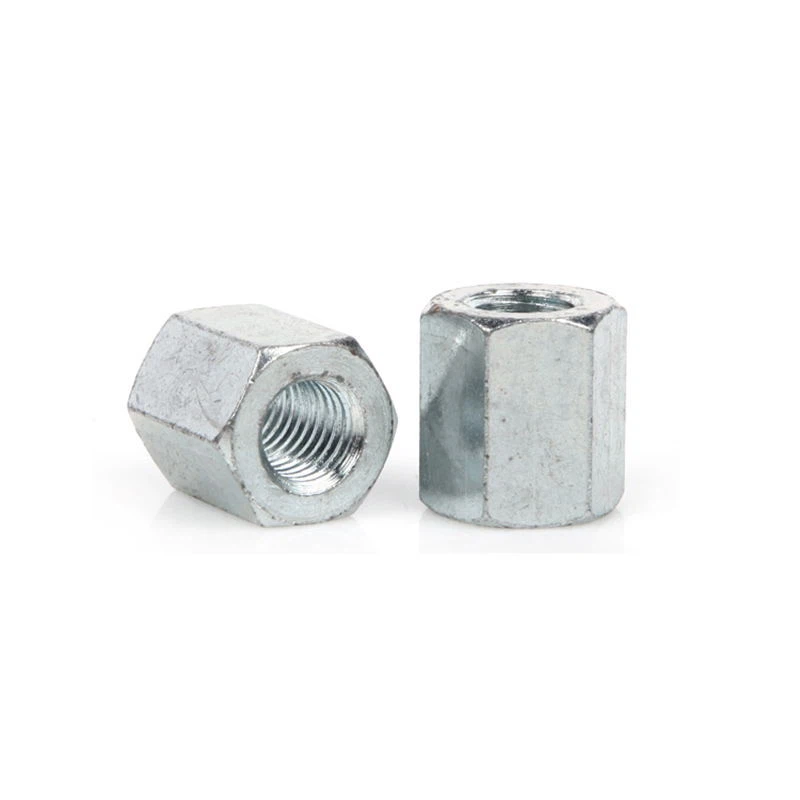
Hexagonal Thick Nut/Hex Thick Nuts DIN 6330 Bright Zinc/Zinc Plated/Clear Zinc/Blue White Zinc
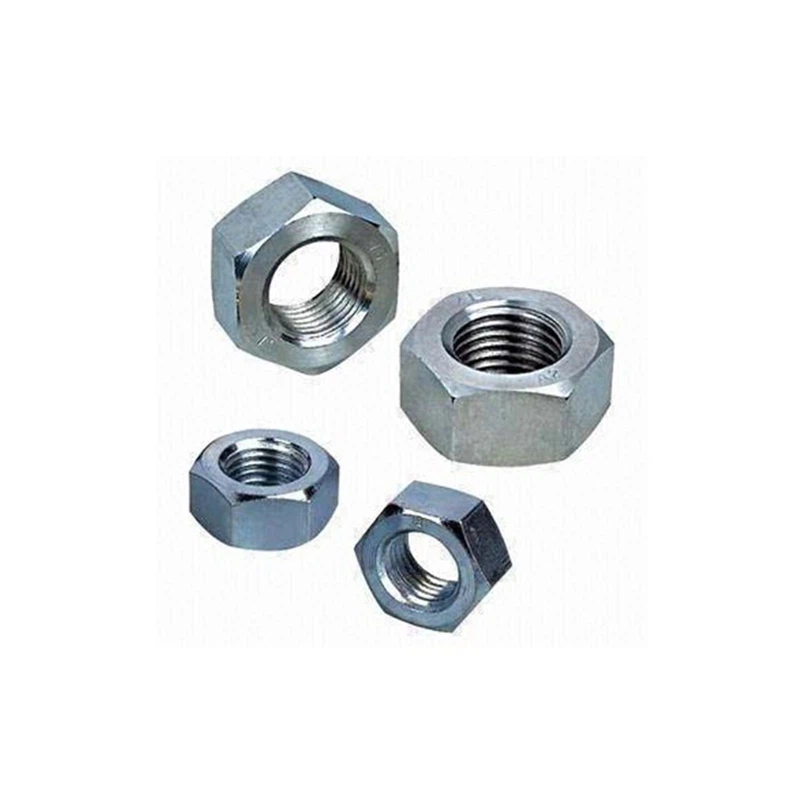
Hex Nuts For Steel Structures DIN 6915 Bright Zinc/Zinc Plated/Clear Zinc/Blue White Zinc
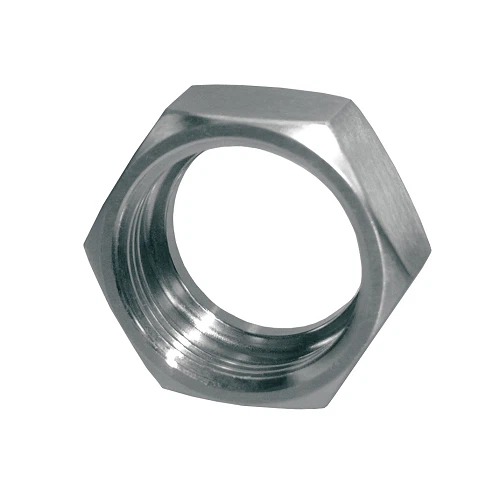
Hex Pipe Nuts/Hexagonal Pipe Nuts DIN 431 Bright Zinc/Zinc Plated/Clear Zinc/Blue White Zinc
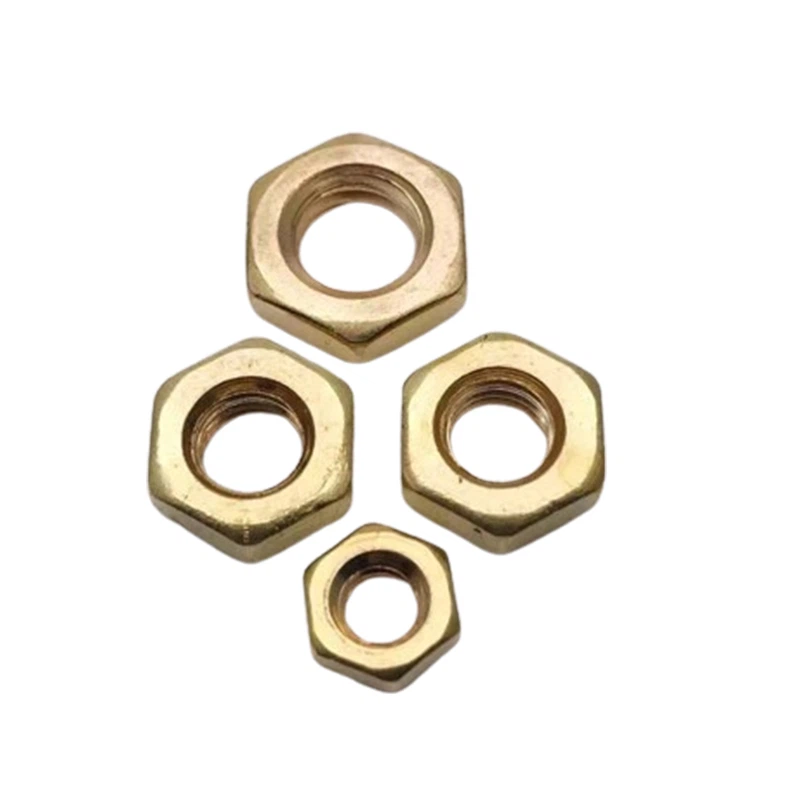
Hex Nut/Hex Nuts/Hexagonal Nut DIN934 ASME B 18.2. Brass
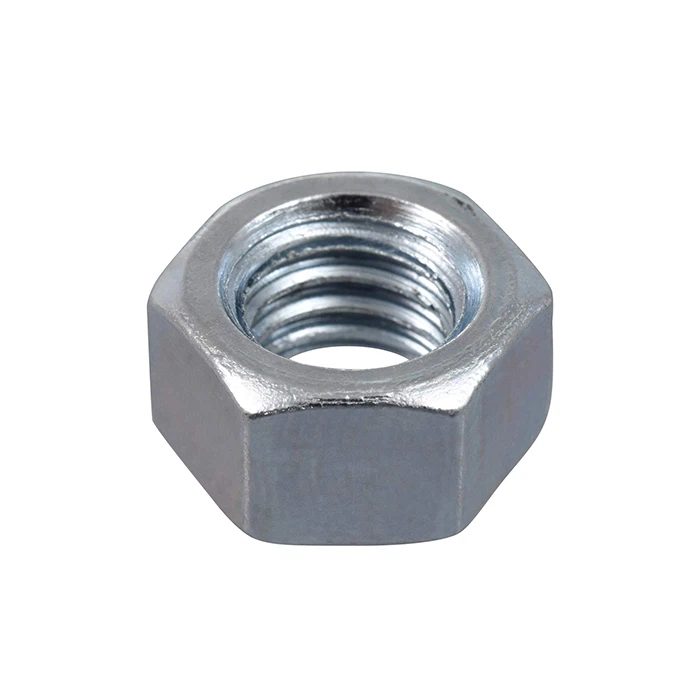
Hex Nut/Hex Nuts/Hexagonal Nut DIN934 ASME B 18.2.2 M6 4.8 Grade/grade 2 Bright Zinc/Zinc Plated/Clear Zinc/Blue White Zinc
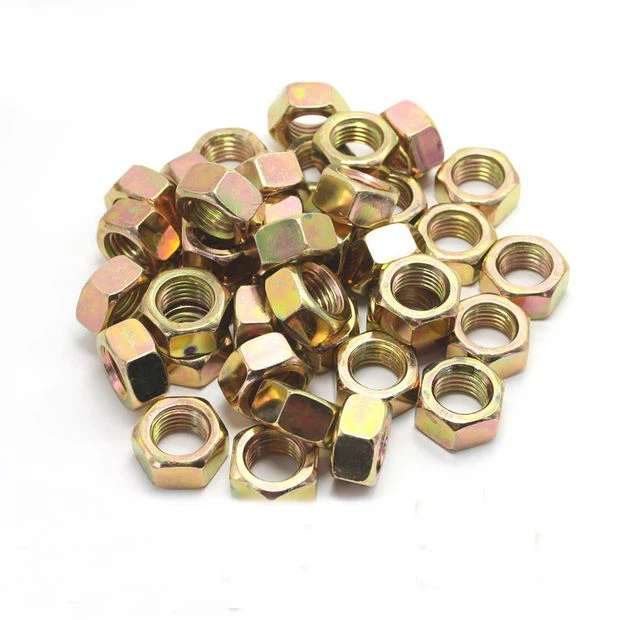
Hex Nut/Hex Nuts/Hexagonal Nut DIN934 ASME B 18.2.2 M10 4.8 Grade/class 10 Color Zinc
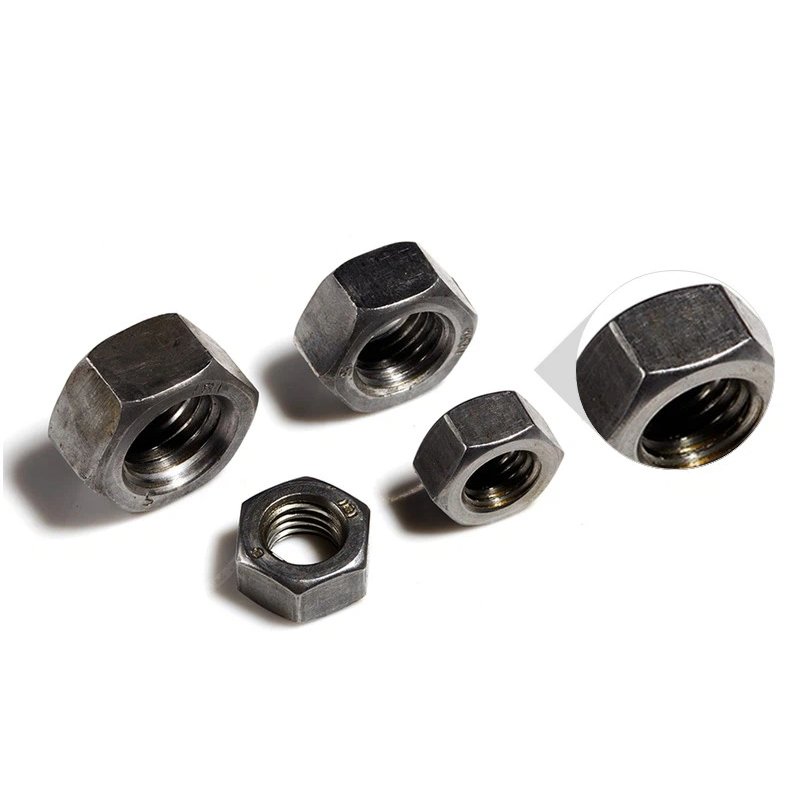
Hex Nut Plain Hexagonal Nut DIN934 ASME B 18.2.2 M8 SS304 Plain
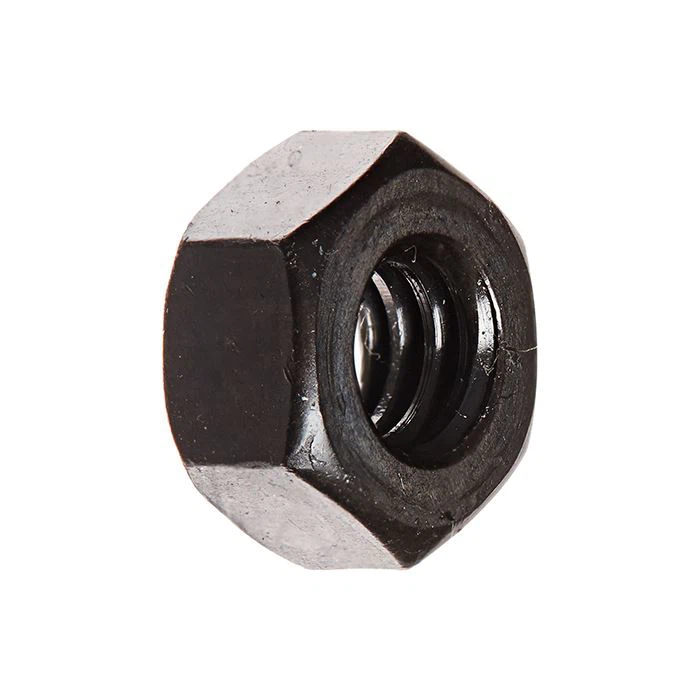
Hex Nut ASME B 18.2.2 M6 Grade 5 Hexagonal Nut
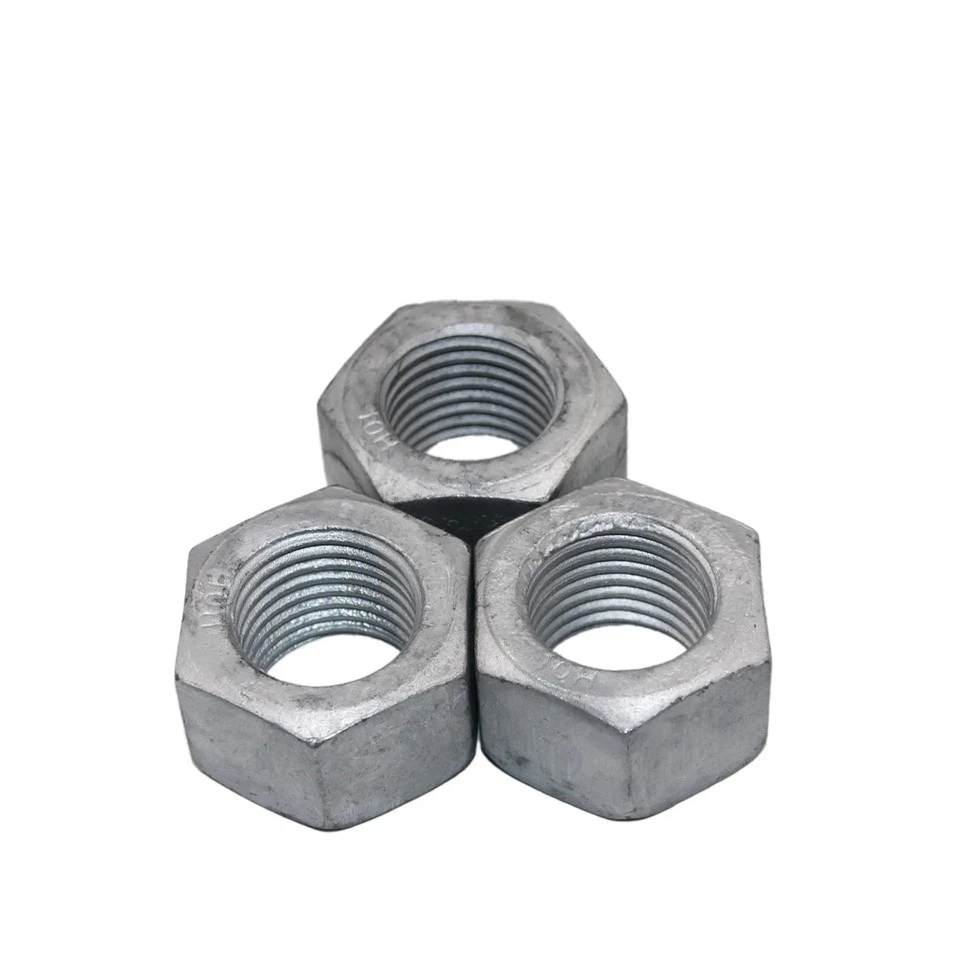
Hex Nut/Hex Nuts/Hexagonal Nut DIN934 ASME B 18.2.2 M16 4.8 Grade
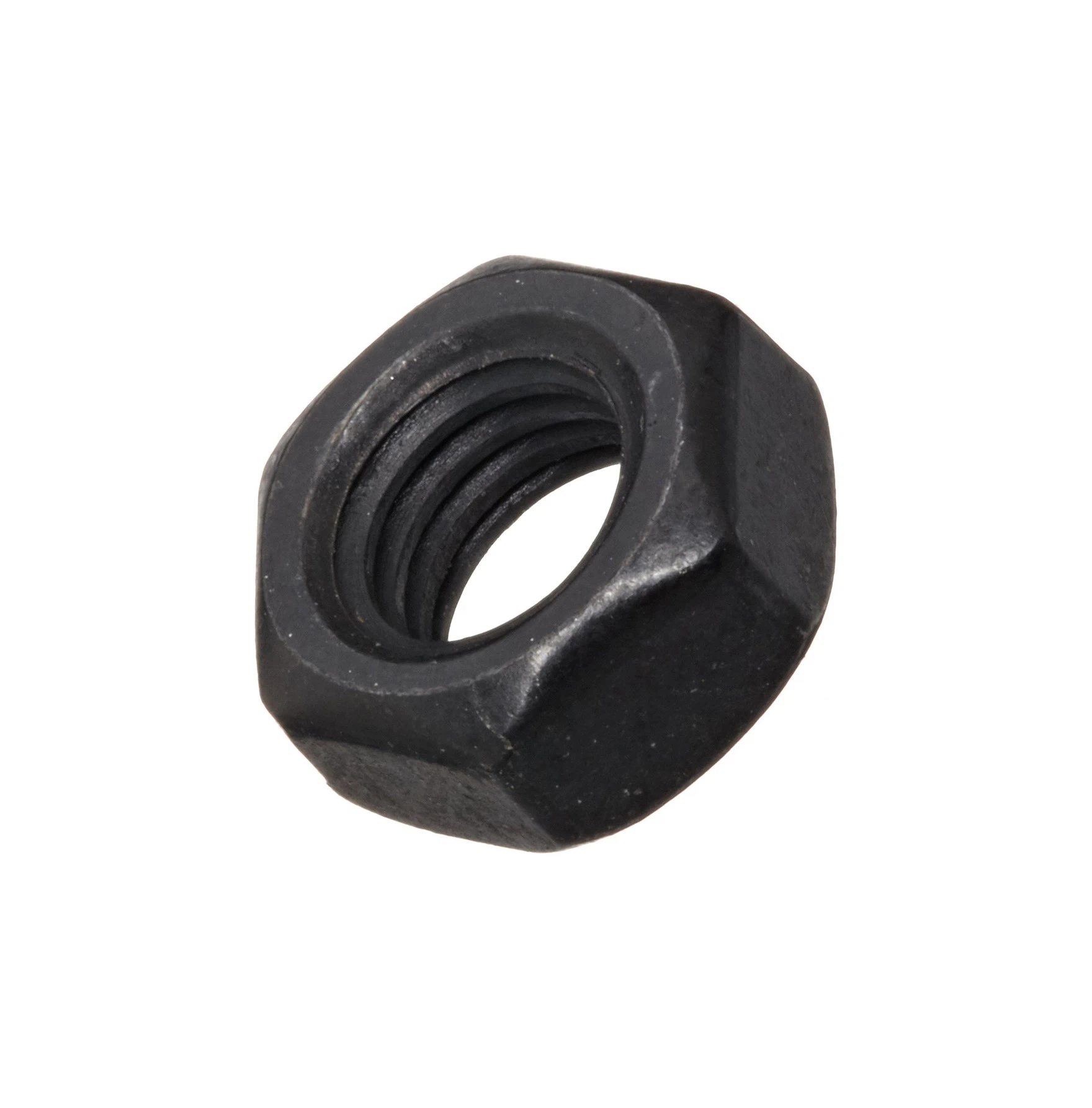
Hex Nut/Hex Nuts/Hexagonal Nut DIN934 ASME B 18.2.2 M12 4.8 Grade/5 Grade
The hexagon nut is a fixed tool with a hole in the center and a spiral pattern on the inside of the hole.It is usually shared with a bolt of the same size to hold the relevan joint. If environmental factors such as vibration may loosen the nut, use tools such as glue or pins to further strengthen the relevant part.
Standards provided: DIN,BS,ANSI/ASME/ASTM/ISO/EN/GOST etc
Diameter range: M1-M160
Grades:4, 5,6,8,9, 10.etc
Raw Materials : Carbon steel, stainless steel, alloy steel, brass,nonferrous metals, etc
What is Hex Nuts
Hex nuts are a type of fastener, just like screws or bolts. They’re called “hex” nuts because they have six sides, like a hexagon. Hex nuts are common because they are suitable for many applications. Their six-sided shape makes them easy to tighten with either hand tools or power tools from different angles. Hex nuts are especially useful in big machines. They’re used in farm equipment, road building, making cars, and joining heavy materials where strong attachments are needed.
Advantages of Hex Nuts
Versatility: Hex head bolts are versatile and widely used in a variety of applications. They are commonly used in construction, automotive, aerospace, and many other industries. This versatility comes from the fact that hex head bolts are available in a wide range of sizes and materials, and can be used in both high and low-load applications.
Ease of use: Hex head bolts are easy to use, making them a popular choice among technicians and diy enthusiasts alike. They can be quickly and easily installed and removed using a wrench or socket. The six-sided shape of the head provides a good grip for the tool, making it easy to tighten or loosen them.
Strength: Hex head bolts are designed to provide a strong and reliable fastening solution. They can withstand high loads and stresses without deforming or breaking. Hex head bolts are often made from high-strength materials such as steel or titanium, which makes them highly durable and resistant to corrosion, wear, and other forms of damage.
Security: Hex head bolts can be secured with a variety of locking mechanisms to prevent them from coming loose over time. Locking mechanisms such as lock washers, nylon inserts, or adhesive coatings can be used to increase the security of the fastener. This is particularly important in applications where vibration may cause the bolt to loosen over time.
Aesthetics: Hex head bolts have a clean and simple design that can enhance the visual appeal of a finished product or project. They can be polished or coated to match the surrounding materials, creating a professional and cohesive appearance.
Availability: Hex head bolts are readily available in a range of sizes, materials, and finishes. This makes them a popular choice for both industrial and consumer applications. They can be easily sourced from hardware stores or online retailers, and are often sold in bulk quantities.
Durability: Hex head bolts are highly durable and resistant to corrosion, wear, and other forms of damage. This is because they are often made from high-strength materials, and can be coated with a variety of finishes to enhance their corrosion resistance.
Precision: Hex head bolts are often manufactured to very tight tolerances, which means they fit precisely into the intended threaded hole or nut. This precision helps ensure a tight, secure fit, which is essential for many applications.
Why Choose US
Our Factory
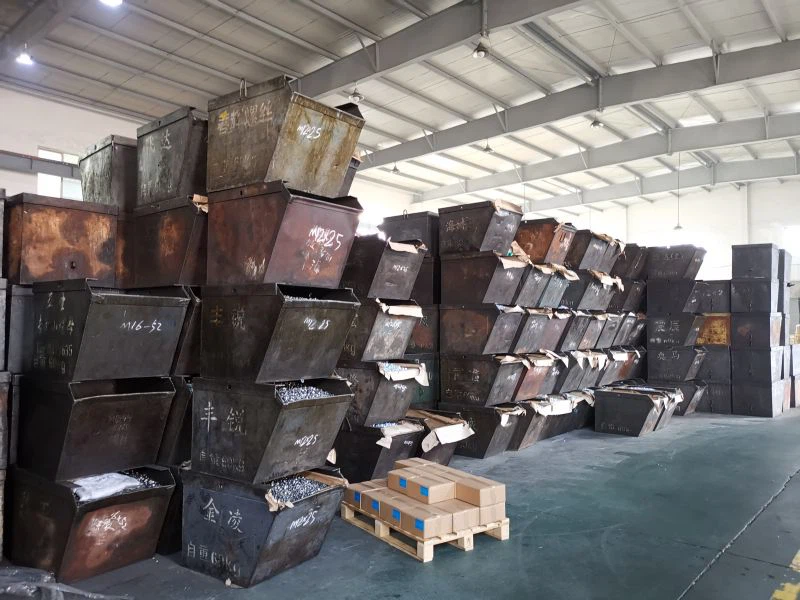
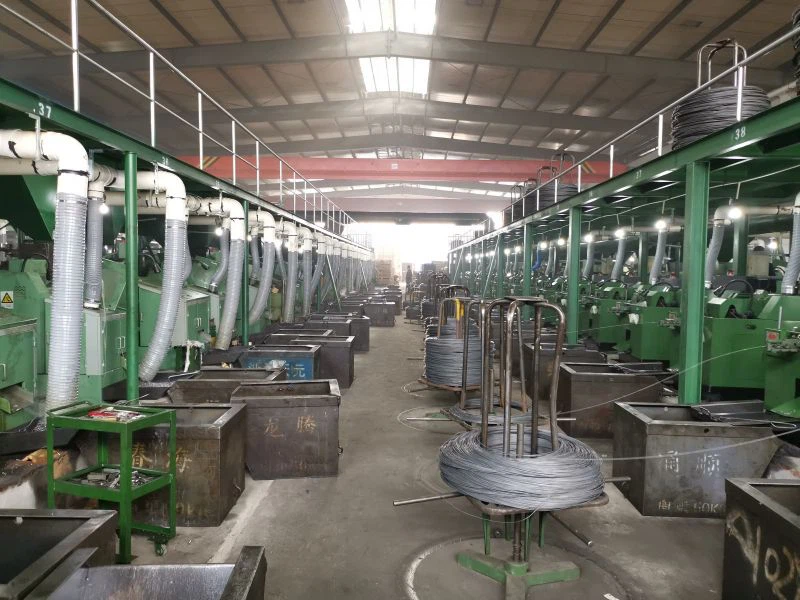
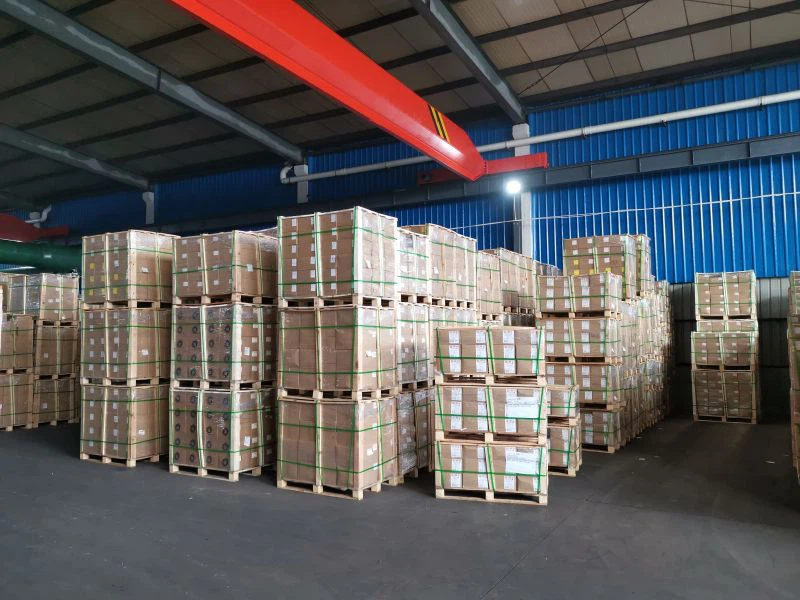
Zhejiang Myway Co.,Ltd started in 2005, Main producing fastener products. With the continuous development of business, the company invested in tool products. Established Zhejiang Myway Co., Ltd in 2015 with a registered capital of 50 million R M B.
Our Product
The company is located in Jiaxing, Zhejiang. At present, it has 3 factories and hundreds of cooperative factories, so that our products can meet the needs of different customers. The current products cover fasteners, hand tools, power tools, hydraulic tools, pump valves and other auto parts and mechanical products. The products have involved steel, machine tools, textiles, chemicals, mining, electric power, machinery manufacturing and other industries.
Professional Team
The company has a professional sales team of nearly 50 people, providing customers with high-quality and comprehensive services before, during and after sales, and can provide standardized products and customized solutions at the same time.
Our Service
In order to provide customers with worry-free service, we listen to customers’ ideas wholeheartedly, and provide customers with a full range of services from product development, quality control, order follow-up and after-sales service.
Types of Hexagon Nuts
There are several types of hexagon nuts, each designed for specific applications. Here are the most common types
Standard hexagon nuts
Standard hexagon nuts are the most common type of hexagon nuts. They have six sides and are available in various materials, sizes, and finishes.
Heavy hexagon nuts
Heavy hexagon nuts are larger and thicker than standard hexagon nuts. They are designed for high-stress applications that require increased strength and durability.
Nylon insert locknuts
Nylon insert locknuts, also known as nyloc nuts, have a nylon insert that provides a locking feature. The nylon insert creates friction between the nut and the bolt, preventing the nut from loosening due to vibrations.
Flange nuts
Flange nuts have a built-in washer that provides a larger bearing surface. The washer prevents the nut from sinking into the material being fastened and provides extra resistance to loosening due to vibrations.
Wing nuts
Wing nuts have two wings on either side, making them easy to tighten or loosen by hand. They are commonly used in low-stress applications where fast and easy assembly or disassembly is required.
Materials of Hex Nuts
Hexagon nuts are available in various materials, each with its own properties and benefits. Here are the most common materials
Steel: Steel hexagon nuts are the most common and cost-effective option. They are durable, strong, and resistant to corrosion. Steel hexagon nuts are available in different grades, each with varying strength and durability.
Stainless Steel: Stainless steel hexagon nuts are resistant to corrosion and rust, making them ideal for outdoor and marine applications. They are also ideal for applications that require high strength and durability.
Brass
Brass hexagon nuts are visually appealing and have good corrosion resistance. They are commonly used in decorative applications, such as furniture and lighting.
Aluminum
Aluminum hexagon nuts are lightweight and have good corrosion resistance. They are commonly used in applications where weight is a concern, such as aerospace and automotive.
Nylon
Nylon hexagon nuts are lightweight, corrosion-resistant, and have good insulating properties. They are commonly used in electrical and electronic applications.
Sizes of Hex Nuts
Hexagon nuts are available in various sizes, each designed to fit a specific bolt or screw diameter. The size of the hexagon nut is determined by the distance across the flats (the distance between two opposite sides of the hexagon). Common sizes range from M1.6 to M100, with imperial sizes ranging from 1/4″ to 4″. It’s important to use the correct size of hexagon nut for the bolt or screw being used to ensure proper tightening and holding strength.
Finishes of Hex Nuts
Hexagon nuts are available in various finishes, each designed for specific applications. Here are the most common finishes
Plain Finish: Plain finish hexagon nuts have no coating or plating. They are the most cost-effective option and are suitable for most applications.
Zinc Plated: Zinc plated hexagon nuts have a thin layer of zinc coating that provides corrosion resistance. They are commonly used in indoor and outdoor applications.
Black Oxide: Black oxide hexagon nuts have a black finish that provides corrosion resistance and a sleek look. They are commonly used in automotive and industrial applications.
Chrome Plated: Chrome plated hexagon nuts have a shiny chrome finish that provides excellent corrosion resistance and a sleek look. They are commonly used in decorative applications, such as furniture and lighting.
Hot-Dip Galvanized: Hot-dip galvanized hexagon nuts have a thick layer of zinc coating that provides excellent corrosion resistance. They are commonly used in outdoor and marine applications.
Applications of Hex Nuts
Hexagon nuts are used in various applications across various industries, including
Construction
Hexagon nuts are used in construction to fasten structural elements such as beams, columns, and braces.
Automotive
Hexagon nuts are used in automotive applications to fasten various components, such as engines, transmissions, and suspension systems.
Aerospace
Hexagon nuts are used in aerospace applications to fasten various components, such as engines, wings, and landing gear.
Electrical and Electronic
Hexagon nuts are used in electrical and electronic applications to fasten components and to provide insulation.
Marine
Hexagon nuts are used in marine applications to fasten various components, such as rigging and hardware.
Differences Between Weld Nuts and Hex Nuts
The main difference between weld nuts and hex nuts is their installation method. Weld nuts are welded onto the material, whereas hex nuts are threaded onto bolts or screws. Weld nuts require a special installation process involving welding equipment and skilled labor. On the other hand, hex nuts can be installed with basic tools like a wrench or pliers. Another difference is that weld nuts are permanent, while hex nuts can be removed and reused.
How to Choose Hex Nuts
The hex nuts and bolts you choose depend mostly on your project. For instance, if you’re a auto fleet manager or work with heavy-duty dock equipment, you’ll likely need larger, corrosion resistant hex nuts and bolts. However, if you’re a woodworker fixing table saws or maintaining hand tools, you’d probably need lighter, smaller hex nuts and bolts. Here are 3 important things to think about when picking hex nuts and bolts
Material options
The most frequently used material in hex fastener construction is carbon steel due to its durability and the ability to perform well even in high heat. But hex nuts and fasteners can be formed from many different materials, so it’s essential to choose the right kind. Other materials you might consider for hex nuts include:
Alloy Steel
Aluminum
Stainless Steel (recommended for applications in high-moisture areas)
Bronze and Brass (often used in areas that are corrosive)
Thread type and count
After you’ve decided on the composition of your hex fasteners, the next step is to choose the right thread type. If you’re assembling equipment like pumps or forklifts, you might want to use hex nuts and bolts with coarse threads. On the other hand, if you’re aiming for better thread engagement, fine-threaded hex nuts could be the better option.
Environmental exposuure
Before you make your final choice, think about what conditions the hardware and equipment will face. Will they be subjected to high temperatures? This could cause connections to loosen. Salt water and extreme cold also impact machinery and fasteners. Vibrations, from things like unaligned shafts or the design of the machinery, are another consideration.
The Production Process of Hex Nuts
Material preparation: The first step in creating a hexagon nut is preparing material suitable for the size of the nut, type of material is depending on method of manufacture.
–In case of cold forging, wire rod will be applied as material.
–In case of hot forging, round bar will be applied as material.
–In case of cutting work, hexagon bar will be applied as material but for giant size hex nut, round bar will be applied.
Cutting: Round bars, wire, or hex bar, are typically sold in lengths of 1,000mm or more, are cut into the desired length, usually exceeding the height of the nut.
Heating (for hot forging) : Length cut material is heated to a specific temperature to soften it and prepare it for forming.
Forming: The heated nut undergoes a two-step pressing process. Initially, it is pressed into a rounder shape using an upper die. It will then press again with an upper die and hexagon bottom die to form the shape, resulting in a hexagon-shaped nut without a hole. Process may vary depending on method of manufacture.
Punching: A punching machine is used to create an initial round straight hole in the hexagon-shaped nut.
Threading: A thread tap is used to thread the round straight hole. Lubrication is necessary during the thread-making process. If shot blasting is required, it must be performed before the threading process.
Plating: Depending on the customer’s request, the hexagon nut may undergo a specific plating process such as black oxide or electro galvanizing.
-If plating is not required, the hexagon nut is cleaned using a specific treatment process to remove manufacturing scrap.
Inspection: The quality control (qc) department works diligently to inspect the product to ensure it meets the standard requirements, to guarantee customer satisfaction.
What Is the Detailed Guide to Installing Lock Nuts
Tools and materials you’ll need
Before you begin the installation process, gather the following tools and materials:
All-metal prevailing torque lock nuts
Lock nuts: Choose the appropriate type for your application. There are various types of locking nuts, including nylon-insert lock nuts, prevailing torque lock nuts, and all-metal lock nuts.
Wrench or socket set: You’ll need the appropriate wrench or socket set to tighten the lock nuts securely.
Thread lubricant: In some circumstances, employing thread lubricant or anti-seize compound can facilitate installation and improve locking effect.
Prepare the Threaded Fastener
Check to make sure the threaded fastener (such as a bolt or threaded rod) is clean and free of debris or rust. A clean thread will aid in the creation of a proper and secure fit.
Choose the Right Lock Nut
Choose the right lock nut for your application by considering thread size, material, and the amount of prevailing torque necessary.
Position the Lock Nut
Turn the lock nut clockwise to secure the fastener. Begin by hand to avoid cross-threading, which can cause thread damage.
Hand-tighten the Lock Nut
Tighten the lock nut by hand at first, until it is snug against the workpiece or the previously inserted nut. Check that it is correctly aligned with the fastener threads.
Use a Wrench or Socket Set
To acquire the necessary level of prevailing torque, tighten the lock nut using a wrench or socket set. The amount of torque required will depend on the specific application and the lock nut type.
Apply Thread Lubricant
Before installation, if desired or specified, add a thread lubricant or anti-seize compound to the threads. This can reduce friction during tightening and improve the lock nut’s efficacy.
Check for Proper Tightening
After tightening, double-check to ensure that the lock nut is securely fastened. It should resist loosening when subjected to vibration or external forces.
Test the Connection
If applicable, test the connected components to ensure that they remain securely fastened even under stress or vibration.
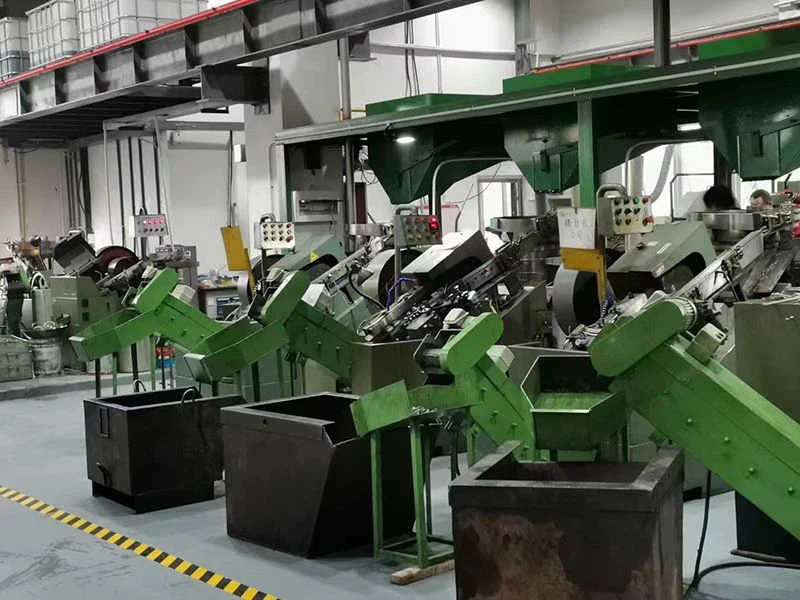
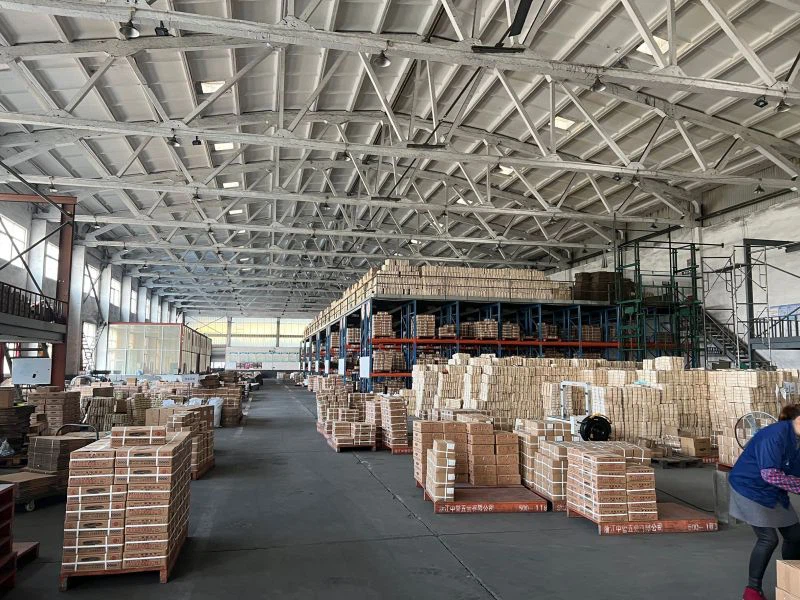
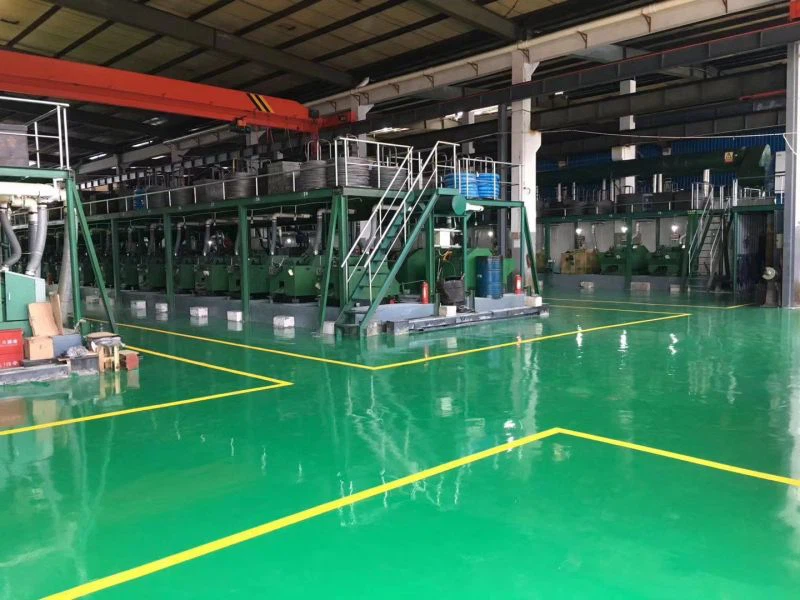
Our Nut Factory
FAQ
Q: Where are hex nuts used?
A: The most common shape today, when it comes to hardware nuts, is six-sided hexagonal. You’ll find hex nuts in furniture, building frames, kids’ toys, automobiles and household appliances.
Q: What is the difference between jam and hex nuts?
A: While similar, hex nuts and jam nuts aren’t the same. Hex nuts consist of all nuts with a hexagonal shape. Jam nuts are thinner hexagonal nuts that are designed to press or jam against another nut.
Q: What is the difference between a hex nut and a lock nut?
A: The term “Lock Nut” is used to describe a nut that is designed to provide higher resistance to loosening as compared to a standard hex nut. Lock Nuts are commonly used in applications that encounter vibration or impact forces that can cause a standard nut to loosen over time.
Q: What is the purpose of a hex nut?
A: Hex nuts are synonymous with threaded fasteners. They are typically used to secure the end of a bolt. After placing a bolt through two or more workpieces or parts, you can install a hex nut on the end of the bolt. Bolts have external threading that supports the internal threading of a hex nut.
Q: How do you identify a hex nut?
A: Nuts fabricated by cutting from hex bar stock shall be grade marked with notches at the hexagon corners, one notch at each comer for Grade 5, two notches at each corner for Grade 8. Class 8 Class 9 Class 10 Grade 2 nuts are not required to be marked for grade identification.
Q: Why use heavy hex nuts?
A: Heavy hex nuts are thicker and heavier in weight. The proof load strength is higher than a standard hex nut. Heavy hex nuts provide increased bearing surface area over finished nuts.
Q: Can a hex nut be used as a jam nut?
A: The two styles available for a jam nut are hex and heavy hex patterns. The biggest difference between these two is sizing. The heavy hex pattern has a larger width across the flats and corners and is slightly thicker in comparison to the smaller hex pattern.
Q: What are the advantages of a hex bolt?
A: Hex bolts offer strong tensile properties. They are designed to bear heavy loads, which makes them ideal for applications that demand strength, such as the construction of buildings, bridges, and road infrastructures.
Q: Is a hex nut magnetic?
A: While the hex nuts are in contact with the magnet, they actually develop their own internal magnetic field. These weak magnetic fields will remain after you detach the hex nuts from the magnets, too.
Q: What is the difference between a square nut and a hex nut?
A: Hex nuts are easier to install and tighten than square nuts. They have six sides, whereas square nuts only have four sides. Because they have more sides, hex nuts offer more torque, which makes them easier to install and tighten. You can install hex nuts in smaller spaces.
Q: What type of thread is a hex nut?
A: Designed specifically to be used with machine screws, these hex nuts are much smaller sizes than full-size hex nuts and feature flat tops and chamfered corners. Threads can be coarse (UNC) or fine (UNF), and zinc plating is the most common type of finish applied to machine screw nuts.
Q: How do you tighten hex nuts?
A: Place the wrench or socket onto the hex nut. – Apply gradual and steady force to the wrench, turning it in the direction that tightens the nut. Use one hand to hold the wrench and the other to support the handle, maintaining control over the torque application.
Q: What metal are hex nuts made of?
A: Most steel grades and classes in this selection of hex nuts have a zinc plating on them. Grade 2, Grade 5, Class 8, and Class 10 steels are all zinc plated. Most Grade 8 steel is also zinc-plated.
Q: What is the difference between a flange nut and a hex nut?
A: Flange nuts and general hexagon nuts are the same size as the thread specifications, just compared to hexagon nuts, it is a gasket and nut is a one-piece, and in the following has non-slip teeth, this increases the nut and workpiece surface area contact, compared with the common nut with washer combination.
Q: Can hex nuts be welded?
Q: What metal is a hex nut?
A: The zinc plated finished surface of the carbon steel make the hex nuts more durable to use.
Q: What tool is used for hex nuts?
Q: How do you fix a stripped hex nut?
Q: Why use a hex nut?
Q: How do you unscrew a hex nut?
We’re professional bolt manufacturers and suppliers in China, specialized in providing high quality customized products with low price. We warmly welcome you to wholesale or buy discount bolt in stock here from our factory. Contact us for free sample.