
MYWAY Metal Bolts – Wide Range, Great Value. Your China Fastener Manufacturer.
11+ Years Expertise | Professional Fastener Manufacturer | Standard & Custom Parts | DIN, ISO, ANSI Certified | Strong R&D | Ample Stock | Cost-Effective |
Professional Team | Serving 40+ Countries | Reliable Logistics
Anchor Bolts
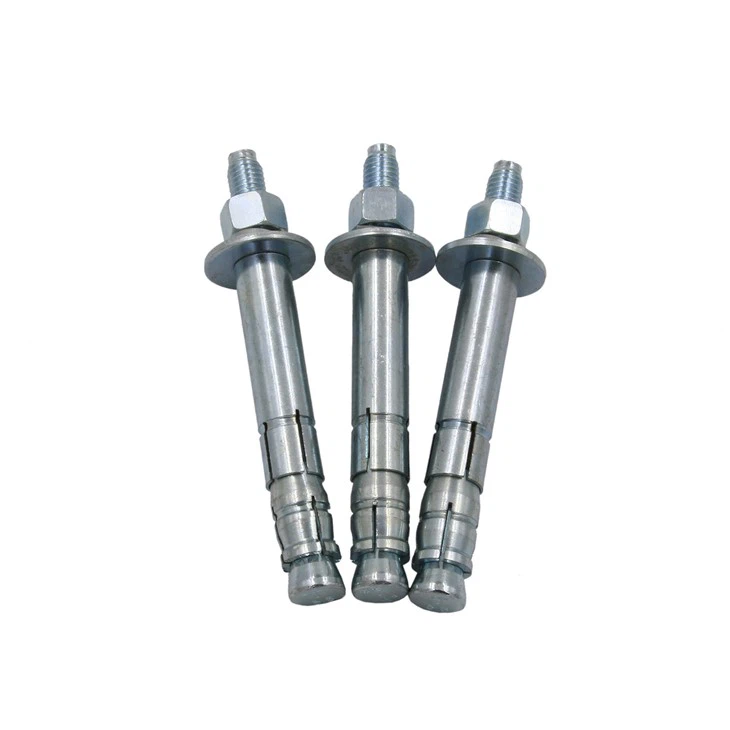
Mechanical Anchor Bolts YJT 1009 SS/Stainless Steel
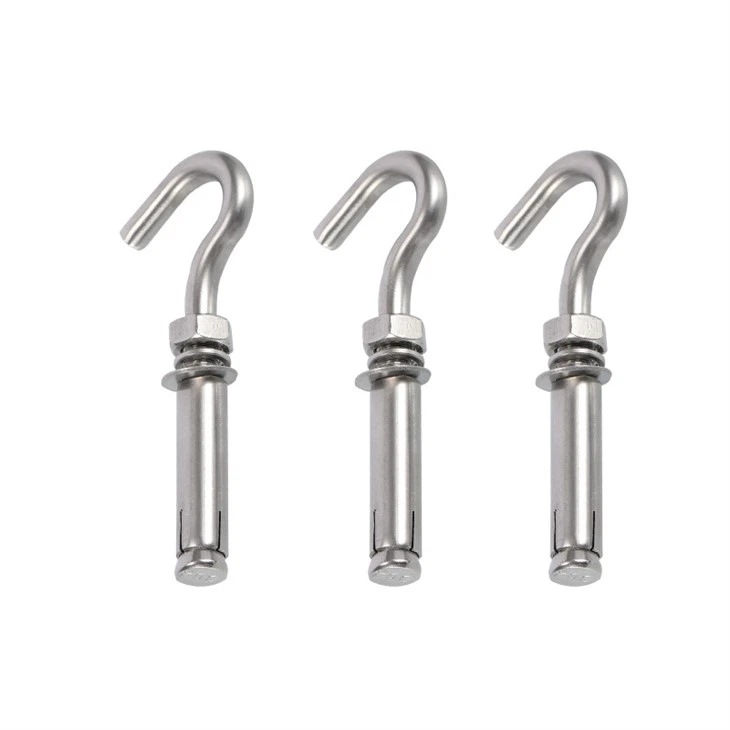
Expansion Hook YJT 1027 SS/Stainless Steel
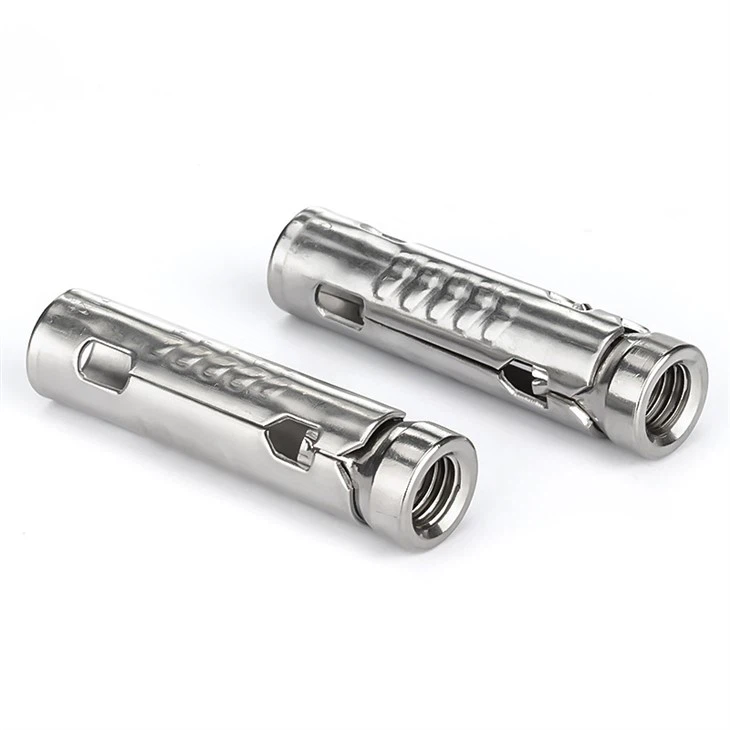
Fish Scale Tube Gecko YJT 1012 SS/Stainless Steel
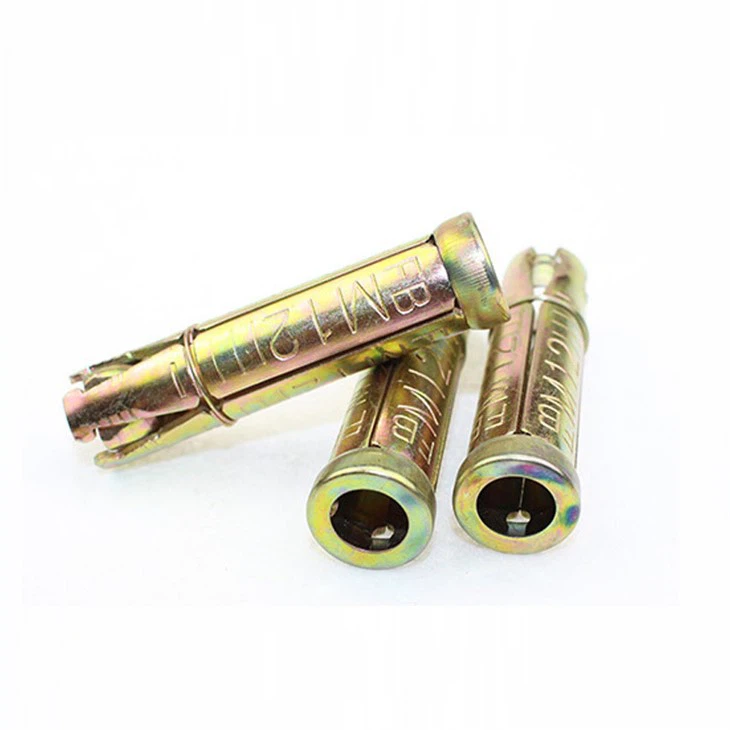
Four Geckos YJT 1011 Color Zinc/Colour Zinc
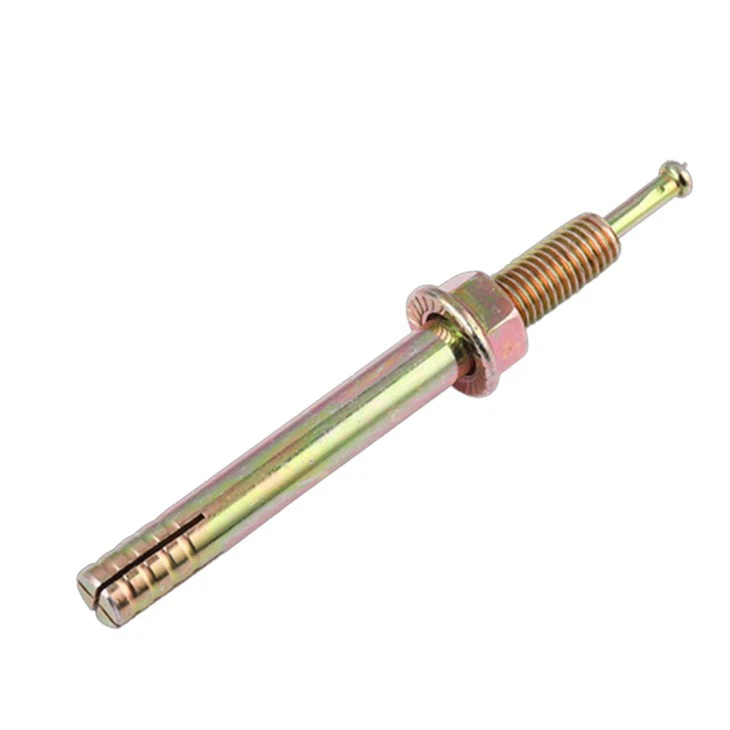
Nail-Hiting Expansion Anchor Bolts GB /T 22795 (JD) Color Zinc/Colour Zinc
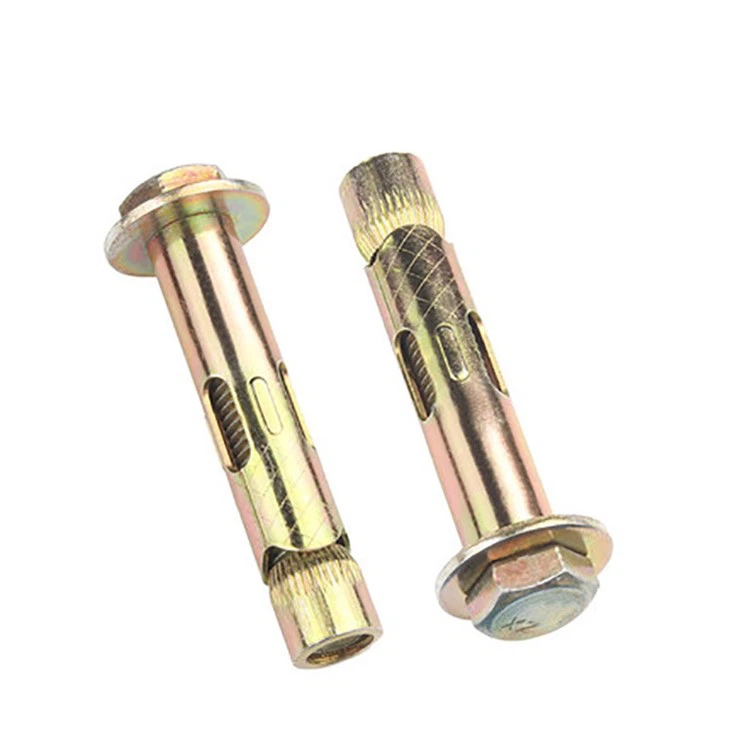
Conical Cap Expansion Bolts GB /T 22795 (ZM) Color Zinc/Colour Zinc
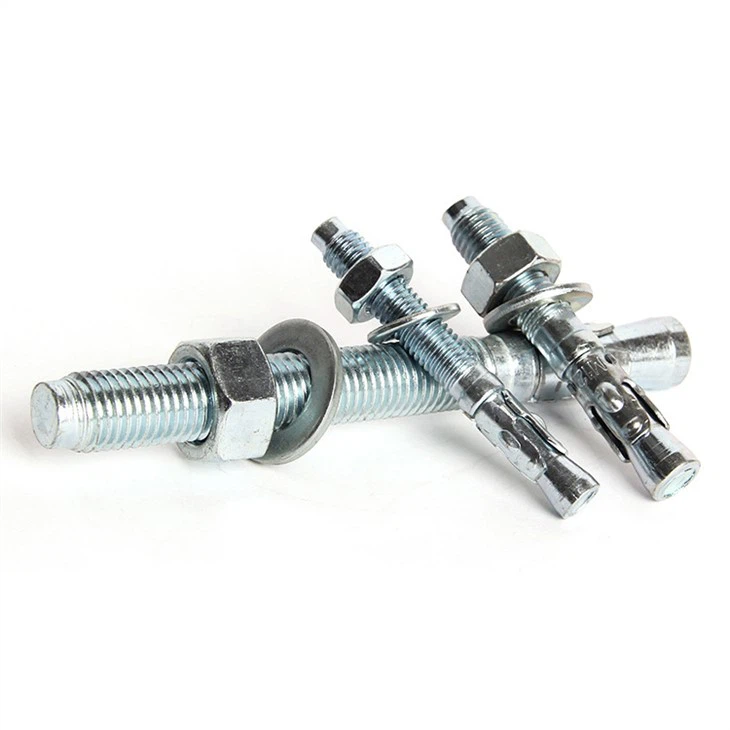
Screw Expansion Anchor Bolts GB /T 22795 (LG) SS/Stainless Steel
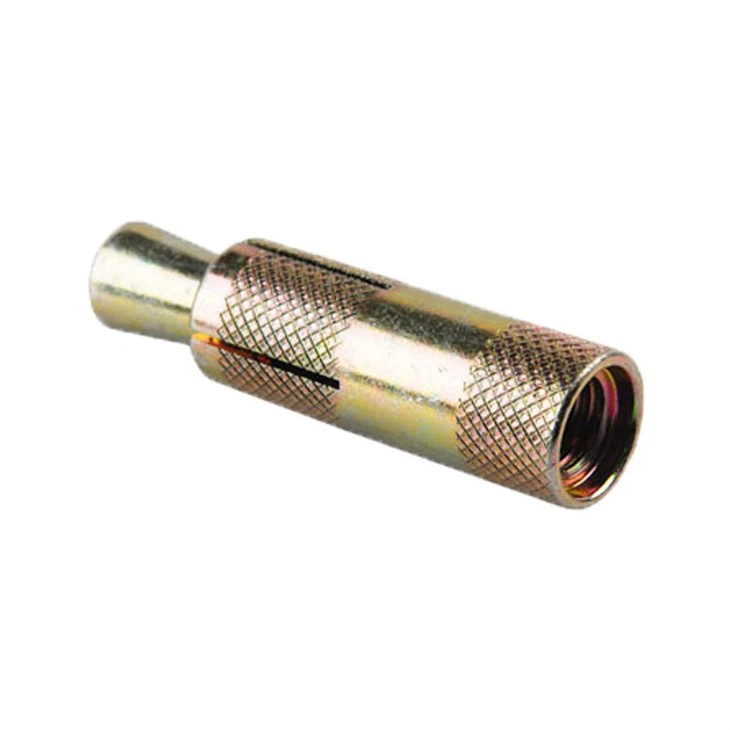
External Force Expansion Anchor Bolts GB /T 22795 (WP) Color Zinc/Colour Zinc
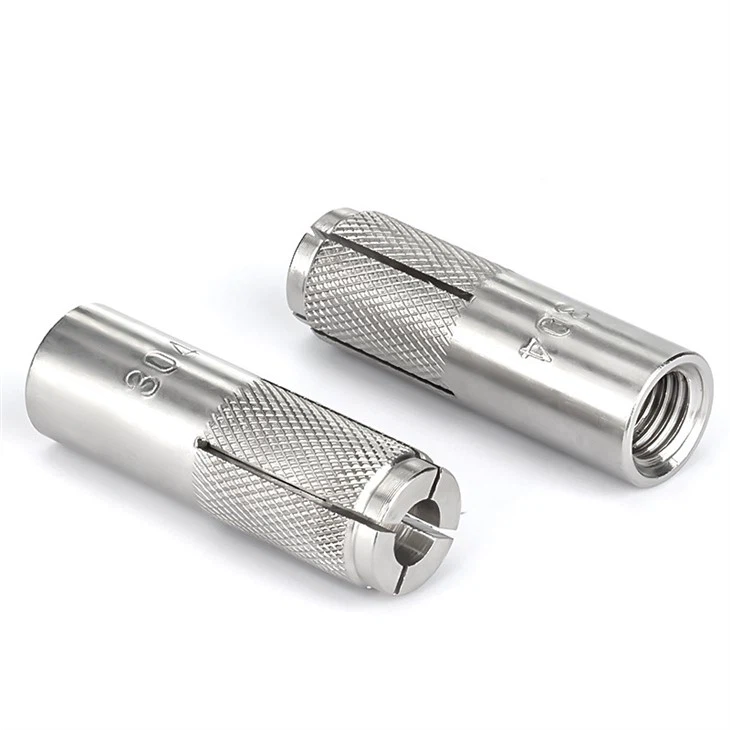
Drop In Expansion Anchor Bolts GB /T 22795 (NP) SS/Stainless Steel
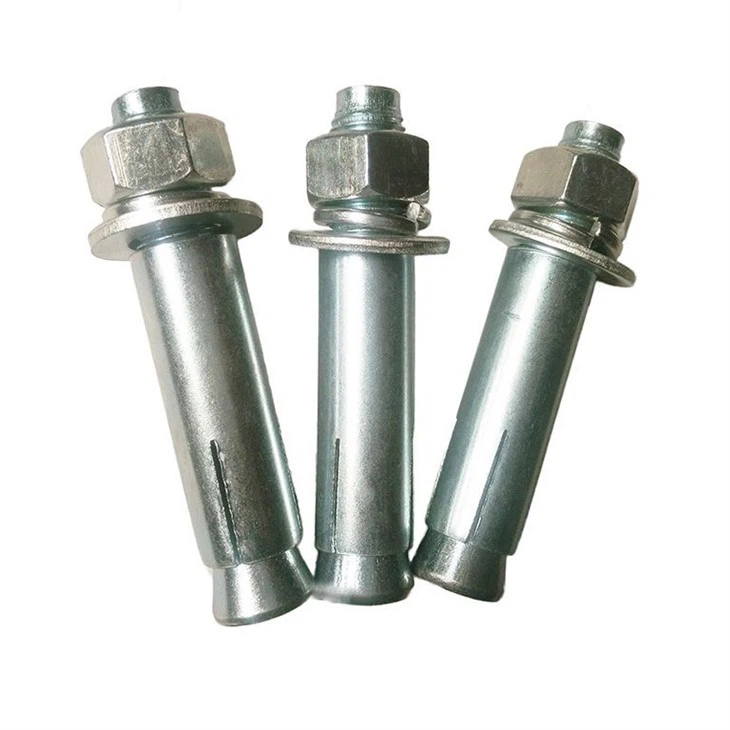
Sleeve Expansion Anchor Bolts GB /T 22795 (TG) SS/Stainless Steel
Anchor bolts are a crucial component in construction and engineering projects. They are used to secure heavy loads to concrete or other materials that offer a solid base. Anchor bolts anchor objects through the use of expansion forces and shear friction. These bolts are commonly used in structural applications such as building columns, bridges, and large-scale machinery.
Anchor bolts come in a variety of sizes, materials, and shapes. The most common materials include steel and stainless steel, with steel being the most common. The shape of the bolt is tailored to the specific application, with options including L-shaped, J-shaped, or U-shaped bolts. The thread patterns and dynamic forces the bolt will be subjected to will also affect the type of anchor bolt used.
When selecting anchor bolts, it is important to consider the intended load, the type of material they will be attached to, and the environment in which they will be used. Corrosion and weather resistance must also be taken into account, as well as the level of vibration or movement the anchor bolts will be subject to. Improper selection of anchor bolts can result in system failure and potentially catastrophic damage to the structure or equipment.
Installation of anchor bolts requires careful consideration, as well as adherence to building codes and industry standards. The size and configuration of the hole must match the bolt specifications in order to ensure proper grip and holding strength. It is also important to make sure that the bolt is properly torqued to the recommended specification based on the size and material of the bolt.
In summary, anchor bolts are a vastly important element in structural engineering projects. Careful attention to selection and installation is necessary to ensure a safe, reliable, and long-lasting end result. The right anchor bolt will provide the needed strength and support to keep a structure standing for many years to come.
How Bolts Work – Anatomy, Assembly, and Anti-Loosening Techniques
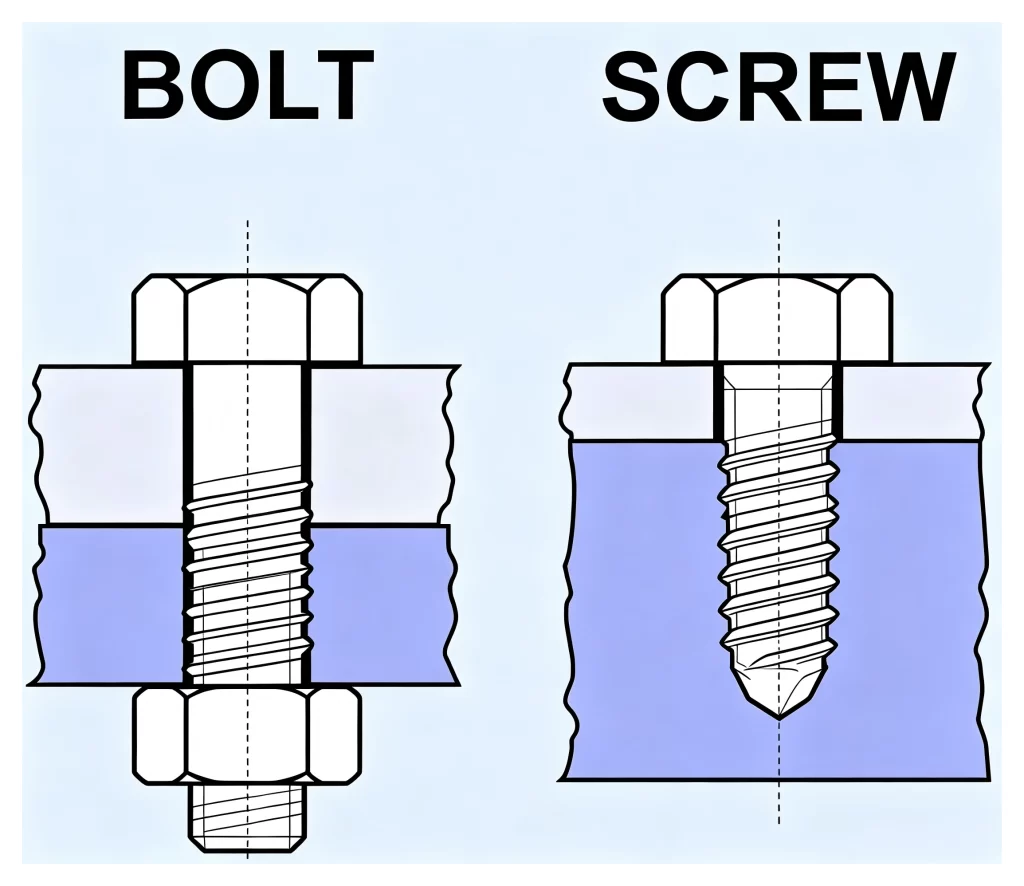
Bolts are tools used to fasten and secure the faces of assemblies. They are threaded and come with a matching nut. Their purpose is to connect aligned unthreaded holes by being placed through the aligned holes and secured with the bolt’s nut.
Since the terms “bolt” and “screw” were in use before the advent of easily-produced helix fasteners, they are often synonymous. However, several standards bodies have attempted to differentiate the terms, with many concluding that it is not the devices which are different, but how they are used. As provided by Machinery’s Handbook and ASME B18.2.1, bolts are externally threaded fasteners that are prevented from being turned during assembly, but are positioned or released by torqueing a nut. Screws are externally threaded fasteners that can be inserted into pretapped holes or can perforate a material and create their own internal threads. Screws are fastened by torque applied to the head. This definition is still somewhat ambiguous and is not all-encompassing, but does provide a basis to begin differentiation.
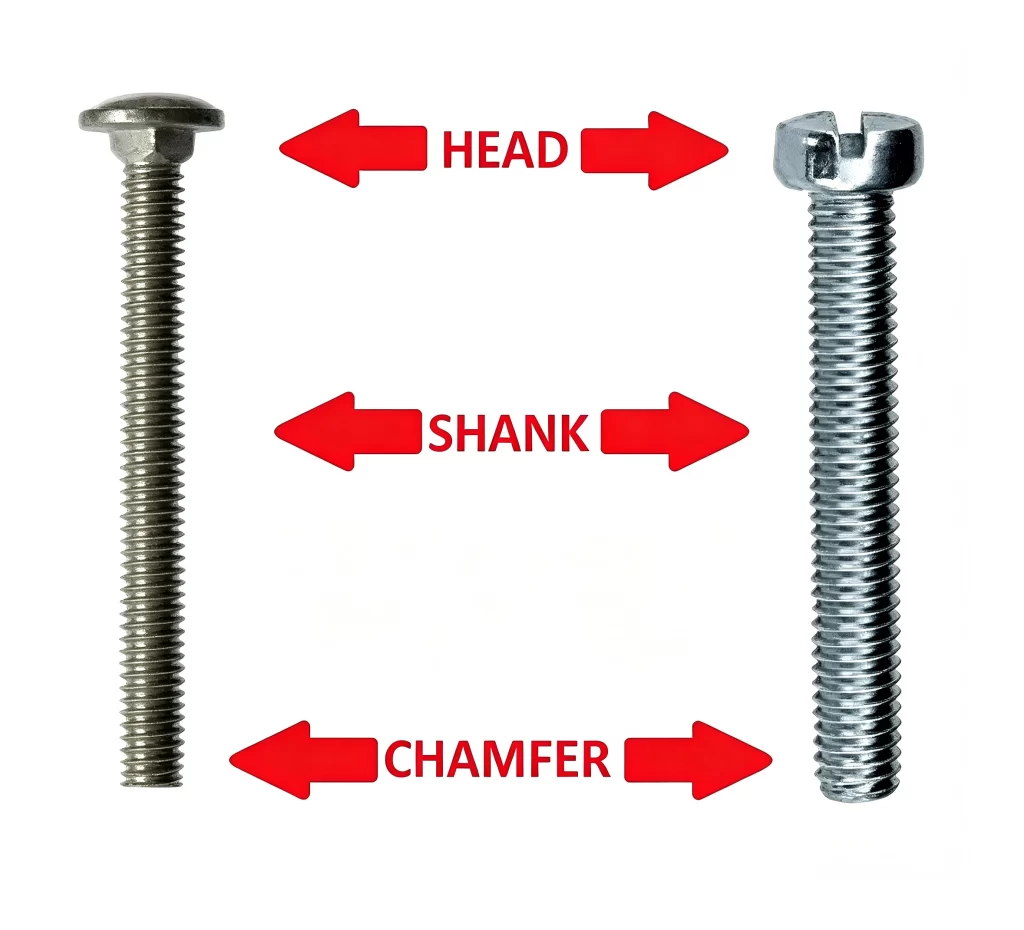
The components that form a bolt can be identified in three sections. The head is the part of the bolt with the largest diameter, which provides a mount for tools to either apply or resist torque. It also provides part of the bearing surface for substrates being bolted. The shank of the bolt is the longest part of the bolt and has external, helical threads on its circumference. This piece is responsible for the alignment of the workpieces. Finally, the end opposite of the head is known as the chamfer, which provides a slightly beveled edge to aid the bolt’s insertion into holes and nuts.
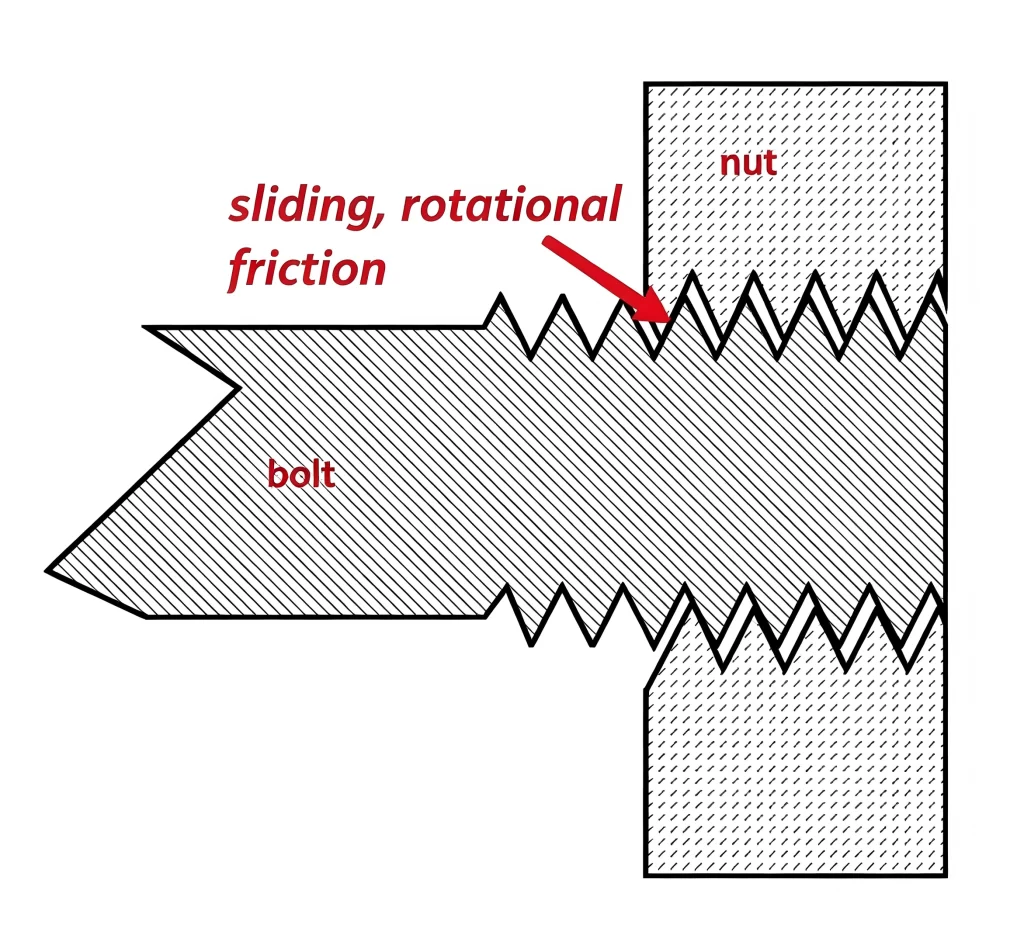
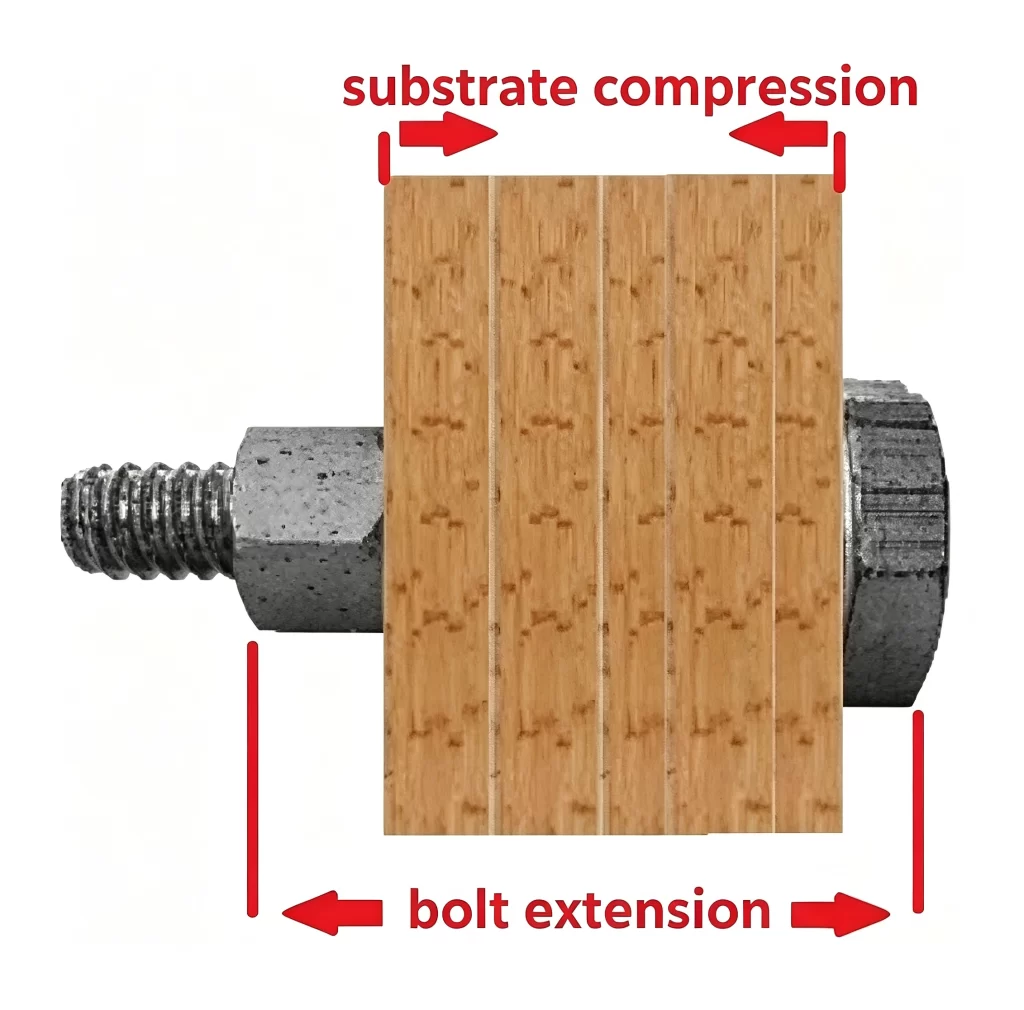
Successful bolt implementation almost always requires a nut to retain components on the bolt’s axis. Nuts are applied via torque while the bolt itself is held in place, or vice versa. Nut position and bolt employment are dependent upon the same physical principles: the friction of the bolt and nut threads against one another, which is comprised of a slight stretch of the bolt from the compression resistance of the components being fastened, and a slight elastic deformation of the parts held together.
Nuts may loosen with vibration or dynamic loads, in which case locknuts, lock washers, or thread locker can provide jostle-resistant or permanent nut placement.
Craftsmanship And Process Of Bolt
There are three overarching ways to manufacture bolts: cold forming, hot forging, and machining.
Cold forming is the process of forming a bolt without heating up the material. It’s accomplished by striking or pressing the material in a die to create desired dimensions.
Cold Forming Process (below M24 specifications)
Carbon Steel Raw Materials: Wire Drawing – Cold Heading – Thread Rolling – Heat Treatment (According To Grade Requirements) – Surface Treatment – Inspection – Packaging
Stainless Steel Raw Materials: Wire Drawing – Cold Heading – Tooth Rubbing – Cleaning And Passivation – Inspection – Packaging
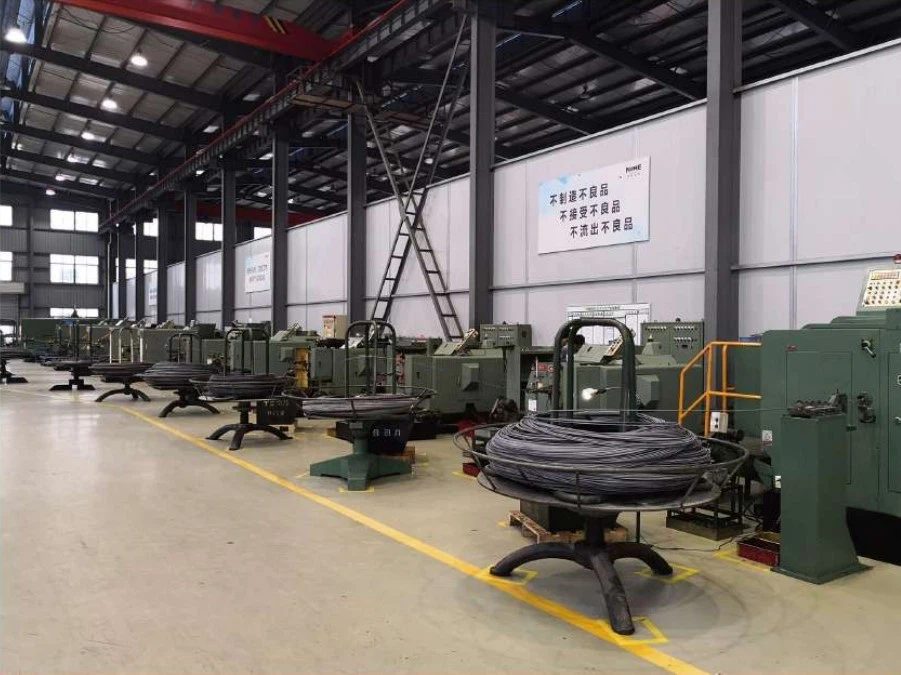
Hot forging is the process of heating up material to a point where it becomes malleable, then forming it in a die.
Hot Forging Process (M24 specifications and above)
Carbon Steel Raw Materials: Blanking – Hot Forming – Thread Rolling – Heat Treatment (According To Grade Requirements) – Surface Treatment – Inspection – Packaging
Stainless Steel Raw Materials: Blanking-Hot Forming-Grinding-Cleaning And Passivation-Inspection-Packaging
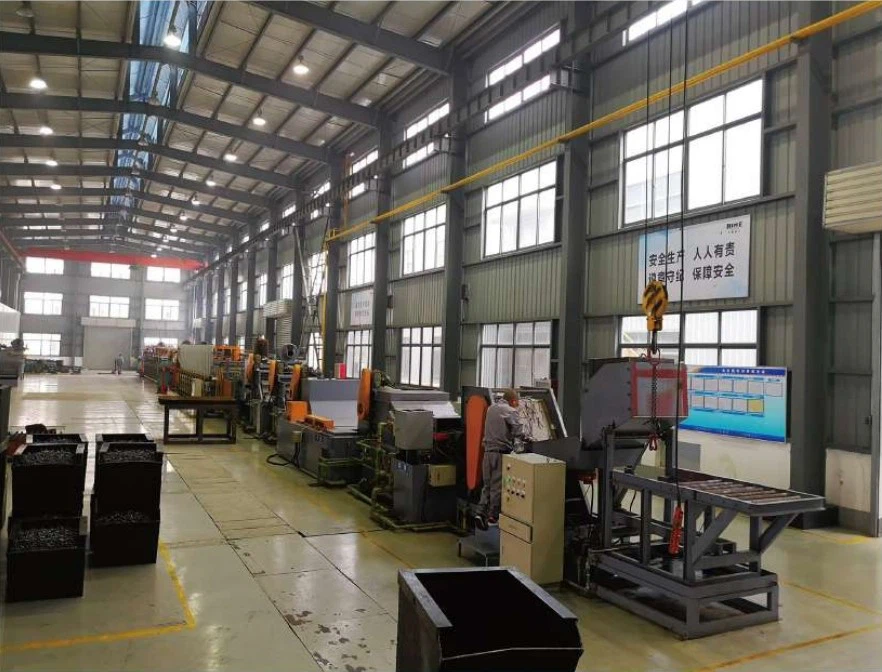
Machining is the process of using machinery to cut away material until it fits desired dimensions.
Each of these bolt manufacturing processes has its own pros and cons. We most commonly use cold forming and hot forming, as we believe it to result in the strongest and highest quality products. However, we also use machining when it makes sense to do so.
Bolt Dimensions
The dimensions of a bolt can be expressed in metric or imperial units.
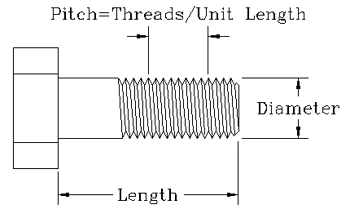
Pitch is the measurement between the apex of adjacent threads on the bolt’s shank.
Diameter is the width of the screw shank. This should not include the bolt head.
Length is the measurement of the bolt from the edge of the chamfer to the undercut of the head. Against this measurement should not include the head.
Customize Your Own Size
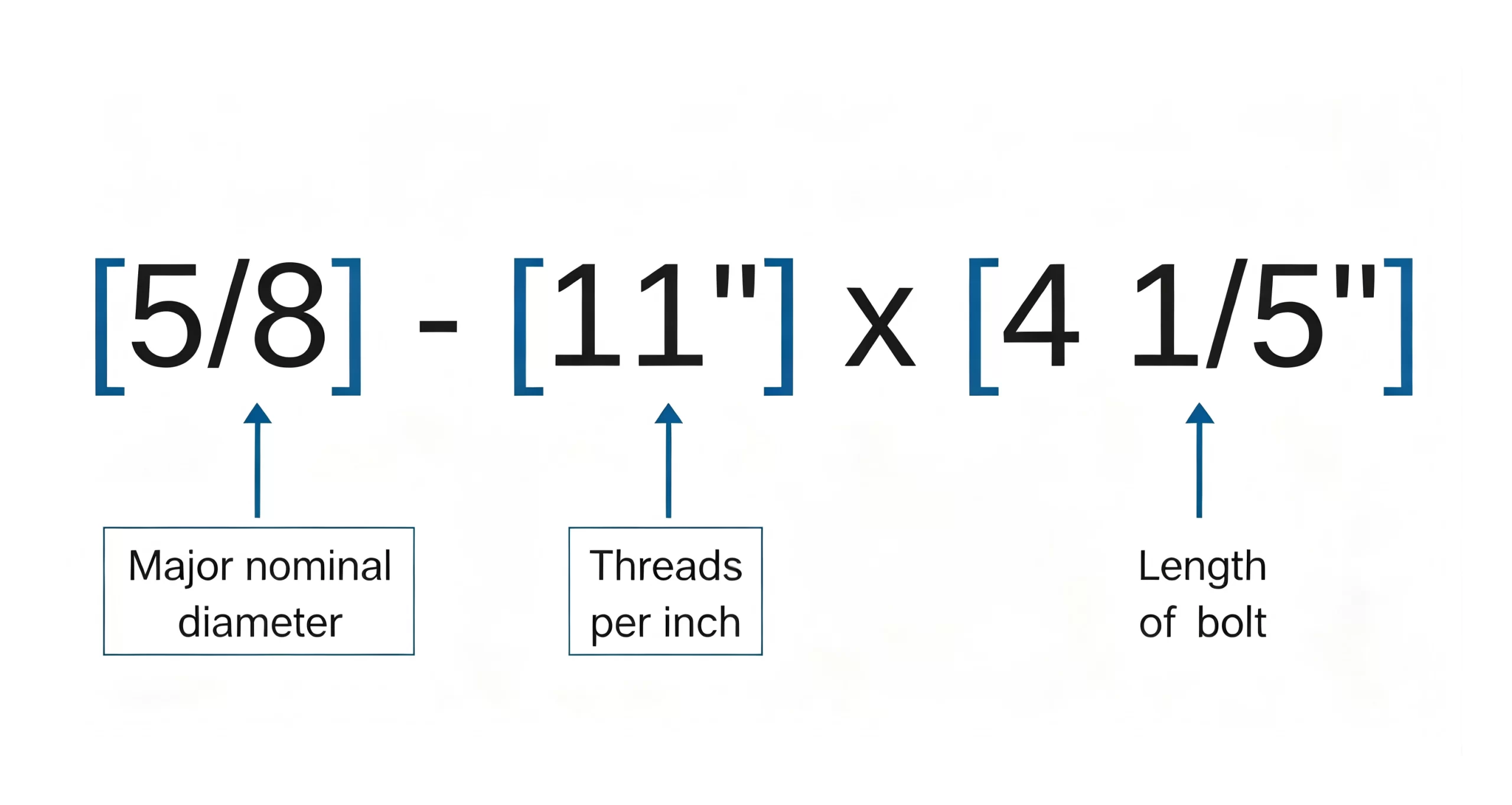
Inch Terminology
For inch parts, you might see something like 5/8-11” X 4-1/2”. In this example, the 5/8 refers to the nominal major diameter of the threads. This is the diameter of the threads as measured at the crests. The 11” refers to the number of complete threads in one inch of the threaded part of the bolt. The 4 ½” refers to the length of the bolt (as measured from under the head, or the widest part of the head).
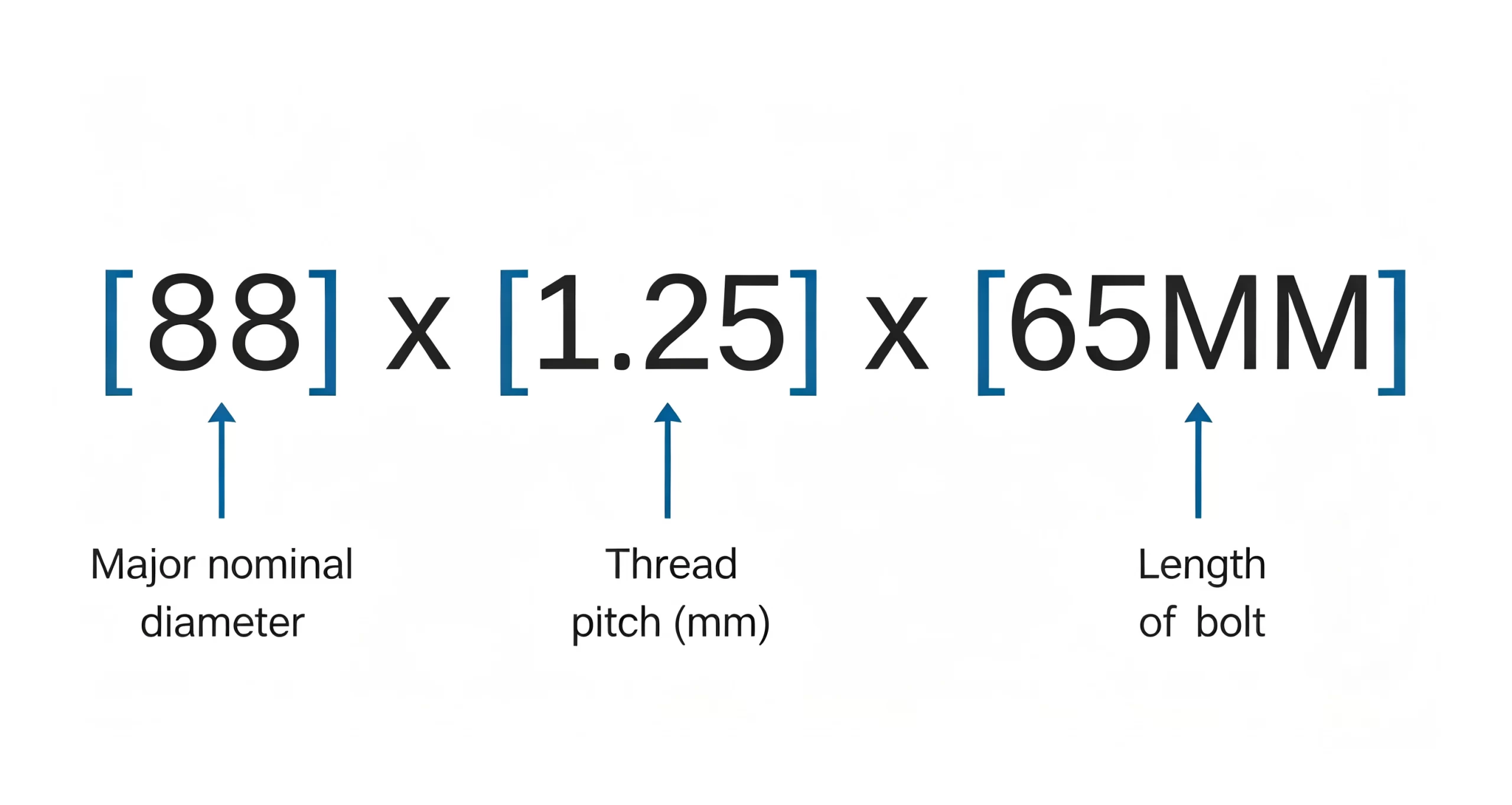
Metric Terminology
For metric parts, you might see something like M8 X 1.25 X 65MM. In this example, the M8 means that the major nominal diameter of the threads is eight millimeters. The 1.25 refers to the thread pitch, or the distance from one point on a thread to the same point on the next thread. This means the thread pitch is 1.25 millimeters. The 65MM refers to the length of the part (again, as measured from under the head)
Material Of Bolts
- Aluminum screws are light, resistant to oxidation, thermal and electrical conducive, and easy to manufacture.
- Brass screws are strong, conductive, and corrosion resistant, with low magnetic permeability.
- Copper alloy screws have good load capacity, wear resistance, and are suitable for use near magnets.
- Plastic screws are inexpensive and corrosion resistant for light loads. They are common for applications near water, such as pools.
- Steel screws are produced of strong, carbonated iron. Uncoated steel is vulnerable to corrosion.
- Hardened steel screws are stronger than steel screws, but more brittle. They are made of steel treated by tempering and quenching methods.
- Stainless steel screws are chemical and corrosion resistant with an appealing finish. They cannot be hardened like carbon steel.
- Screws consisting of superalloys exhibit good mechanical strength, surface stability, corrosion resistance, and resistant to creep at high temperatures. Common super alloys include Hastelloy®, Inconel®, Incoloy®, and Monel®.
- Titanium screws are hard and strong, light, and corrosion resistant. When alloyed with other metals, it increases strength and durability.
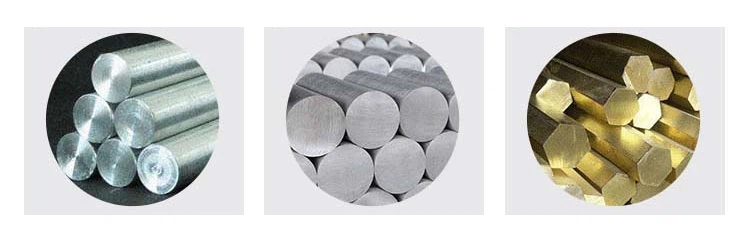
Raw Materials We Can Provided:Carbon Steel, Stainless Stee304/316,Alloy Steel, Brass,Nonferrous Metals, etc.
What Are The Standards For Bolts?
Standards We Can Provide:DIN,BS,ANSI/ASME/ASTM/,ISO,EN,GOST etc.
Standards
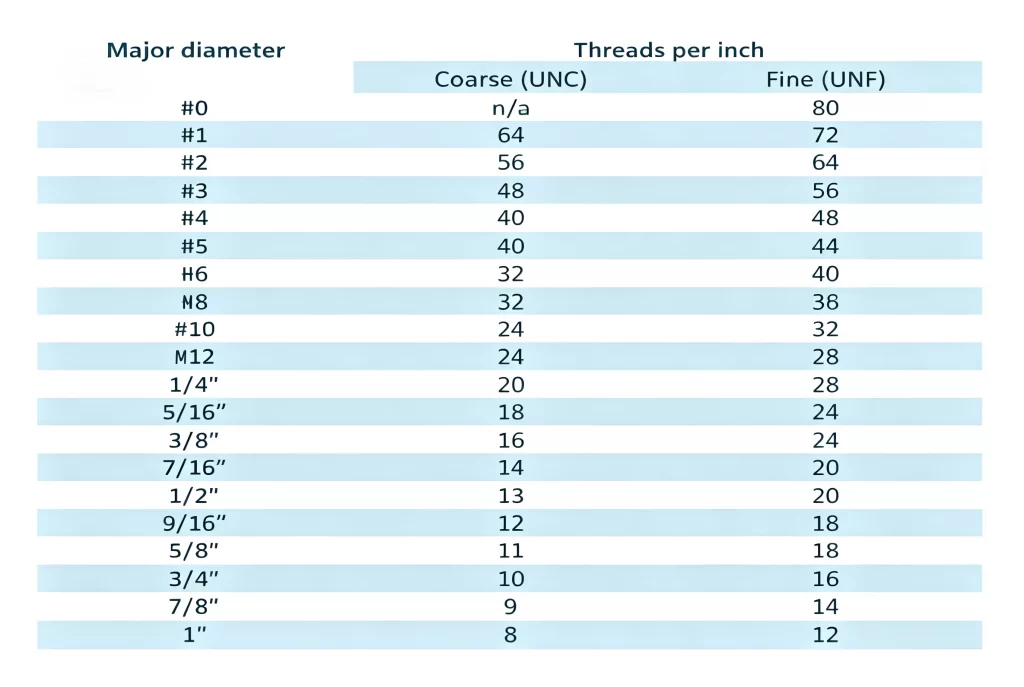
Manufacturers produce bolts in both imperial and metric units, and due to their explicit correspondence with nuts and pretapped holes, the units cannot be mixed. Furthermore, screws are produced with fine or coarse threads, which are a designation of the screw’s thread pitch–not the quality of the product. Coarse-thread bolts are less susceptible to galling, thread crossing, and seizing, while fine-thread bolts are less likely to loosen from jostling, and are more easily tapped and adjusted.
For imperial sizes, bolt producers will provide a designated number or fractional inch for the dimension of the screw. North American countries follow this system, called the Unified Thread Standard. Also included will be a “threads per inch” (TPI) count which will indicate a course or fine thread.
Standards
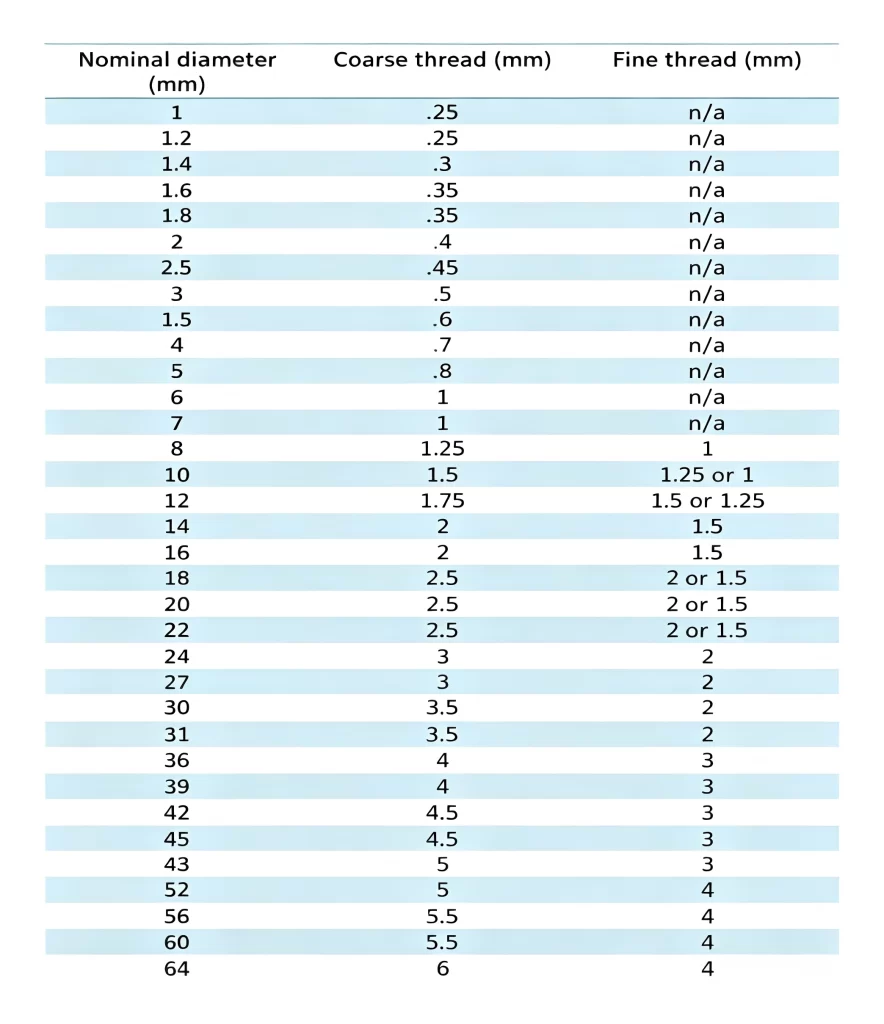
ISO, JIS, and DIN standards are based upon the metric system and are closely related (ISO guideline 261). Most hardware measured in metric units is subject to Society of Automotive Engineers (SAE) edict as well. These standards are common in the majority of the world, and speculation exists that this may become a global hardware standard. The threads on metric bolts can be available in both fine and course pitch configurations.
What Are The Grades Of Bolts?
Bolt grades are defined by their specific material, plus the strength of that material. They verify the amount of stress a particular bolt can withstand. In general, the higher the number or letter grade, the more stress the part can handle.
There are many governing bodies that create standards for bolt grading systems. SAE, ISO (metric), and ASTM are three examples we often use.
SAE stands for the Society of Automotive Engineers. SAE grades are some of the most frequently used for inch parts. One important SAE standard is SAE J429, which has bolt grades 2, 5, and 8.
ISO stands for the International Standards Organization. ISO standards are also referred to as metric standards, and their “grades” are called property classes. Common ISO property classes for bolts are ISO 898-1 Property Classes 8.8, 10.9, and 12.9.
ASTM stands for the American Society for Testing and Materials. ASTM has several popular standards for bolts (plus other fasteners), such as ASTM A307, ASTM A193, and ASTM A354.
Understanding bolt grades is essential when you’re deciding which part you need for a specific application. For example, you don’t want to use an SAE J429 Grade 2 bolt interchangeably with an ISO 898-1 Property Class 12.9 bolt, as they have very different strength capabilities.
Material | Metric class and marking | Imperial grade and marking | Metric/imperial proof load |
Low or medium carbon steel | (no class) | Grade 2
|
|
Medium carbon steel, quenched & tempered | Class 8.8
| Grade 5
| |
Medium carbon alloy steel, quenched & tempered | Class 10.9
| Grade 8
| |
Alloy steel, quenched and tempered | Class 12.9
| (no grade) | |
Stainless steel | A-2 (markings vary) | 18-8 (markings vary) |


Grades We Can Provide:4.8/6.8/8.8/10.9/12.9 etc.
What Are The Surface Treatments Of Bolts?
Finishes applied to the base metal of the bolt enhance the durability and corrosion resistance of the material.
- Black oxide finish does not enlarge the dimensions of the screw and is a processed black rust. It is mostly used for aesthetic purposes.
- Chrome coating is a bright, reflective finish that is decorative and very durable. It is applied via electropating.
- Zinc plated coatings act as a sacrificial anode, protecting the underlying metal. It is applied as a fine white dust.
- Other coatings like galvanization and phosphating are common for particular types of hardware, like screws meant for fence or window applications.
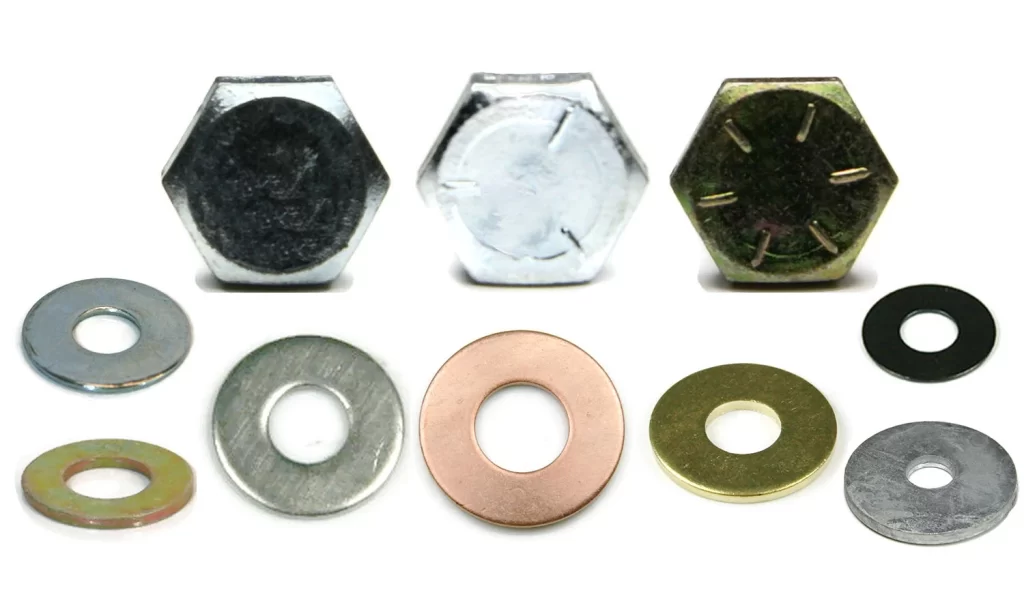
Surface Treatments We Can Provide:Plain,Zinc Plate,Colour Zinc Plate,HDG,Brass,Black,Dacromet,Teflon.etc.
Types of Bolts
Hex Bolt:Hex bolt is a type of fastener that features a hexagonal head and a threaded shaft. The term “hex” refers to the six-sided shape of the head, whereas “bolt” describes the object’s function of holding two or more objects together. Hex bolts are widely used in construction, automotive, and machinery industries, to name a few. They come in a variety of sizes and materials, ensuring that the appropriate bolt can be used for any application. These bolts can be tightened or loosened with a wrench or socket, making them easy to use. Overall, hex bolts are an essential component in many industries and applications worldwide.
Hex Flange Bolt:Hex flange bolts, also known as flange head bolts, are a type of fastener that feature a flange under the hexagonal head. This flange distributes the clamping force evenly, creating a stronger and more secure hold. Hex flange bolts are commonly used in automotive, construction, and machinery industries where a high degree of reliability and durability is necessary.One of the key benefits of hex flange bolts is their resistance to loosening due to vibrations. The flange acts as a lock washer, preventing the bolt from backing out. Additionally, the larger bearing surface of the flange distributes the load over a wider area, reducing the risk of joint failure.Another advantage of hex flange bolts is their ease of installation. The flange eliminates the need for separate washers, which can save time and money during assembly. The bolts are typically made from materials such as steel, stainless steel, or titanium, allowing for different levels of strength and corrosion resistance.
Carriage Bolt:A carriage bolt is a type of fastener used to secure two objects together. It has a smooth, dome-shaped head, and a square shank that keeps it from spinning in place while being tightened.Carriage bolts are commonly used in construction and woodworking projects, where a strong, secure hold is needed. They are also used in furniture and automotive manufacturing.One of the advantages of using carriage bolts is that they can be tightened without the need for a second tool or wrench. This makes them easier to use in tight spaces and saves time in the installation process.Overall, carriage bolts are a reliable and versatile fastening option that can be used in a wide range of applications. Whether you are building a new piece of furniture or repairing a mechanical system, a carriage bolt may be just what you need to get the job done right.
Square Bolt:A square bolt is a type of fastener used to secure two or more objects together. Unlike a hex bolt or a round bolt, a square bolt has four equally spaced sides, making it more resistant to rotation and less likely to slip when tightened. This makes it ideal for use in heavy-duty applications where stability and strength are crucial. Square bolts are commonly used in construction and engineering projects, as well as in the manufacturing of industrial machinery. With their unique design and durability, square bolts have become a popular choice for those looking for a reliable and long-lasting fastener solution.
Eye Bolt:Eye bolts are essential hardware components used in various applications. They are commonly used to secure heavy loads, attach ropes, and hang objects. These bolts have a threaded shank and a closed loop at their ends.They come in different sizes and materials, such as stainless steel, galvanized steel, and carbon steel. Eye bolts can be used in various environments, from marine to industrial applications. However, it is essential to choose the right type of eye bolt for a specific application to ensure maximum safety and reliability.When installing an eye bolt, it is crucial to ensure that it is torqued to the appropriate level. Over-tightening the bolt can cause it to break, while under-tightening it can cause it to slip and fail. It is also important to inspect the bolt regularly to check for signs of wear or damage.In conclusion, eye bolts are versatile hardware components that are vital in many applications. Proper installation and maintenance are crucial to ensure their reliability and safety.
T-Bolt:T-Bolt is a type of fastener that is commonly used in heavy-duty applications. It is named after its T-shaped head and the bolt thread that is designed to fit into a T-slot. This type of bolt is often used in machinery, manufacturing, and construction industries as it provides a secure and durable connection.The T-Bolt is typically made from high-strength materials such as stainless steel, carbon steel, and alloy steel to withstand high stress and tension. Its unique design allows for easy installation and removal, making it a popular choice for applications that require frequent disassembly.One of the key advantages of the T-Bolt is its ability to maintain its torque and clamping force, even under extreme conditions such as high temperatures and vibrations. This makes it perfect for applications where tight and secure connections are critical.Overall, the T-Bolt is an essential component in many industries due to its durability, strength, and ease of use. Its reliable performance has made it a trusted fastener choice for a wide range of heavy-duty applications.
U-Bolt:U-bolts are a type of fastener that have a “U” shape and are commonly used for attaching pipes, cables, or other items to a surface. The two legs of the U-bolt are threaded, allowing nuts to be screwed onto the ends for secure fastening.U-bolts are often made of steel and come in various sizes and finishes to accommodate different applications and environments. They are used in a variety of industries, including automotive, construction, and marine.When selecting a U-bolt, it is important to consider factors such as the size and weight of the object being fastened and the environment in which it will be used. Many U-bolt manufacturers offer custom options to ensure a precise fit and optimal performance.Overall, U-bolts are a reliable and versatile fastening solution that are widely used across many industries.
Anchor Bolt:Anchor bolts are an essential component of modern construction projects. These bolts, also known as concrete anchor bolts, are used to secure structures to concrete foundations. They are typically made of steel and are available in a variety of sizes and shapes.One of the key advantages of anchor bolts is their ability to provide a strong, durable connection between the structure and the foundation. This is crucial in ensuring the safety and stability of the building, as well as preventing damage from external factors such as earthquakes or other natural disasters.In addition to their strength, anchor bolts are also designed to provide precise positioning and alignment of the structure. This is important in ensuring that the building is level and plumb, which is critical for both aesthetics and functionality.Overall, anchor bolts are a critical component of any construction project and should be carefully selected and installed to ensure the safety and longevity of the structure.
Wheel Bolt:When it comes to the safety of your vehicle, every component and part plays a crucial role. One such component that often goes unnoticed is the wheel bolt. As the name suggests, it is the bolt that holds your wheels in place and stops them from falling off while driving. A faulty or worn-out wheel bolt can have disastrous consequences, which is why it’s important to pay attention to this small but vital component.Wheel bolts are usually made of high-strength steel and are designed to withstand great forces. They come in various sizes and shapes, depending on the make and model of your vehicle. It’s important to use the correct size and type of wheel bolt for your vehicle to ensure maximum safety and performance.Regular inspection and maintenance of the wheel bolts are crucial to avoid any accidents or mishaps. If you notice any signs of wear or damage, it’s essential to replace them immediately with high-quality, genuine parts. Don’t compromise on safety when it comes to your vehicle’s wheel bolts. A little care and maintenance can go a long way in ensuring your safety on the road.
Automobile Bolt:An automobile bolt is an essential component that ensures the safety and security of your vehicle. These bolts are used to fasten various parts of your car, including the engine, wheels, and body. It is crucial to use high-quality bolts made of durable materials to ensure that they can withstand wear and tear, vibrations, and pressure.The correct bolt size and type are also important to ensure a proper fit and reduce the risk of any unwanted accidents on the road. It’s crucial to use the right size and strength bolt for each component to ensure that it functions correctly and is held securely in place.Regular inspection and replacement of automobile bolts are necessary for safe and efficient vehicle performance. Any loose or damaged bolts should be replaced immediately, as they can cause the part to detach and lead to dangerous situations such as loss of control, steering issues, and even accidents.In conclusion, an automobile bolt may seem like a small component, but it is critical to the function and safety of your vehicle. So, it’s essential to invest in high-quality bolts, ensure the correct sizes and types are used, and regularly inspect and replace them to maintain the optimal functionality of your car.
Application Of Bolts
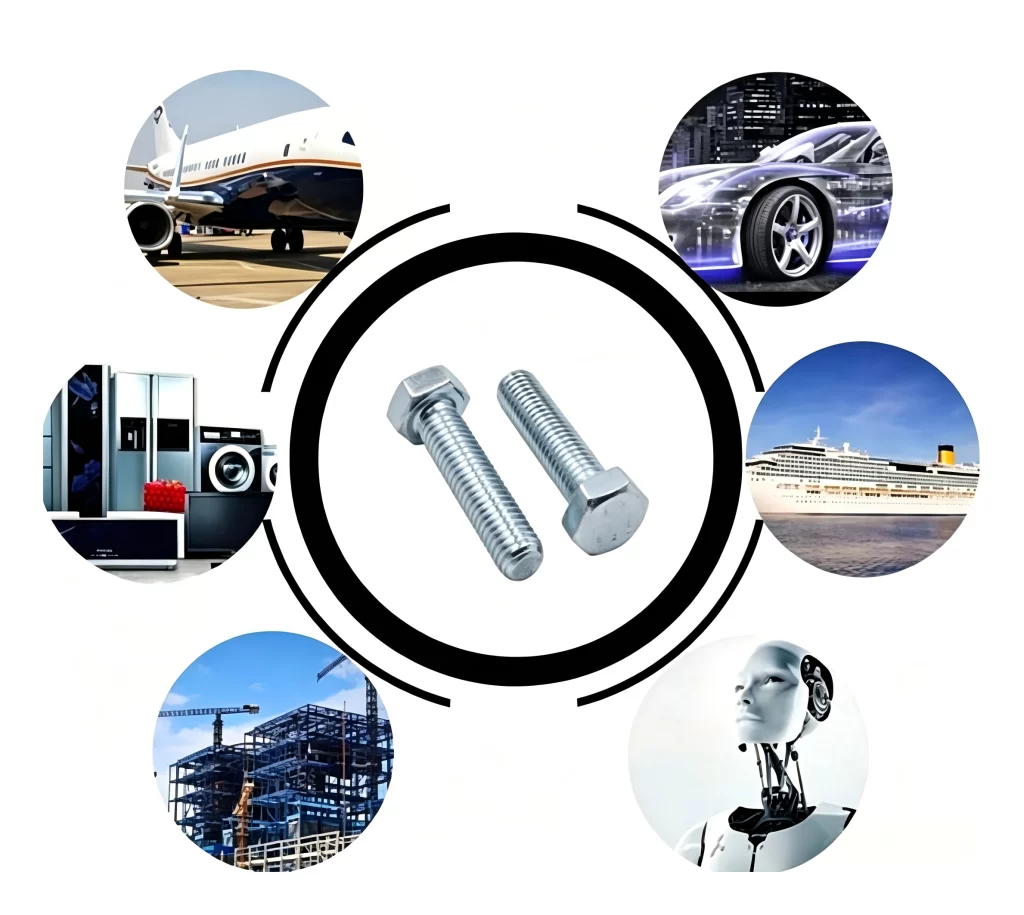
Bolts are a key component in many construction and manufacturing projects, and are used in a wide variety of applications. They have been used for centuries to secure components together, and are still the go-to solution for many industries today. Here are some of the most common uses for bolts:
No matter the application, bolts provide a secure and reliable solution for connecting components together. They come in many sizes, styles, and materials to suit any need, and are incredibly versatile for all types of projects. Whether you’re working on something small and simple or large and complex, bolts can be the answer you’re looking for. In engineering, they are often used to attach parts to each other. For example, when building a bridge, bolts may be used to hold steel beams in place so they don’t move when exposed to high winds or strong vibrations. In the automotive industry, they are used to fasten nuts and bolts together. This helps ensure that parts stay firmly in place even under extreme forces. When it comes to furniture, bolts are often used in bed frames, chairs, tables, cabinets and other household items to keep them from moving apart due to normal wear and tear over time.
What Are The Advantages Of Our Bolts?
Waterproof And Rustproof.
Acid And Corrosion Resistant.
High Strength,Cost-Effective.
Complete Specifications,Clear Threads.
Precautions For Using Bolts
Choose the Appropriate Material
Choose the appropriate material according to the specific use environment and requirements, such as carbon steel, stainless steel, alloy steel, etc. Different materials have different strengths and corrosion resistance, and the selection should be based on the actual situation.
Correctly Select the Size
Select the appropriate bolt according to the load to be endured and the size of the connection. Oversizing or undersizing will have a negative impact on the stability of the connection.
Correct Installation
During the installation process, pay attention to using the correct tools and correct installation methods. Eg,Hex bolts usually need to be tightened with a wrench. The force should be even and not too tight or too loose. Also, use the correct washers and nuts to ensure the connection is tight and secure.
Avoid Over-Tightening
Eg,Be careful when using hex bolts. Over-tightening may cause the bolts to break or the connections to be damaged. You can use a suitable torque wrench to control the force and ensure that the tightening force is within a reasonable range.
Prevent Wear and Corrosion
During use, pay attention to avoid wear and corrosion on the bolt surface. In humid environments, use corrosion-resistant bolt materials or perform surface anti-corrosion treatments. At the same time, store and use it correctly to avoid contact with corrosive chemicals.
Regular Inspection
Regularly check the tightening of bolt connections to ensure there is no looseness. Especially connections under high load and vibration environments should be checked frequently.
Maintenance Of Bolts
Regular Inspection
Regularly check whether there is obvious corrosion, wear or deformation on the surface of the bolt. Problematic bolts should be replaced in time.
Cleaning and Maintenance
Bolts will accumulate dust, oil, etc. during use, so they must be cleaned and maintained regularly. The bolts can be cleaned with a cleaner and a brush, then wiped dry with a clean cloth.
Anti-Rust Treatment
Bolts exposed to moisture can be treated with anti-rust treatment. Special coating materials or bolt rust inhibitors can be used to effectively prevent corrosion.
4. Lubrication and maintenance: During the bolt torsion process, an appropriate amount of lubricating oil or grease can be added. Lubricants can reduce friction between bolts and base metal, extending service life.
Lubrication and Maintenance
During the bolt torsion process, an appropriate amount of lubricating oil or grease can be added. Lubricants can reduce friction between bolts and base metal, extending service life.
Pay Attention to Storage
Bolts that are not used for a long time should be stored carefully. It should be stored in a moisture-proof and rust-proof environment to avoid direct contact with moisture.
Timely Replacement
When the bolts are obviously damaged or have reached their service life, they should be replaced in time. Damaged bolts cannot be used for a long time, otherwise it will put the safety of the connection at risk.
About Bolt Packaging And Transportation
Packaging Materials
Choose materials with good moisture-proof, shock-proof, anti-corrosion and sealing properties, generally choose cartons, wooden boxes, plastic packaging and other materials.
Packaging Specifications
In compliance with relevant national standards and regulations, packaging specifications should be reasonably designed based on the size, weight, material, quantity, etc. of the product to avoid collisions and extrusions during transportation.
Packaging Form
There are two forms of single product packaging and batch packaging. Single product packaging is generally suitable for small batches of products, and batch packaging is suitable for large quantities of products.
Logo
Mark the product name, quantity, specifications, moisture-proof grade, shelf life and other information on the packaging.
Save
Avoid contact with toxic and flammable substances. The storage environment should be kept dry, ventilated, and clean. The storage location should be set up reasonably to avoid damage and contamination.
Transportation Method
It can be carried out through various modes of transportation such as road, railway, aviation, and sea transportation, among which road and sea transportation are the most common. We are close to Shanghai Port and Ningbo Port, most customers choose Shanghai Port. We pursue smooth transportation, avoid bumps and collisions, and do our best to ensure that products are delivered to customers in good condition and on time.
Temperature and Humidity Adjustment
Try to maintain a suitable temperature and humidity environment to avoid being affected by excessively high or low temperature and humidity, which may affect the quality and life of the product.
Safety Guarantee
Take necessary safety protection measures during transportation to avoid dangerous situations such as fires, explosions, accidents, etc., and ensure that they are not damaged or lost during transportation.
Insurance Requirements
In order to ensure transportation safety and improve transportation insurance coverage, you can purchase cargo transportation insurance when purchasing our high-value fastener products to avoid accidental loss or damage.
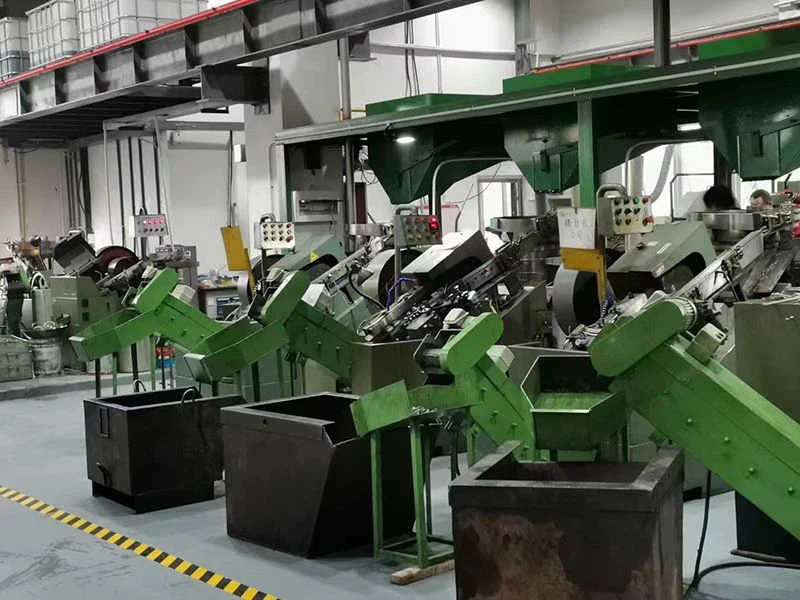
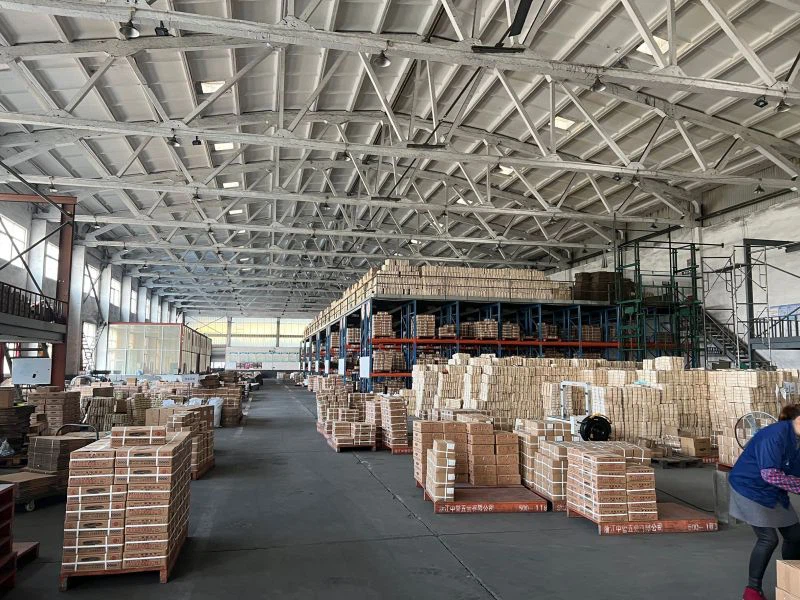
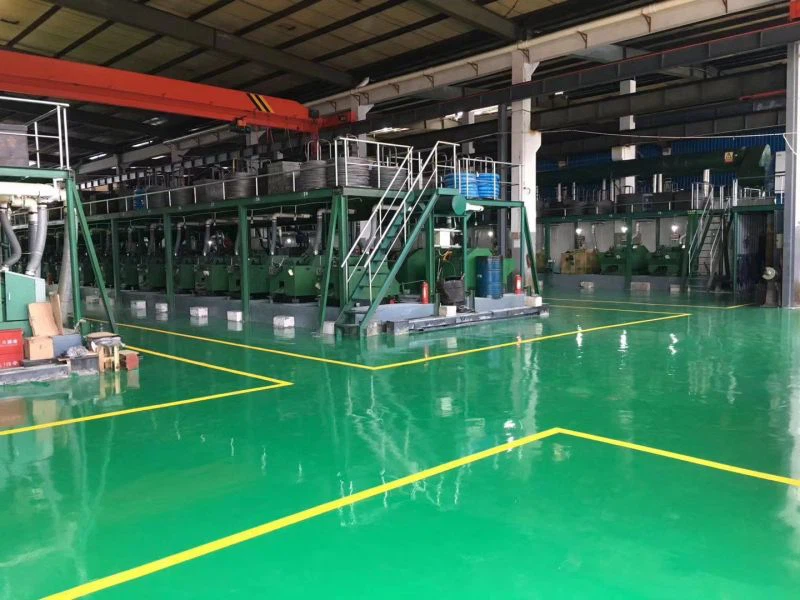
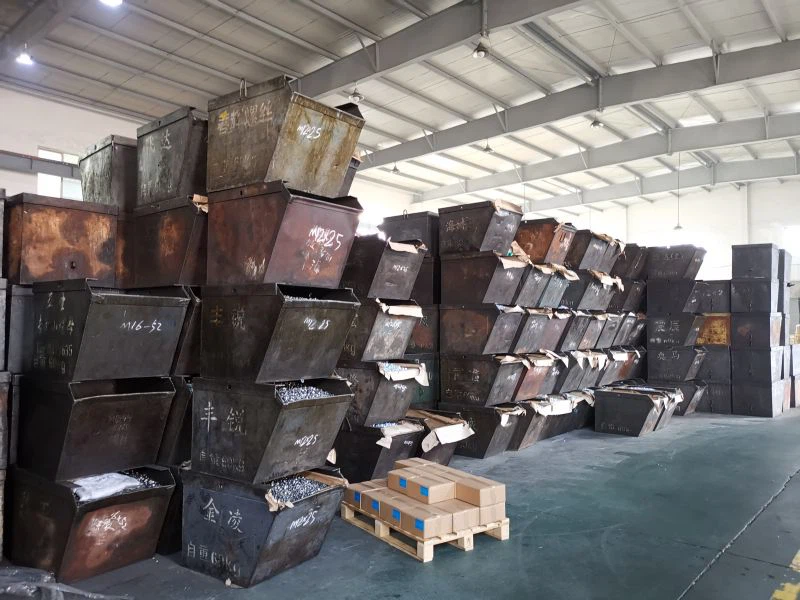
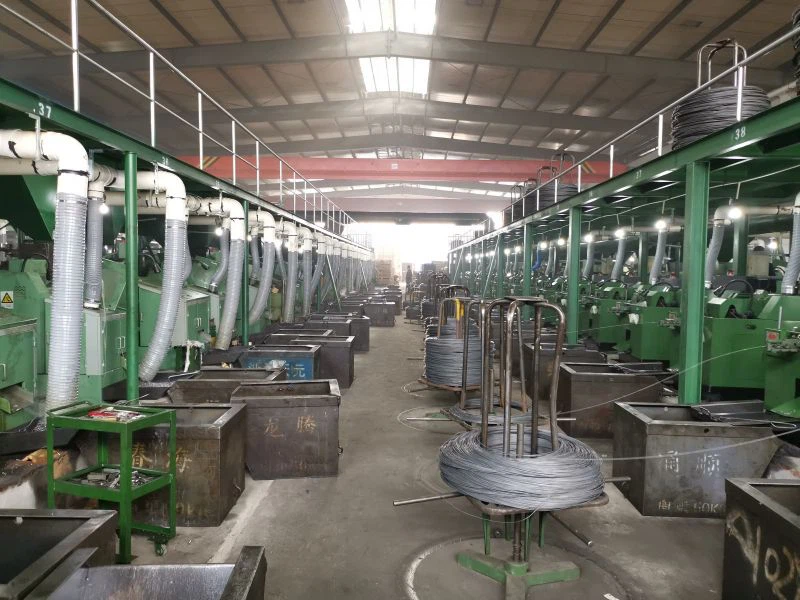
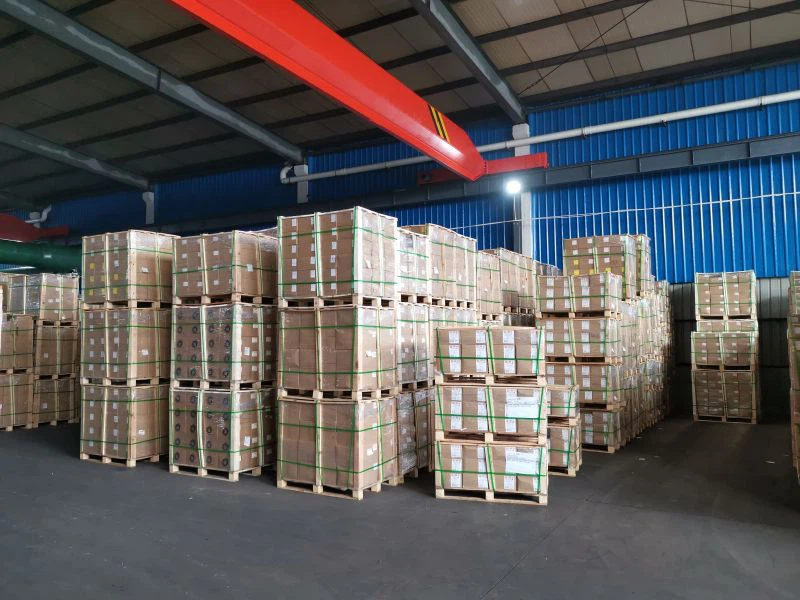
Our Bolt Factory
MYWAY Services
MYWAY strictly complies with the requirements of the ISO9001 quality certification system, strictly controls quality, implements it at every level, and assigns responsibilities to everyone to ensure the healthy operation of the comprehensive system of design, production, sales, and after-sales service. In order to strengthen communication with users, better provide users with high-quality products, and better serve users with the brand, we have made the following commitments:
1. Products are designed and manufactured in strict accordance with standards. We produce non-standard products according to the drawings provided by customers.
2. Pre-sales service
Serving customers: product introduction, answers to technical questions, and engineering-assisted design.
3. Sales service
1). The products are based on the needs of user orders, with quality and delivery time as the premise.
2). During the use of the product, our company regularly organizes technical and quality inspection service personnel to visit and solicit feedback from users on the quality, usage status, improvement opinions and other aspects of the product, so as to further improve product quality.
4. After-sales service
1). If users have any problems or information when using our products, please report them back to the company in a timely manner so that the company can properly handle and improve them so that our products can better meet your requirements.
2). If the product does not work properly or is damaged due to quality problems during the warranty period, our company will be responsible for free repair or replacement. If the product is damaged or does not work properly due to improper use by the user, our company can provide repair services. If users need it, our company can provide users with free pre-sales and after-sales technical consultation.
.After-sales service. Users are required to fill in the product service and quality feedback information form and make appraisal opinions in order to improve the quality of MYWAY products and services.
FAQ
Q: Do bolts have different threads?
A:Bolts with coarse threads have a larger pitch (fewer threads per axial distance) compared to fine threads. A coarse threaded bolt is specified for most applications unless there is an overriding reason to use a fine threaded bolt (e.g. thorough thread adjustment is crucial for the application).
Q: What is difference between screw & bolt?
A: A bolt is meant to be used with a nut, and it is tightened by torquing the nut. A screw is designed to be used in either a preformed or threaded hole, or it is capable of forming its own threaded hole. A screw is designed to be tightened by torquing the head.
Q: Are bolts stronger than screws?
A: Yes, bolts provide greater holding strength than screws. This is partly due to the presence of the washer, which spreads out the load over a larger surface area. Because bolts offer increased strength, they work well for heavy-duty, load-bearing applications.
Q: Does every bolt need a nut?
A: Sometimes two bolts are used to prevent a beam from swiveling. Tap Bolt: This kind of bolt is completely threaded. It is used in a threaded or tapped hole and does not need a nut. A bolt is a type of fastener that often needs a nut that is tightened on the end and helps fasten several materials together.
Q: Why use screws instead of bolts?
A: Uses Screws and bolts are both used to fasten objects together, but bolts are for more heavy-duty projects. While bolts are the better choice for construction, building, or anchoring items, screws are best for home repairs, hanging objects, and DIY builds.
Q: What is the weakest part of a bolt?
A: The weakest part of any fastener is the deepest region of its threads (the root), and although the thread diameters in each case are the same the cold formed root diameter of a rolled thread may increase in strength.
Q: Are stainless steel bolts weaker than steel?
A: In fact, due to their low carbon content, many stainless steel alloys cannot be hardened through heat treatment. Therefore, when compared to regular steel, the stainless alloys used in bolts are slightly stronger than an un-hardened (grade 2) steel but significantly weaker than hardened steel fasteners.
Q: Can bolts be too long?
A: If the bolt is too long, its point may come into contact with the anchor’s expansion cone before the head of the bolt reaches the material to be fastened.
Q: Why are bolts so strong?
A: When a bolt is tightened the shank sustains a direct stress, due to the elongation strain, together with a torsional stress, due to the torque acting on the threads.
Q: Why are bolts better than rivets?
A: Bolts have largely replaced rivets due to their lower installation cost, ease of installation and maintenance. The two types of bolts commonly used in steel construction include high strength structural steel, and A307 bolts (common bolts).
Q: Do bolts weaken over time?
A: Nuts and bolts can loosen over time even if they are only subjected to translatory forces due to several factors: Vibration: Translatory forces can result in vibration in mechanical systems, especially in equipment or machinery that operates at high speeds or experiences frequent changes in direction or load.
Q: Do bolts need threaded holes?
A: Because metal is a stronger material, the screws thread cannot cut into it, so they must be inserted into a tapped or threaded hole. They both give extra grip to ensure that the screw stays in place. Both processes are used for a bolt, screw, or nut.
Q: Do bolts need washers?
A: Washers are used to distribute the load of a threaded fastener, such as a bolt or nut. Before a screw or bolt is driven into a surface, a washer may be placed in order to prevent looseness and provide protection. This also prevents the bolt head and nut from damaging the surfaces of the two fastened parts.
Q: Why does bolt have rubber?
A: Rubber spacers for bolts are especially useful for securing fasteners in high-vibration applications because the rubber will absorb the vibration to keep the fastener from loosening unexpectedly.
We’re professional bolt manufacturers and suppliers in China, specialized in providing high quality customized products with low price. We warmly welcome you to wholesale or buy discount bolt in stock here from our factory. Contact us for free sample.